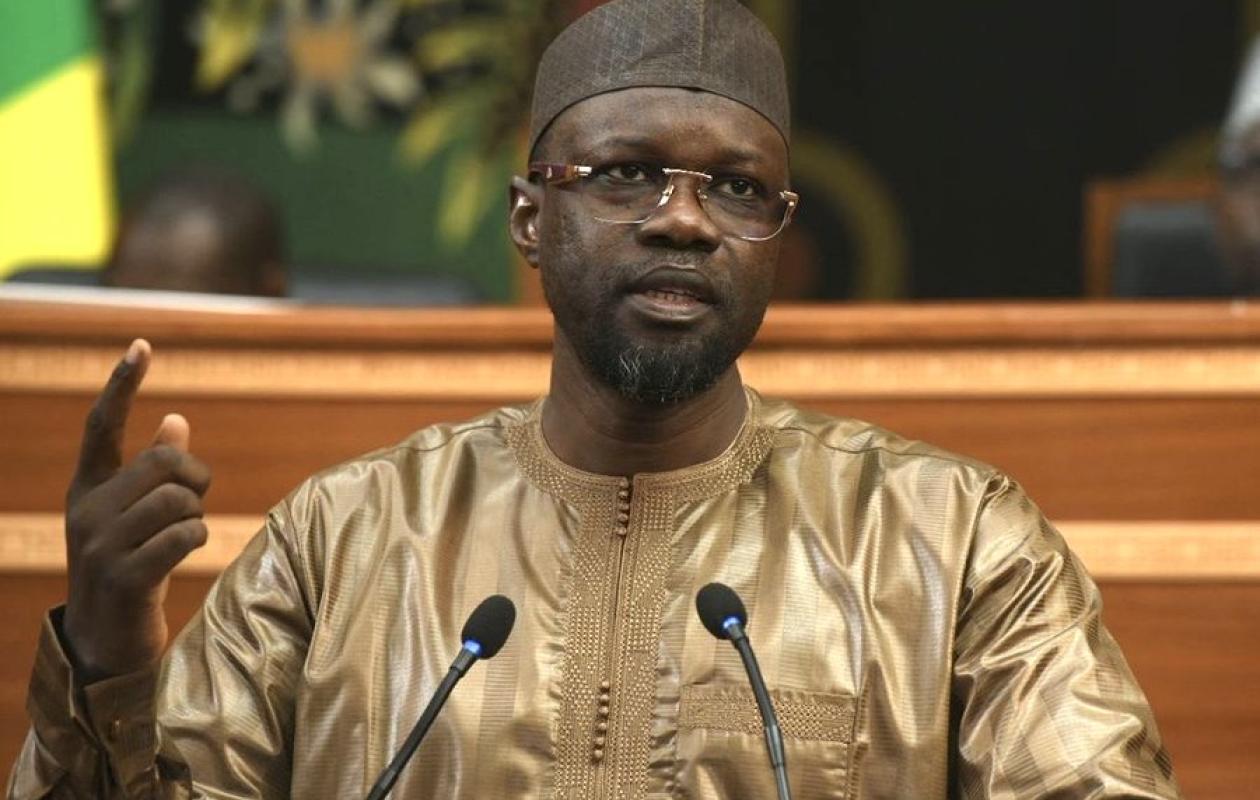
Senegal’s Political Landscape Shifts as President Removes Prime Minister Ousmane Sonko
Senegal entered uncharted political territory on May 22, 2026, following President Bassirou Diomaye Faye’s decision to terminate the mandate of Prime Minister Ousmane Sonko. The move, which concluded a day of escalating tensions between the country’s top executive leaders, marked a sudden and decisive break from established governance norms.
Hours before the dismissal, Ousmane Sonko found himself at the center of a rapidly deteriorating relationship with the Head of State. Sources within government circles reported that the rift had reached a critical point, prompting the President to act swiftly to restore institutional stability. The exact reasons behind the breakdown remain undisclosed, though speculation suggests deep disagreements over policy direction and leadership style.
The announcement sent shockwaves through the political sphere, with analysts closely monitoring potential fallout. Opposition figures have wasted no time in framing the decision as a power play, while supporters of the dismissed Prime Minister accuse the administration of overreach. The move also raises questions about the future cohesion of the ruling coalition and the government’s ability to navigate Senegal’s complex socio-economic challenges.
As the nation grapples with this unexpected turn of events, all eyes are on President Faye as he seeks to consolidate authority amid growing uncertainty. The political vacuum left by Sonko’s departure could reshape alliances and redefine the priorities of the executive branch in the coming weeks.