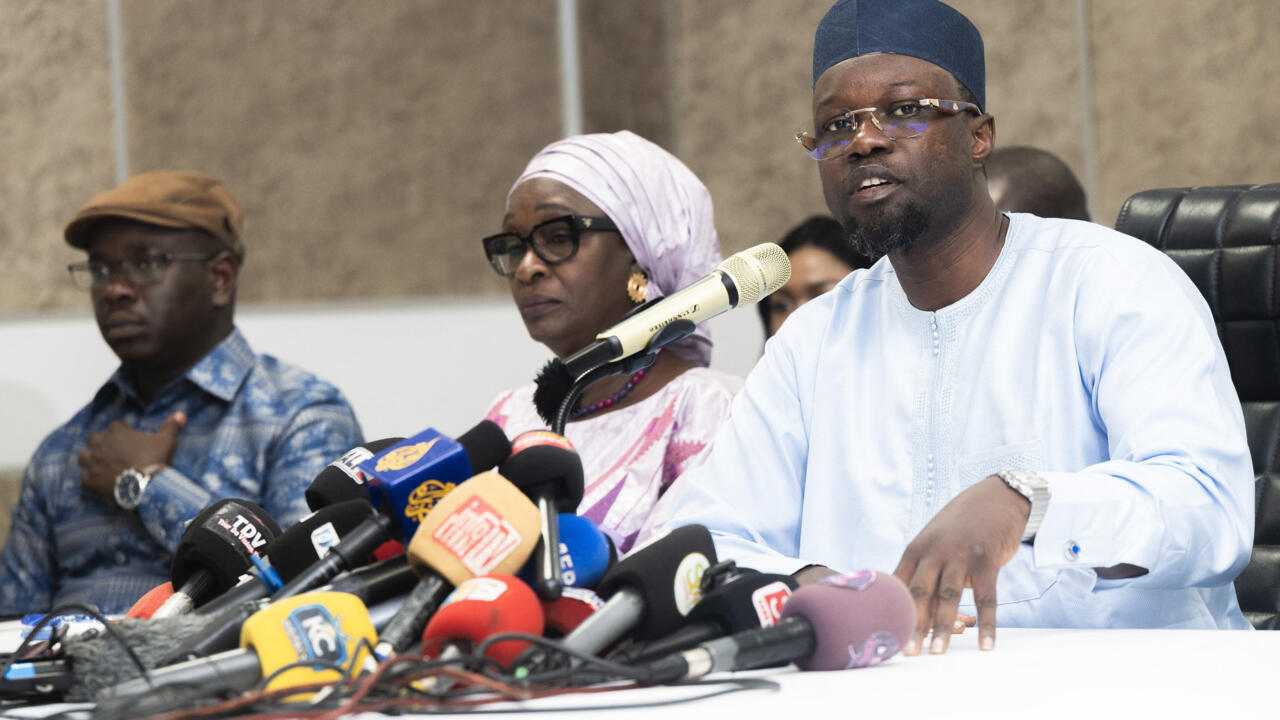
With a resounding mandate secured at his party’s recent convention, Ousmane Sonko stands at a pivotal moment in Senegalese politics. The Pastef leader’s re-election as party president marks a new phase in his relationship with President Bassirou Diomaye Faye, after Sonko’s unexpected removal from the prime ministership just two weeks prior. In a bold declaration following his victory, Sonko emphasized that his party, holding a majority in the National Assembly, will ‘ensure the protection of the people’s interests’ through parliamentary oversight.
What does Sonko’s political resurgence mean for Senegal?
Sonko’s overwhelming re-election demonstrates his continued influence within the Pastef party, despite recent government reshuffles. His new role as President of the National Assembly gives him unprecedented institutional leverage to challenge the executive branch. The question now is how this dynamic will shape Senegal’s political landscape in the coming months, particularly as the president and his former prime minister navigate their evolving relationship.
As the majority party in the National Assembly, Pastef has pledged to ‘safeguard the people’s interests.’ This commitment raises important questions about potential legislative battles ahead. Will Sonko use his new position to push for policy changes aligned with his party’s platform? Or will the political rivalry between him and President Faye intensify?
Key factors to watch in the Sonko-Faye relationship
- Institutional power shift: Sonko’s move from prime minister to National Assembly president represents a significant transfer of political influence within Senegal’s government.
- Legislative agenda: With majority control, Pastef can now shape legislation, potentially creating friction with the executive branch.
- Public sentiment: Sonko’s strong party backing reflects continued popular support for his political vision, which may pressure the government to respond.
- Economic priorities: The party’s focus on protecting people’s interests could lead to conflicts over budget allocations and economic policy.
The coming weeks will reveal whether this political realignment leads to constructive engagement or deeper institutional divides in Senegal’s democratic process.