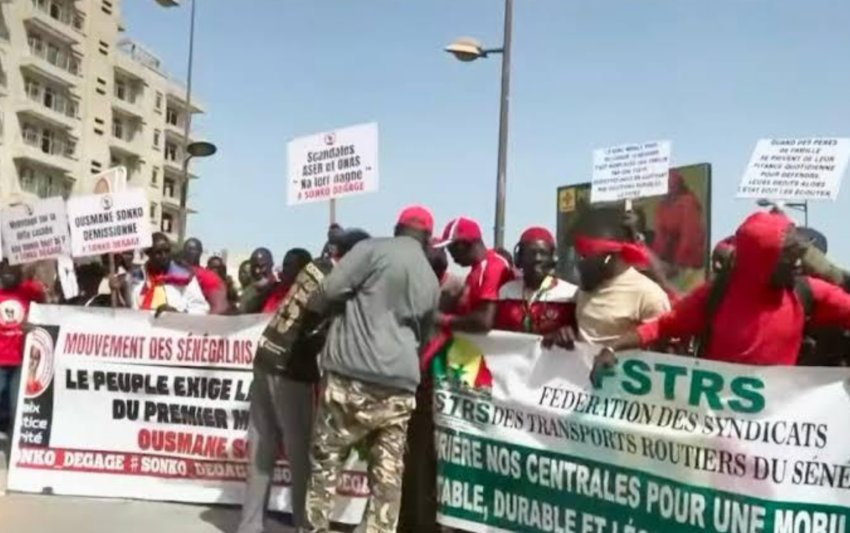
Worker protests expose broken pledges straining Senegal’s fragile stability
Dakar — A nationwide 72-hour strike launched by major trade unions has pushed Senegal to a breaking point, laying bare the consequences of unkept promises and a widening trust deficit between citizens and public authorities. As workers stage walkouts from Tuesday through Thursday, the nation braces for potential disruptions in education, public services, and economic activity, all while officials scramble to contain a crisis that could derail critical preparations for the upcoming Youth Olympic Games.
Education sector leads demands for accountable governance
The G7 coalition — a powerful bloc of seven teachers’ unions — spearheaded the industrial action after months of frustration over unfulfilled agreements. Signed in April 2026, the protocol promised timely salary disbursements, administrative regularizations, and expanded professional development initiatives for educators. Yet, delays in fund releases, unresolved contract worker payments, and stalled training programs have left teachers in limbo.
For the G7, these demands are not negotiable. “Stability in Senegal’s education system begins with consistency and follow-through from its leaders,” argued a union spokesperson. With the academic year already delayed due to climate-related setbacks, teachers insist that further postponements would compromise learning outcomes for thousands of students across the country.
Broken promises ripple through public institutions
The crisis transcends classroom walls, reaching into corridors of power and state institutions. Administrative delays have stalled career advancements for civil servants, while delayed welfare benefits spark frustration among frontline workers in healthcare and transportation sectors. The Front syndical pour la défense des travailleurs (FSDT) amplifies these concerns, pushing for systemic reforms in labor policies and social protections.
Union leaders warn that without urgent interventions, the strike’s ripple effects could paralyze key public services, exacerbate unemployment, and weaken investor confidence ahead of international events.
Government faces entrenched opposition as talks stall
The executive branch has oscillated between conciliation and confrontation. In a high-profile tripartite meeting on October 15, Prime Minister Ahmadou Al Aminou Lo reaffirmed the government’s commitment to dialogue, urging unions to observe a three-month moratorium on strikes to facilitate negotiations. However, authorities also framed the labor actions as legally non-compliant, threatening disciplinary measures and salary deductions for those violating procedural norms.
Security agencies have since been mobilized to ensure unrestricted movement and protect non-striking employees, but tensions persist. The government’s mixed messaging — promoting peace on one hand and enforcement on the other — reflects deeper divisions within its ranks and raises doubts about its ability to deliver on its commitments.
Political fractures compound economic pressures
Amid the labor storm, Senegal’s political landscape is fragmenting. Disagreements over the 2027 budget and institutional rivalries between executive and legislative branches have eroded public trust. Analysts suggest that these fractures could weaken the government’s resolve to honor social contracts at a time when fiscal discipline demands compromise.
The upcoming Youth Olympic Games — a high-profile international event — add another layer of pressure. While authorities aim to maintain service continuity and preserve national prestige, unions insist that pressing social demands cannot be sidelined for logistical expediency. “This isn’t just about 72 hours — it’s about the credibility of governance,” noted a senior union official.
What’s next? Three possible paths forward
The coming days will determine whether Senegal can avoid a prolonged confrontation. Three potential scenarios loom:
- Immediate resolution: A swift government concession package — including accelerated arrears payments and a revised implementation timeline — could halt the strike and restore operational normalcy across sectors.
- Protracted conflict: If negotiations collapse or authorities resort to punitive actions, unions may escalate tactics, prolonging disruptions and deepening societal divisions.
- Selective concessions: Targeted policy rollbacks, such as partial salary payments or temporary training grants, could offer short-term relief but fail to address systemic issues, leaving the door open for future unrest.
Long-term cost of inaction could outweigh short-term gains
For Dakar’s workforce, families, and business owners, the strike represents more than a refusal of labor conditions — it’s a referendum on accountability. “People are tired of empty statements,” shared a small business owner in Plateau. “When salaries are late, when schools close, when promises are forgotten, the economy weakens from within.”
As the nation watches, the true test lies not in the duration of the walkout, but in whether the aftermath brings reform or retreat. For Senegal, the stakes couldn’t be higher: a stable social contract now could pave the way for growth and global recognition; a fractured one risks isolating the country economically and politically at a pivotal moment.