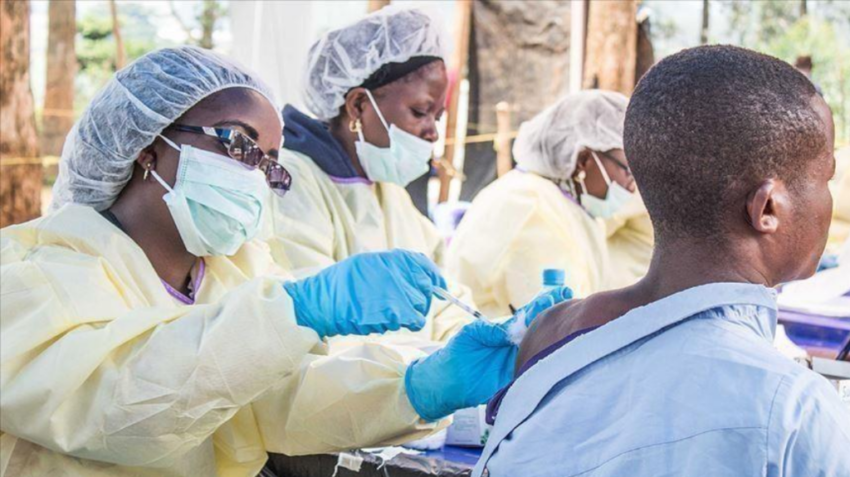
Lagos, 21 October 2026 — Nigeria has confirmed its first imported case of Ebola virus disease in the capital, Abuja, sending shockwaves through regional health systems already stretched thin. The detection of the Bundibugyo virus variant has exposed critical vulnerabilities in Africa’s pandemic preparedness, reigniting fears of cross-border spread and economic fallout.
How a single case could reshape Africa’s health security
Federal health authorities confirmed Tuesday that a Nigerian woman, who recently traveled through East and Central Africa, tested positive for the rare Bundibugyo strain — the first such case in the country in several years. The patient, who developed symptoms on 7 October, sought care at a private clinic in Abuja on 11 October before being isolated after lab confirmation on 20 October.
The authorities have launched a massive contact-tracing operation, identifying 44 individuals who may have been exposed. « She is receiving treatment in isolation, » announced Health Minister Muhammad Ali Pate, stressing that preventing new transmission chains is now a national priority.
From Congo’s heartland to West Africa’s doorstep
The renewed threat traces back to the Democratic Republic of Congo (DRC), where the Bundibugyo virus has sparked a sustained outbreak since May 2026. More than 200 cases and 140 deaths have been reported nationwide, with spillovers into neighboring Uganda and Kenya — which reported nine infections within weeks of the first confirmed case.
Nigeria’s case marks the fifth cross-border detection linked to the DRC outbreak, according to regional health officials. Investigators are working to pinpoint where the infection occurred, with early evidence suggesting the woman passed through Uganda after visiting eastern DRC for work.
This lack of clarity highlights a dangerous gap in real-time tracking. In an era of rapid global mobility, a single unmonitored traveler can carry a deadly pathogen across continents in less than 24 hours.
Echoes of the 2014–2016 West Africa crisis
For West African nations like Nigeria, the memory of the 2014–2016 Ebola catastrophe remains searing. That epidemic, which swept through Guinea, Liberia, and Sierra Leone, killed over 11,000 people and pushed fragile health systems to collapse. Nigeria, though spared the worst, did record 20 deaths and faced severe economic disruptions, including lost trade and tourism.
Today, the stakes are even higher. With Africa’s most populous country now in the crosshairs, the pressure is on to act before the virus gains a foothold.
Strengthening the first line of defense
- Border surveillance: Thermal scanners already operate in major airports like Lagos and Abuja, but gaps remain in tracking asymptomatic travelers.
- Laboratory readiness: Nigeria has expanded its network of accredited labs since 2016, but only a handful can diagnose Bundibugyo, a rarer strain than the Zaire variant.
- Health worker safety: Frontline medical staff now face dual threats — Ebola and the ongoing Lassa fever season — requiring urgent protective gear and training.
What you need to know: symptoms, transmission, and response
Ebola’s early symptoms — fever, severe headache, muscle pain, vomiting, and diarrhea — mimic malaria or typhoid, complicating rapid diagnosis. Without immediate isolation and supportive care, the case fatality rate for Bundibugyo can reach 50%.
The virus spreads only through direct contact with bodily fluids from symptomatic patients or contaminated objects — not through casual interaction. Yet misinformation spreads faster than the pathogen. Authorities are urging the public to:
- Report any suspicious symptoms to health facilities immediately, avoiding self-medication or concealment.
- Trust only verified public health sources for updates.
- Adhere to quarantine measures if exposed.
Will Nigeria avoid a full-blown outbreak?
While a single imported case doesn’t guarantee an epidemic, the situation demands swift, coordinated action. Success hinges on three pillars:
1. Contact tracing under the microscope
Each of the 44 exposed individuals is being monitored daily. Delays in tracing or concealment of travel history could allow silent chains of infection to emerge.
2. Public trust and communication
Past outbreaks were worsened by panic and distrust. Clear messaging — about risks, treatment options, and prevention — is critical to prevent stigma or evasion of healthcare.
3. Regional solidarity
Nigeria is coordinating with the Africa CDC, WHO, and neighboring countries like Benin and Togo to share real-time data. But without rapid information-sharing and joint border controls, the virus could slip through the cracks.
The message from Abuja is unequivocal: « Vigilance must be our watchword, » stated Pate. « We are not just fighting a virus — we are fighting complacency. »
Key Ebola Facts (Bundibugyo strain)
- Incubation: 2 to 21 days
- Transmission: Direct contact with bodily fluids
- Case fatality rate: ~50%
- Distinct from Zaire strain (2014–2016)
Beyond health: the economic shadow of Ebola
An outbreak in Nigeria would have devastating consequences far beyond hospitals. The country is Africa’s largest economy and a logistics hub for West and Central Africa. Disruptions to ports, airlines, and supply chains could ripple across the continent.
Neighboring nations are already tightening screening at land borders and airports. If containment fails, travel advisories and trade restrictions could follow — a repeat of the economic paralysis seen in 2014.
Businesses across key sectors, from oil to agriculture, face heightened uncertainty. Small and medium enterprises, which drive 80% of Nigeria’s economy, are especially vulnerable to lockdowns and market fears.
What happens next?
The coming 72 hours will be decisive. If no secondary cases emerge, Nigeria may avert a crisis. But if transmission is already underway, the window to contain it will close rapidly.
For now, one thing is certain: Ebola is not just Central Africa’s problem anymore. With Nigeria as its latest battleground, the virus tests the resilience of the entire continent’s health and economic defenses.Health officials are urging calm but firm action. « Speed, transparency, and solidarity will determine whether this remains a single imported case — or the spark of a new regional disaster, » concluded Pate.