The Senegalese government has set its sights on breaking free from a decade-long stalemate in its palm oil sector. In a strategic move sealed behind closed doors in Dakar on September 11th, officials from the Ministry of Agriculture, Food Sovereignty, and Livestock (MASAE) unveiled an ambitious plan to plant 60,000 hectares of oil palm trees across the country’s central and southern regions. This initiative would quintuple the nation’s current cultivated area, a bold step toward reducing reliance on foreign suppliers.
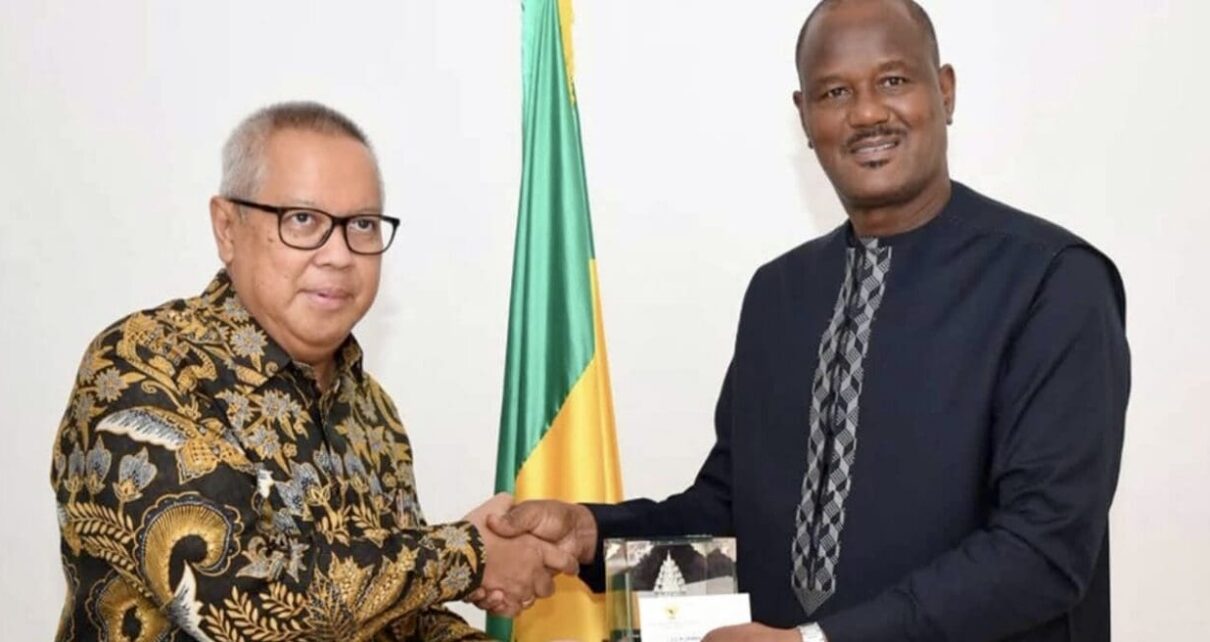
The agreement with the Indonesian oil palm industry—the world’s largest producer—marks a turning point for a sector long constrained to just 12,000 hectares between 2015 and 2024. The two nations are now forming a joint technical working group to finalize implementation details, though specifics on timelines and funding remain undisclosed for the moment.
Decades of stagnation leave Senegal stuck in import dependence
No progress has been made over the past decade. Data from the Food and Agriculture Organization (FAO) reveals that Senegal’s oil palm plantations have barely expanded, hovering around 11,800 hectares for nearly ten years. This stagnation has locked local palm oil production at just 14,000 tonnes annually, far below the national demand.
To bridge the gap, Senegal has been forced to import massive quantities—averaging 148,100 tonnes per year since 2015, with a peak of 195,937 tonnes in 2017. The financial toll is steep: annual import bills have reached as high as $172 million, straining public finances and undermining food security goals. The government now views this import dependency as unsustainable and central to its broader food sovereignty strategy.
Why Indonesia? Leveraging global dominance for local gains
The choice of Indonesia as a partner is far from random. The Southeast Asian nation produces 46.7 million tonnes of palm oil annually—a global record—and exports more than any other country. Its expertise spans advanced cultivation techniques, high-yield varietal selection, and industrial processing methods.
For Senegal, the collaboration extends beyond mere acreage expansion. The goal is to absorb Indonesia’s technological and operational knowledge, fostering a new generation of local professionals to modernize the entire value chain. Without this know-how transfer, experts warn, the sector risks repeating past failures and remaining uncompetitive.
Lessons from Africa: when partnerships translate into production gains
The Dakar-Jakarta alliance follows a proven blueprint: African governments and oil palm firms are increasingly teaming up with Indonesian stakeholders to boost yields. In Tanzania, a 2025 cooperation agreement with the Indonesian Palm Oil Association (GAPKI) has already begun delivering training programs and technical guidance to local growers. Similarly, Nigeria—Africa’s top palm oil producer—signed a 2024 pact with GAPKI to enhance productivity through shared expertise and technology transfers.
Whether Senegal can replicate these successes remains an open question. The nation’s track record of underperformance underscores the urgency of execution—and the high stakes involved.