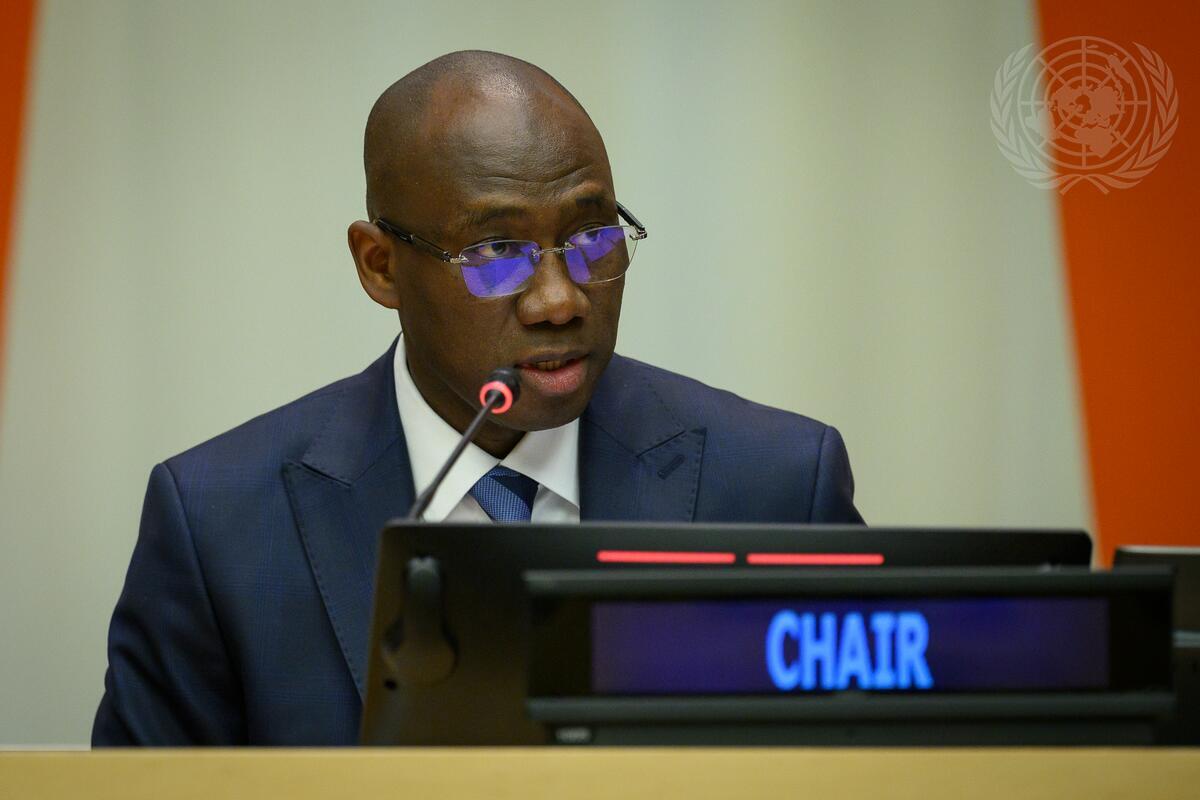
The United Nations General Assembly’s Fourth Committee, responsible for special political and decolonization matters, has appointed Senegalese Ambassador Coly Seck as its president for the 81st session. The election took place on June 2, 2026, following the 85th plenary meeting of the 80th session in New York.
During the same session, delegates also elected the President, Vice-Presidents, and bureaux of the Assembly’s six main committees for the upcoming session. Ambassador Seck expressed gratitude to UN member states for their trust and pledged to serve the organization diligently throughout the 81st session.
Senegal’s leadership role at the UN
This appointment underscores Senegal’s active role in multilateral diplomacy, particularly in peacekeeping. According to UN Peacekeeping Operations, Senegal currently contributes over 3,000 military and police personnel to UN peacekeeping missions worldwide.
The Fourth Committee oversees critical global issues including decolonization, the effects of ionizing radiation, peacekeeping operations, special political missions, and the rights of the Palestinian people. Its work aligns with the broader priorities of the upcoming 81st session, set to begin in September 2026, which will focus on strengthening multilateralism and international peace and security.
A session of challenges and opportunities
UN Secretary-General António Guterres highlighted both the challenges and possibilities facing the 81st session. ‘The relentless efforts of diplomacy, dialogue, and collaboration within this Assembly renew my hope,’ he stated, emphasizing the UN’s potential to transform divisions into collective action.
Ambassador Seck will lead the Fourth Committee alongside a newly elected bureau, including Vice-Presidents Fahad Mohammad Alajm (Kuwait), Deborah Maria Borg (Malta), and Andrei Nicolenco (Republic of Moldova), as well as Rapporteur Matthew Moxey (Bahamas). The committee’s work will be crucial as the UN addresses pressing global issues, from humanitarian crises to financial constraints.