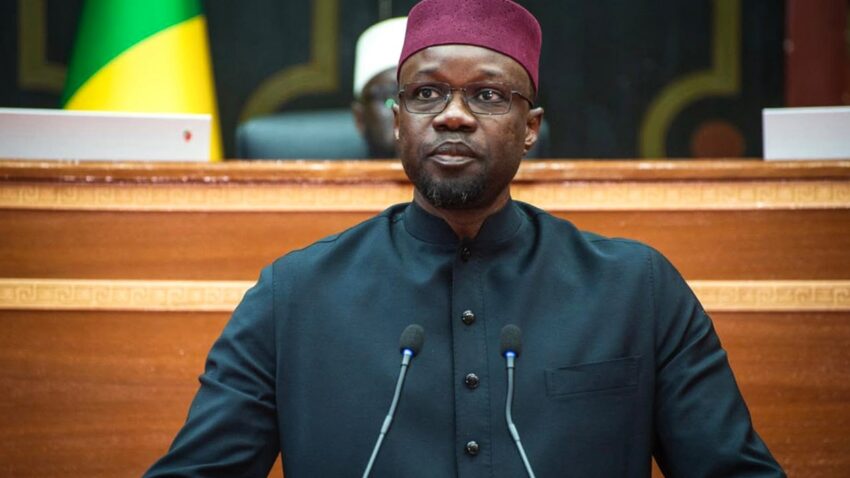

Since taking office, Senegal’s constitutional council has repeatedly rejected key proposals from the ruling Pastef movement, leaving citizens and businesses grappling with legal uncertainty. From stalled legislative bills to blocked appointments, the fallout is forcing stakeholders to rethink their strategies in a climate of increasing institutional tension.
Why Senegal’s constitutional council keeps pushing back
Analysts point to a pattern of rulings that have stymied the Pastef government’s agenda at critical moments. Legal experts cite discrepancies between proposed texts and existing constitutional frameworks, while political observers highlight the council’s role as an independent referee in a crowded political arena.
Key factors behind the repeated clashes include:
- Legal technicalities: Procedural oversights in draft legislation have triggered automatic rejections, leaving the government racing to revise and resubmit.
- Constitutional interpretation: The council’s strict reading of the 2023 constitution has clashed with the government’s expansive interpretation, particularly on powers of oversight and executive authority.
- Political stakes: With Pastef controlling key institutions, opponents leverage the council to block policies perceived as radical or destabilizing.
How businesses and investors are adjusting to the uncertainty
The council’s rulings have ripple effects beyond government corridors. Vital sectors like infrastructure and energy face delays as stalled projects wait for legal clearance, pushing timelines and budgets into limbo.
Companies are now taking precautionary measures:
- Preemptive legal reviews: Firms hiring constitutional law specialists to pre-screen projects before submission to authorities.
- Alternative pathways: Some investors pivoting to regional projects in neighboring countries perceived as more stable.
- Risk assessments: Businesses factoring in legal delays when planning expansions, raising costs in the process.
Citizens bear the brunt of legislative gridlock
The most immediate consequences are felt by ordinary Senegalese. Important reforms—education funding, healthcare access, and youth employment initiatives—are trapped in bureaucratic limbo, delaying tangible benefits for voters who elected the movement on promises of rapid change.
Public frustration has boiled over. Protests and social media campaigns now shadow every key ruling, with activists accusing the council of undermining democratic progress. Civil society leaders warn that sustained gridlock risks eroding public trust in institutions, a dangerous game for a young democracy.
Can Pastef break the deadlock?
Facing persistent setbacks, the government is exploring creative solutions to outmaneuver the council. Proposed amendments aim to clarify constitutional ambiguities that have fueled disputes, while outreach to legal experts seeks to align proposed legislation with the judges’ expectations.
Some analysts suggest a bipartisan commission could bridge the gap, offering a space for negotiation between the government and the council. Yet skepticism remains about whether such efforts can yield results before the next electoral cycle.
What’s next for Senegal’s political landscape?
The broader implications extend beyond Pastef’s immediate agenda. A pattern of confrontation risks normalizing institutional roadblocks, potentially reshaping how future governments navigate constitutional challenges. For Senegal’s democracy, the stakes couldn’t be higher.
One thing is clear: until the council and the government find common ground—or until constitutional provisions are refined—the specter of legal uncertainty will continue haunting Senegal’s political and economic life.