How Mali’s cities became battlegrounds for survival
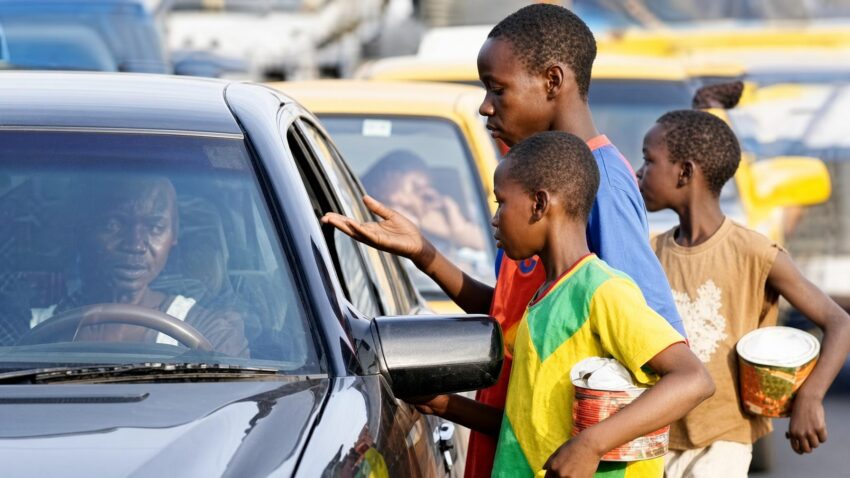
Every day, the streets of Bamako echo with a relentless plea for help. Children, people with disabilities, and the elderly stand at every major intersection, in front of government buildings, and beside places of worship. What once seemed like isolated acts of hardship has evolved into a systemic blight—one that exposes the deep fractures in Mali’s governance structures. Despite repeated government pledges and public awareness campaigns, the country’s battle against street begging is largely failing, leaving hundreds of thousands trapped in cycles of poverty and exploitation.
When public policies fail to protect the vulnerable
Far from being a minor issue, street begging in Mali’s urban centers has become a defining feature of daily life. Behind the red lights of the capital’s busiest streets, children—often sent by unscrupulous Quranic instructors or left to fend for themselves—dart between cars, risking life and limb just to survive. The numbers are staggering: government-led street sweeps and awareness drives have done little to stem the tide. Initiatives launched by the Ministry of Women, Children, and Family Promotion to remove children from the streets and provide social support have consistently fallen short. With no permanent shelters, inadequate funding, and little follow-up, those rescued often return to the streets within hours.
The broken promises of state intervention
Years ago, authorities vowed to protect children from exploitation and ensure every child receives quality education. Yet today, the promises ring hollow. The state’s inability to enforce free, mandatory schooling has left millions of families with no choice but to send their children into the streets. Meanwhile, the opaqueness of informal Quranic schools—where children are routinely exploited for forced begging—operates with near-total impunity. Authorities hesitate to enforce existing laws under the guise of religious or cultural sensitivity, allowing exploitation to thrive under their watch.
The economic and social toll behind the begging epidemic
The roots of Mali’s street begging crisis run deep, intertwined with decades of economic mismanagement, weak institutions, and corruption. The state’s chronic underinvestment in social services has left critical sectors such as education and public health underfunded and overwhelmed. Instead of allocating resources to poverty alleviation and human development, priorities lean heavily toward security expenditures and bureaucratic overhead. Public funds meant for social programs often vanish into the opaque machinery of bureaucracy, leaving vulnerable groups with little to no support. While international aid pours into the country, mismanagement and corruption divert resources away from those who need them most.
A generation abandoned by the state
For tens of thousands of children and young adults in Mali, the streets are not just a place of survival—they are a trap. Without access to education, healthcare, or safe housing, these youth become easy targets for criminal networks and armed groups operating in the region. The failure to rein in street begging isn’t just a humanitarian issue; it’s a growing security threat. These neglected individuals represent a ticking time bomb—one that could destabilize local communities and fuel further unrest if left unaddressed.
What it will take to break the cycle
Reversing this crisis requires more than symbolic reforms or temporary fixes. It demands a fundamental shift in governance priorities: transparent budget allocation, strong enforcement of child protection laws, and real investment in education and social services. Officials must move beyond rhetoric and tackle the corrupt systems that siphon public funds away from those who need them. Until Mali demonstrates a genuine commitment to protecting its most vulnerable citizens and holding perpetrators of exploitation accountable, the streets will continue to fill with outstretched hands—and the country’s future will remain at risk.