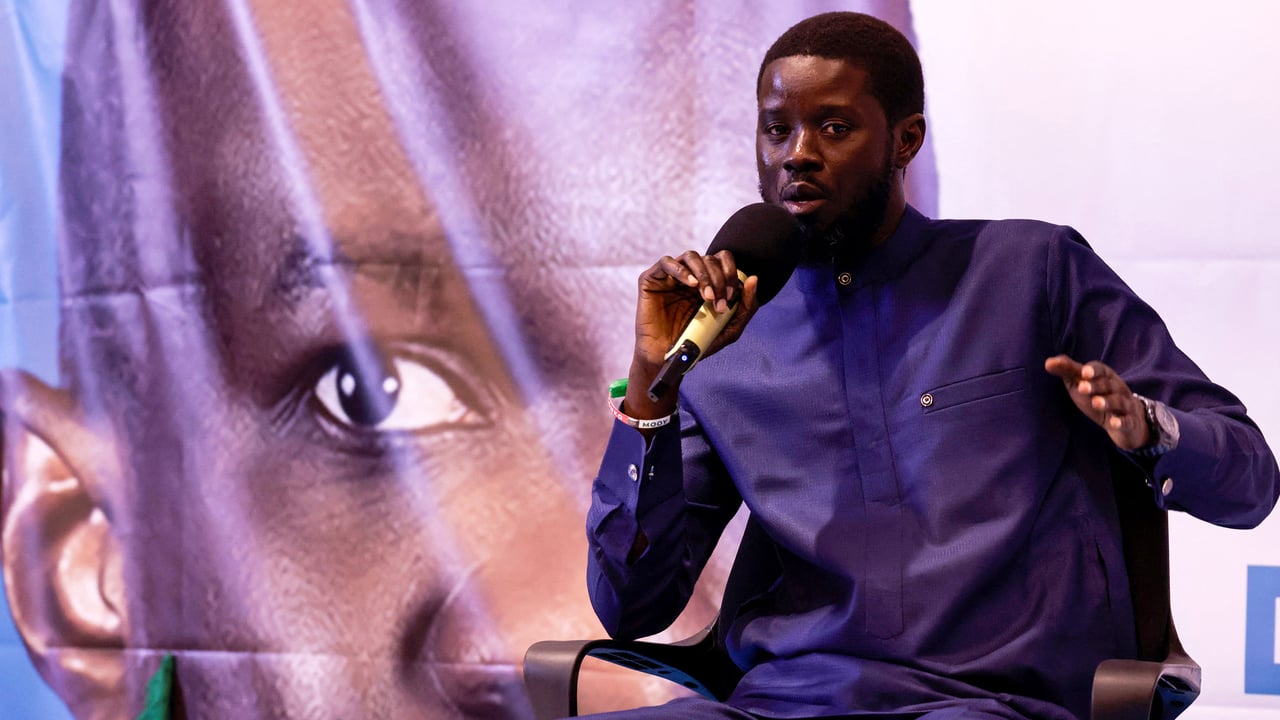

The political landscape in Senegal has been marked by a growing rift between two prominent figures: Bassirou Diomaye Faye and Ousmane Sonko. What began as a shared vision for change has evolved into a fratricidal clash that now divides even their closest supporters. This isn’t a sudden rupture but the result of years of diverging paths, strategic missteps, and unmet expectations.
The tension between them has deep roots, stretching back to the early days of their alliance. Both emerged as key players in the Pastef movement, which promised to transform Senegal’s political future. Yet, as their ambitions grew, so did the cracks in their relationship. Diomaye, once a loyal ally, now finds himself at odds with the very movement he helped build.
The origins of a fractured alliance
The seeds of their conflict were planted long before Diomaye became Senegal’s president. Their partnership was forged in the heat of opposition against an entrenched political system, but it was never seamless. Sonko, the movement’s founder, built his reputation on fiery rhetoric and a promise to dismantle the old guard. Diomaye, however, represented a more pragmatic approach—one that sought to bridge gaps rather than burn bridges.
Yet, as Diomaye rose to power, the dynamics shifted. His presidency has been marked by a push for reforms that some within Pastef view as too cautious. Meanwhile, Sonko, still a dominant force in the movement, has grown increasingly vocal about his dissatisfaction. The result? A widening chasm between the two men, with their supporters now taking sides.
Public clashes and hidden fractures
Their disagreements have spilled into the open, with Sonko publicly criticizing Diomaye’s policies and questioning his commitment to the movement’s core values. Diomaye, in turn, has sought to distance himself from the more radical factions of Pastef, signaling a clear break from his former mentor.
This isn’t just a political disagreement—it’s a battle over the soul of a movement that once united a nation. Supporters of Diomaye argue that his leadership is necessary for stability, while Sonko’s backers see him as the true voice of the people’s revolution. The divide has left many wondering: Can Senegal’s post-election unity survive this internal strife?
The stakes for Senegal’s future
The fallout from their feud extends beyond personal egos. Senegal stands at a crossroads, with economic challenges, social unrest, and regional tensions demanding decisive leadership. Yet, instead of unity, the country is witnessing a growing polarization that threatens to destabilize progress.
For Diomaye, the challenge is to prove that his vision for Senegal can deliver on its promises. For Sonko, the fight is about ensuring that the revolution he championed doesn’t lose its way. The question remains: Will they find a way to reconcile, or will their clash leave Senegal more divided than ever?
The answer may well shape the nation’s trajectory for years to come.