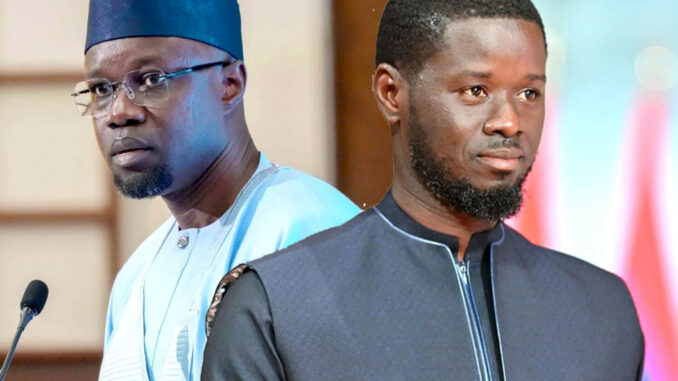
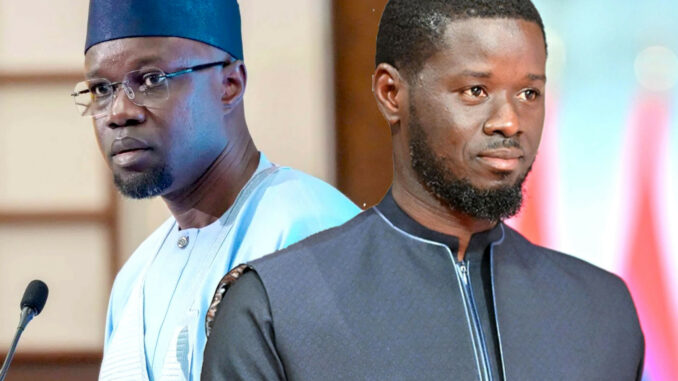
In Senegal, the political landscape this week is marked by delicate tensions at the highest levels of government between President Bassirou Diomaye Faye and his Prime Minister, Ousmane Sonko. The contrasting approaches they are taking are drawing significant attention to the balance of power within the executive branch.
Starting May 21, the Head of State will embark on an extensive round of consultations with key stakeholders across the nation. Over the course of ten days, political parties, civil society organizations, religious leaders, and traditional authorities will be invited to participate in a national dialogue aimed at fostering unity and inclusive decision-making.
This initiative succeeds the former annual dialogue day established during Macky Sall’s presidency. Observers suggest that President Faye is leveraging this platform to reinforce his reputation as a unifying figure, though critics argue that his government has not adequately engaged with opposition voices regarding electoral and institutional reforms.
Meanwhile, Prime Minister Sonko is set to address lawmakers during a scheduled parliamentary session focused on current affairs. While the timing of his speech aligns with the legislative calendar, it has sparked discussions about the sometimes-strained relationship between the two top leaders.
Political analyst Maurice Soundieck Dione highlights how both figures are now competing for political and media prominence. Analyst Assane Samb points out that improved coordination could have prevented the perception of competing narratives within the government.
The dynamic between Diomaye Faye and Sonko has been a recurring topic since they assumed office, fueling ongoing debates about the true distribution of power in Senegal’s new administration.