Senegal’s political arena under the microscope: Thierno Alassane Sall’s explosive revelations about Ousmane Sonko
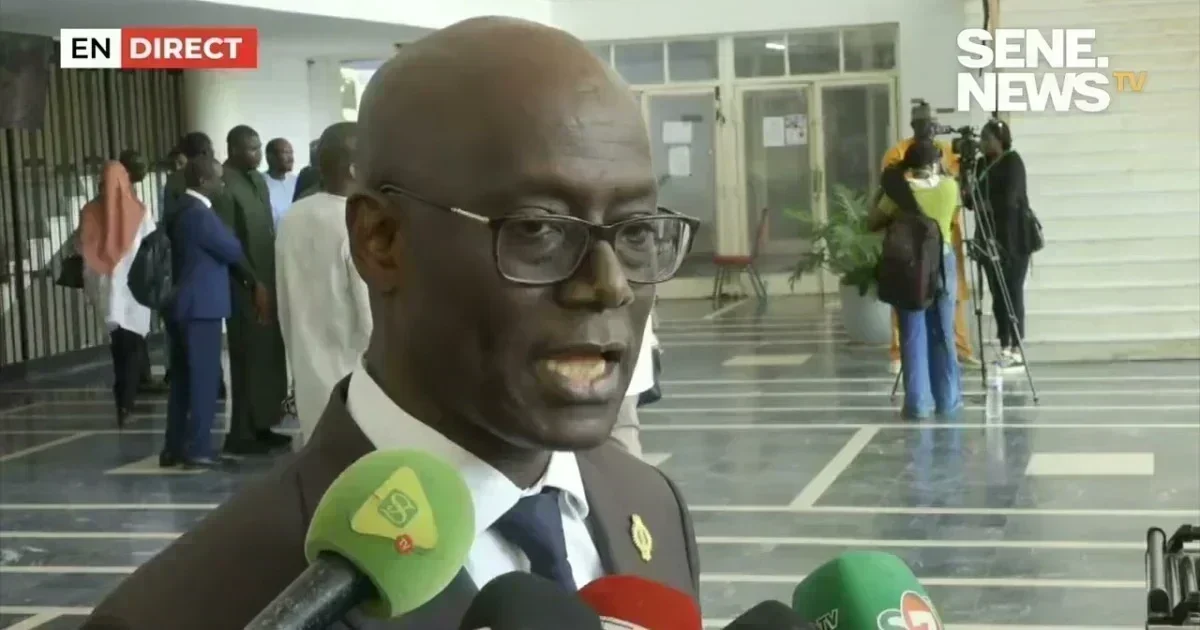
In a pivotal extraordinary session of the National Assembly, Thierno Alassane Sall, a prominent voice in Senegal’s political landscape, has delivered a series of unprecedented statements about Ousmane Sonko, the country’s influential opposition leader. The revelations, aired during a high-stakes legislative gathering, have sent shockwaves through the political sphere and are poised to reshape the national conversation.
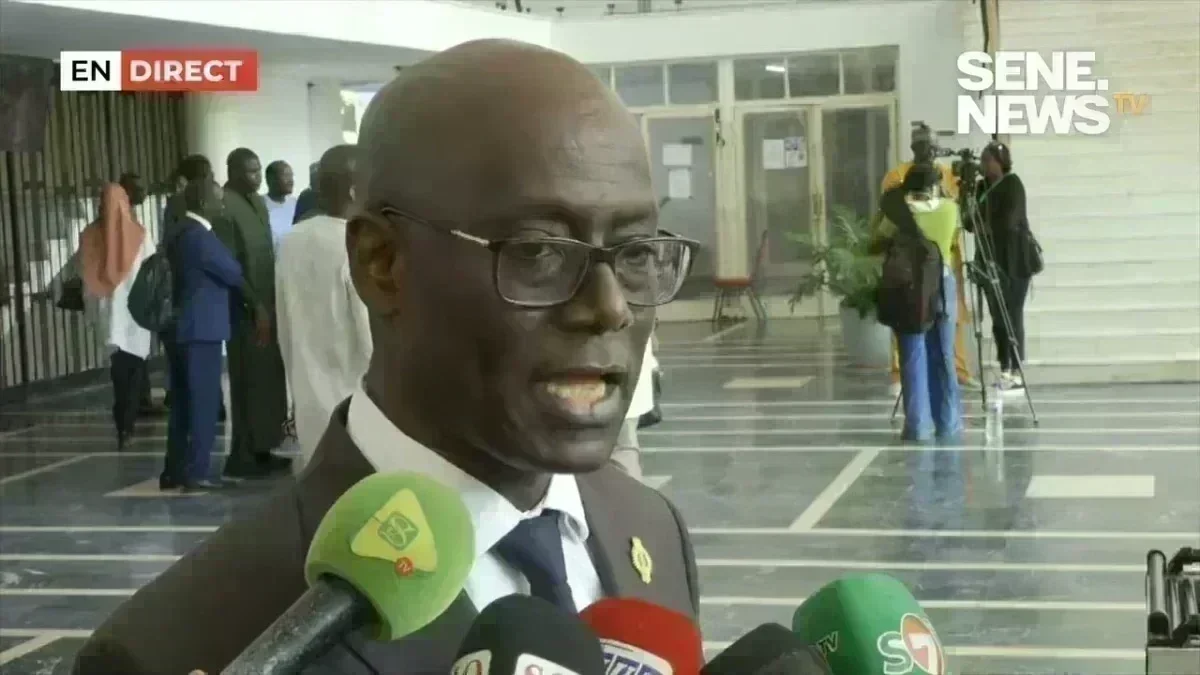
What unfolded during the extraordinary session
The extraordinary session, convened under extraordinary circumstances, became the stage for a historic confrontation between Senegal’s political heavyweights. Thierno Alassane Sall’s address brought to light previously undisclosed details regarding Ousmane Sonko’s political maneuvers, alliances, and strategic decisions. His statements have not only intensified the debate but also raised critical questions about transparency and governance in the country.
The session, which lasted several hours, was marked by tense exchanges and a palpable sense of urgency. Sall’s revelations touched on multiple facets of Sonko’s political career, including his party’s internal dynamics and its relationship with other opposition groups. Observers noted that the session could signal a turning point in Senegal’s political trajectory, particularly in how opposition forces navigate their roles in a rapidly evolving democratic landscape.
Key takeaways from Sall’s statements
Among the most significant points raised by Thierno Alassane Sall were:
- Internal party conflicts: Sall highlighted the growing rifts within Ousmane Sonko’s party, suggesting that these divisions could impact its cohesion and effectiveness in future elections.
- Strategic alliances: He revealed details about Sonko’s attempts to forge or break alliances with other opposition figures, shedding light on the complex web of political relationships in Senegal.
- Policy positions: Sall questioned the consistency of Sonko’s policy stances, particularly on issues of national importance, and called for greater clarity from the opposition leader.
- Public accountability: His remarks underscored the need for transparency, urging Sonko to address mounting concerns about his leadership and decision-making processes.
Reactions and implications for Senegal’s political future
The fallout from Sall’s revelations has been swift and far-reaching. Political analysts and citizens alike are grappling with the implications of his statements, which have rekindled debates about democracy, governance, and the role of opposition in Senegal. While some view the revelations as a necessary step toward accountability, others warn of potential escalation in political tensions.
For Ousmane Sonko and his party, the session presents both a challenge and an opportunity. The opposition leader now faces heightened scrutiny over his actions and statements, while his supporters see this as a moment to rally behind him in the face of adversity. Meanwhile, the broader political class is being forced to reassess its strategies in anticipation of the next electoral cycle.
What’s next for Senegal’s political landscape?
As Senegal continues to navigate this period of political upheaval, all eyes are on the National Assembly and the country’s leadership. The extraordinary session has set the stage for a series of debates and decisions that will shape the nation’s future. With public trust in institutions hanging in the balance, the coming weeks are likely to be pivotal in determining whether Senegal can emerge stronger from this crisis.
The revelations made by Thierno Alassane Sall have not only exposed the fault lines in Senegal’s political fabric but have also highlighted the urgent need for dialogue and reconciliation. As the nation moves forward, the actions of its leaders—and the responses of its citizens—will be critical in defining the path ahead.