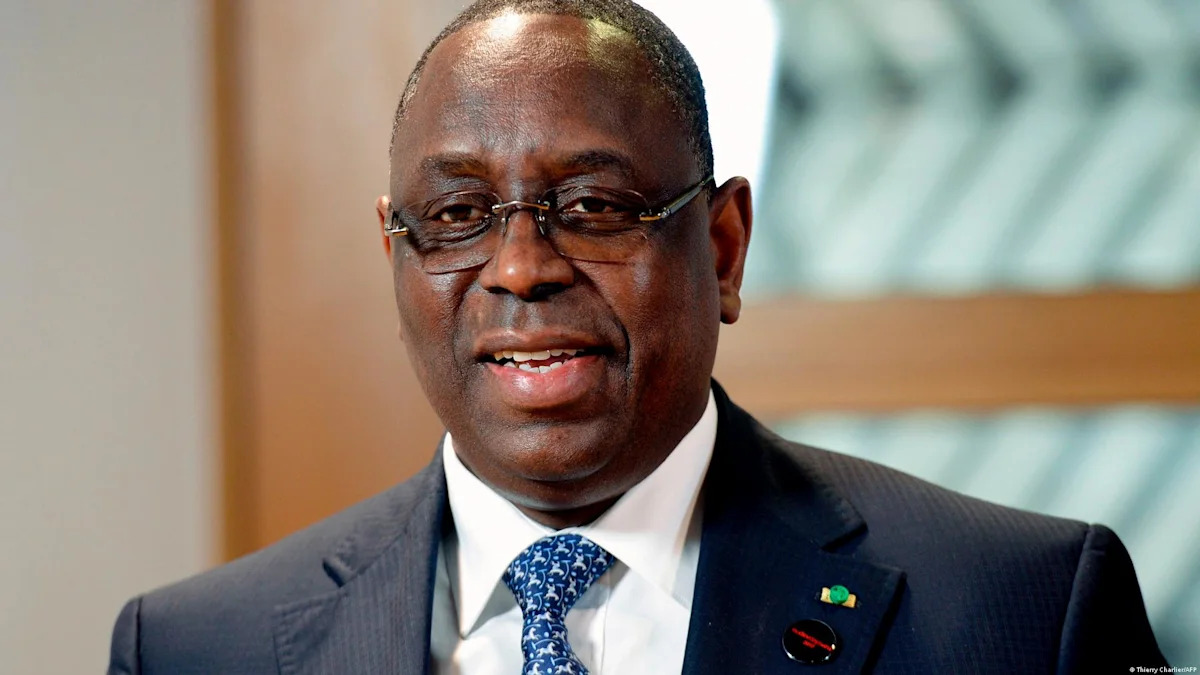
In Senegal, the planned meeting between President Bassirou Diomaye Faye and his predecessor, Macky Sall, has sparked outrage among families of victims of political repression during Sall’s tenure. These families argue that the visit occurs at a time when justice and reparations remain elusive.
Why is this meeting controversial, and what could be its impact on Senegal’s political landscape? To understand the stakes, we spoke with political analyst Assane Samb, who sheds light on the significance of this encounter in the current Senegalese context.
Analyst Assane Samb weighs in
Assane Samb: This meeting was anticipated, despite the objections from certain quarters.
Contextual backdrop: A nation divided
Assane Samb highlights the broader implications of the meeting, particularly in light of Senegal’s recent political upheavals. Between 2021 and 2024, the country witnessed intense street battles between protesters and security forces, as citizens demanded systemic change. The violence left a trail of grievances, with many families of victims still awaiting accountability.
Diplomacy vs. justice: A delicate balance
Assane Samb suggests that while President Faye was initially hesitant to openly support Macky Sall, his stance has since shifted. The analyst notes that the meeting reflects a broader reckoning with Senegal’s political past, where diplomatic considerations now outweigh earlier reservations.
International reactions and internal tensions
Samb predicts that the meeting will be widely praised by African leaders, enhancing Senegal’s international standing. However, internally, the political divide is likely to deepen, as fears of Macky Sall’s potential return resurface among segments of the population. The discussion touches on how this encounter could further polarize Senegal’s already fractured political scene.
Reconciliation in question
On the question of national reconciliation, Assane Samb acknowledges that while the meeting may be seen positively abroad, its effects on domestic unity remain uncertain. The unresolved grievances of victims and activists could overshadow any diplomatic gains, leaving many to question the sincerity of the gesture.