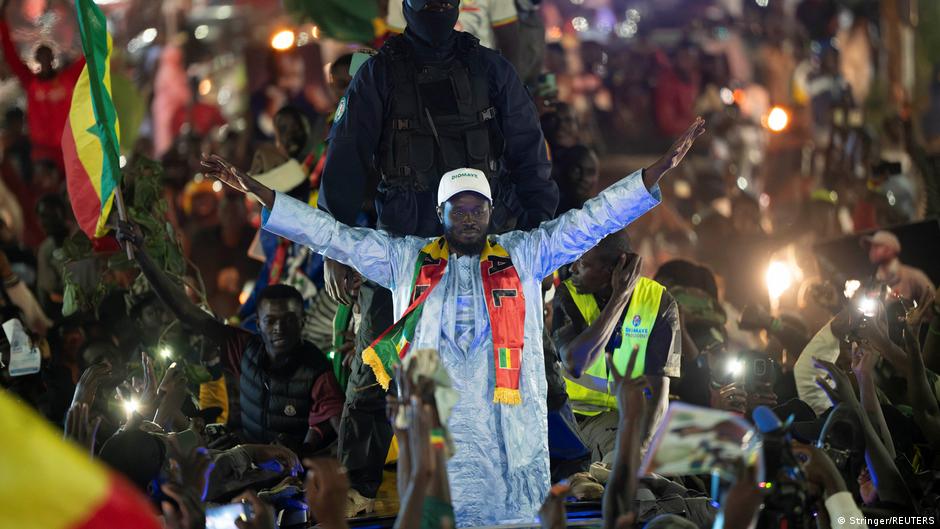
In his hometown of Mbour, the presidential coalition Diomaye Président made a deliberate move to signal a shift in its relationship with the PASTEF movement. The gathering, framed as a routine progress update, carried significant political weight, reflecting both internal power dynamics within the ruling majority and strategic preparations for upcoming elections in Senegal.
Building an independent presidential agenda
Since assuming office two years ago, Bassirou Diomaye Faye has been gradually asserting his political independence from PASTEF, the party that helped propel him to the presidency in 2024. In a widely discussed interview earlier this month, he highlighted concerns over the movement’s “excessive personalization of political projects,” widely seen as a direct critique of Ousmane Sonko’s dominant influence within Senegal’s political landscape.
The Mbour event underscored this strategic pivot. Political analysts view it as a calculated effort to cultivate a “Diomayiste” faction—one directly aligned with the presidency rather than the grassroots structure of PASTEF. This approach reinforces the constitutional hierarchy, positioning Faye as the ultimate authority in a system where executive power resides with the president.
Mbour as a litmus test for presidential influence
The choice of Mbour was far from coincidental. A stronghold of Faye’s electoral base, the city provided a secure environment to gauge his ability to mobilize support beyond PASTEF’s core networks. While the event drew substantial crowds to the Stade Caroline-Faye, the president’s absence—replaced by a video address—sparked discussion about his leadership visibility.
For analysts, the gathering served a dual purpose: demonstrating an independent popular base and psychologically preparing the electorate for a potential political realignment ahead of the upcoming legislative elections and, critically, the 2029 presidential race.
Navigating the 2029 presidential ambition
At Mbour, several coalition figures openly urged Bassirou Diomaye Faye to seek a second term—a move that, while constitutionally permissible, could reshape the power balance between him and Ousmane Sonko. Such a scenario would either necessitate a lasting cohabitation or force a clear delineation of roles and ambitions within the ruling alliance.
The relationship between the two leaders has grown increasingly strained, marked by strategic dismissals, a reshaping of presidential communication, and disputes over coalition control. While an open split could destabilize the majority, an ambiguous cohabitation risks fostering political fatigue among voters.
The president faces immense social expectations: tackling youth unemployment, stabilizing living costs, advancing judicial reforms, and enhancing economic governance. Though the government touts progress, several promised reforms have yet to yield visible results, fueling growing impatience among the Senegalese public.
In this context, the Mbour rally also served as a call for renewed political mobilization. As the executive acknowledges the challenges ahead—including fiscal constraints and rising debt—the gathering becomes a strategic moment to reinforce public support.
A defining moment for Faye’s presidency
The Mbour event is more than a political rally; it marks a pivotal phase in Bassirou Diomaye Faye’s presidency. It signals his transition into a more conventional, yet riskier, phase of governance—one where he must balance political loyalty, institutional authority, and long-term strategic planning.
The question remains: will this strategy of differentiation strengthen his position, or will it spark a lasting crisis within the majority? In a country where unity has long been touted as the cornerstone of the “rupture” promised in 2024, cohesion may ultimately prove fragile.