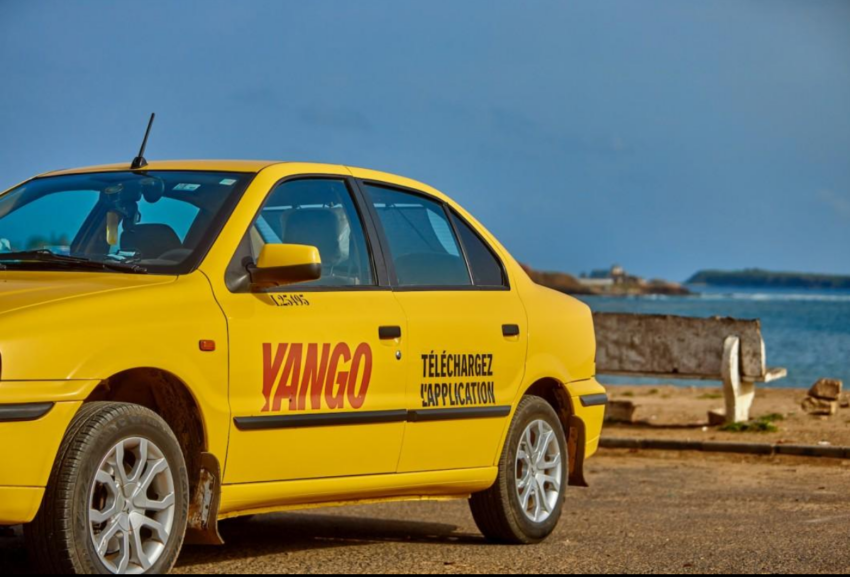
Senegal’s ride-hailing sector faces an unprecedented reckoning as multiple women come forward with harrowing accounts of sexual assault, theft, and intimidation allegedly committed by a Yango driver. The case has triggered outrage, reignited debates over passenger safety, and exposed critical gaps in the regulation of digital transport platforms operating in the country.
Allegations of systemic violence spark national outrage
The controversy erupted following a wave of testimonials shared across social media and local news outlets, detailing a pattern of predatory behavior linked to a single driver operating on Yango’s platform. Victims, whose experiences share alarming similarities, describe being diverted from their intended routes to isolated areas before facing physical threats, forced access to mobile wallets, and, in several cases, sexual violence under the threat of a weapon.
Reports suggest the incidents occurred along the corridor connecting Mbour to Dakar, a route commonly used by ride-hailing services. Survivors recounted how the driver, after initially following the booked itinerary, suddenly altered the course with fabricated excuses, leaving them vulnerable in remote locations. Some victims stated they were locked inside the vehicle, while others were coerced into unlocking their phones to access payment apps like Wave and Orange Money.
Yango’s response fails to ease concerns
In a widely criticized statement, Yango acknowledged the gravity of the accusations but claimed their initial system checks found no record of the trips reported by victims. This contradiction has intensified scrutiny of the platform’s driver vetting processes and raised urgent questions about accountability.
The company, represented by its deputy director Aïssata Ouane, issued a public statement expressing concern and pledging cooperation with authorities. However, the claim that no matching driver records could be located has done little to reassure the public. How could a driver accused of such severe crimes remain undetected? And if active on the platform, why did internal checks fail to uncover his activities?
Regulatory oversight in the transport sector comes under fire
The case has thrust the broader issue of women’s safety in private transport into the spotlight. While ride-hailing apps offer convenience and transparency compared to traditional taxis—such as real-time tracking, driver identification, and route sharing—these safeguards are rendered meaningless if drivers with criminal intent can bypass screening protocols.
Civil society groups are demanding stricter regulatory measures for transport platforms, including mandatory background checks, continuous driver monitoring, and transparent complaint mechanisms. The absence of uniform national standards has left a dangerous void, allowing unchecked driver behavior to endanger passengers.
Civil society demands justice and accountability
Women’s rights organizations, including the activist group WaxJotNa, have condemned the alleged failures of both Yango and authorities. In a strongly worded statement, the movement called for a full investigation, comprehensive support for survivors, and the establishment of clear accountability within the transport sector.
Advocates are also urging the government to enforce stricter licensing, regular audits of driver records, and rapid response protocols for passengers reporting misconduct. Failure to act, they warn, could erode public trust in ride-hailing platforms altogether—particularly among women who rely on them for safe mobility.
Legal liability: a complex and evolving question
From a legal standpoint, determining Yango’s responsibility remains complex. While the platform facilitates transactions between drivers and passengers, its legal status—as an intermediary or service provider—will dictate the extent of its obligations. If investigations reveal negligence in driver verification, record-keeping, or crisis response, civil or even criminal liability may come into play.
Yet even without a finding of fault, the case underscores a fundamental truth: digital platforms cannot operate in a regulatory vacuum. They must uphold the safety of users as a core business responsibility, or risk severe reputational and operational damage. In an era where convenience drives adoption, trust is the ultimate currency—and once lost, it is difficult to regain.
A turning point for Senegal’s ride-hailing future
This scandal may well mark a watershed moment for Senegal’s transport technology sector. It serves as a stark reminder that innovation alone does not guarantee safety, and that robust governance must accompany digital disruption. Women across the country now face a troubling question: can they board a ride-hailing vehicle with confidence that their safety is guaranteed?
The path forward demands transparency, accountability, and decisive action. Authorities must investigate thoroughly. Platforms must reform their screening and monitoring systems. And most importantly, survivors must receive justice—so that the promise of safe, accessible transport in Senegal can be fully realized.
Behind the incident lies a universal right: the freedom to move without fear. For women in Senegal, that right is now at stake.