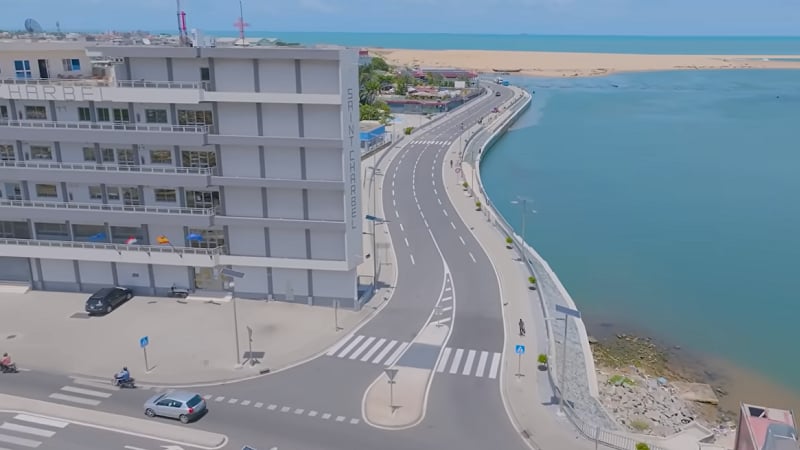
Cotonou’s recent leap to the top of Africa’s cleanliness rankings is more than symbolic it signals tangible shifts in the lives of residents and the economic trajectory of Benin’s bustling commercial hub. The city has claimed the West African leadership position and earned the third-place continental distinction in the 2025 cleanliness index, marking a pivotal moment for urban development across the region.
How Cotonou’s urban transformation delivers real-world benefits
The achievement underscores a broader evolution in how cities in West Africa can redefine public health, business ecosystems, and civic pride through targeted cleanliness initiatives. Cotonou’s progress reflects deliberate investment in waste management, public sanitation, and infrastructure renewal efforts that ripple through daily life for residents, visitors, and enterprises alike.
The human factor: residents’ perspectives on a cleaner urban landscape
Behind the rankings lies direct citizen feedback. With over 7,800 survey responses collected from permanent residents, Cotonou’s score of 7.6 out of 10 reflects growing public satisfaction with cleanliness standards. This feedback loop helps validate the effectiveness of municipal strategies while guiding future improvements.
The data suggests that Cotonou’s ascent is not merely a statistical anomaly but a reflection of how sustained cleanliness measures can influence quality of life. Reduced litter, cleaner streets, and improved waste collection collectively enhance livability, encouraging both local engagement and broader economic confidence.
Infrastructure and logistics: the engine driving Cotonou’s cleanliness push
The city’s cleanliness transformation is rooted in systematic upgrades to waste infrastructure and public services. In 2024 alone, more than 14,000 tons of household waste were collected monthly, while millions of square meters of public spaces underwent regular maintenance. These operations required a robust deployment of human resources, logistics, and organizational coordination resources now visibly improving hygiene conditions across the metro area.
Equally critical is the stabilization of waste collection systems. By ensuring consistent, reliable service rather than relying on ad hoc cleanup campaigns, Cotonou has fostered an environment where cleanliness is not temporary but enduring. This shift from reactive to preventive sanitation marks a fundamental change in how urban cleanliness is managed at scale.
Economic implications: why cleanliness fuels opportunity in Cotonou
For businesses operating in Cotonou, the city’s cleanliness carries significant economic weight. A well-maintained urban environment attracts investors, supports tourism, and strengthens local commerce by creating safer, more appealing spaces. Clean streets and reduced pollution also lower public health costs and improve workforce productivity, contributing to a more dynamic and sustainable economy.
The broader message for West Africa is clear: cities that prioritize cleanliness can unlock economic and social dividends. Cotonou’s model demonstrates how targeted municipal reforms when executed consistently can elevate a city’s profile, enhance resident well-being, and foster long-term growth.
Looking ahead: sustaining progress and deepening community involvement
Despite this milestone, the challenge remains to institutionalize these gains. Maintaining third place in Africa’s cleanliness rankings will require continued investment in infrastructure, ongoing public engagement, and the reinforcement of sanitation systems. Cotonou’s path forward hinges on three priorities:
Sustained infrastructure funding: Dedicated budgets and technical upgrades must support expanding waste networks to all neighborhoods.
Citizen participation: Encouraging community ownership through education and civic initiatives ensures that cleanliness becomes a shared value.
Data-driven adaptation: Monitoring public feedback and environmental indicators helps refine strategies and address emerging challenges.
By prioritizing these areas, Cotonou can transform its cleanliness leadership into a lasting legacy one that elevates lives, strengthens the economy, and inspires cities across the continent.
A blueprint for West African cities?
The message emerging from Cotonou’s success story is unmistakable: cleanliness is not an abstract goal but a tangible driver of progress. It reshapes urban environments, enhances economic potential, and elevates quality of life. For regional peers seeking to replicate this model, the key lies in commitment, consistency, and collaboration between city authorities and residents. Cotonou’s achievement proves that with the right strategies, clean urban spaces can become the standard not the exception in West Africa.
By Martin Ngu — Journalist