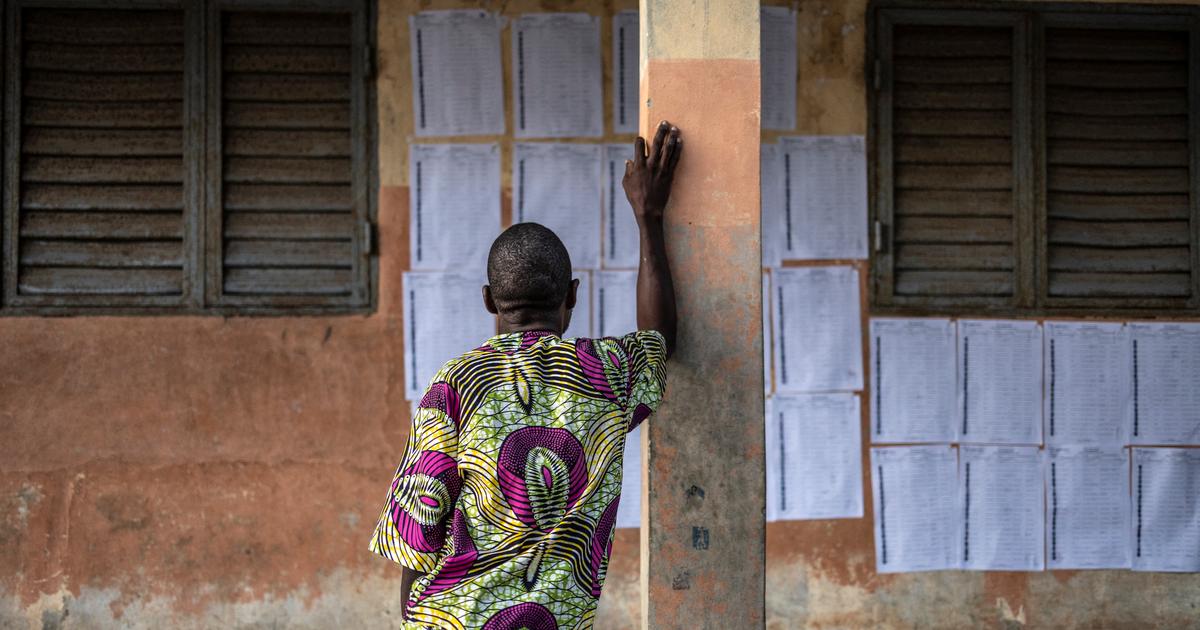
Election results in Africa this year have followed a predictable script: the opposition was systematically sidelined long before campaigning even began. In Djibouti, President Ismaïl Omar Guelleh secured a sixth term with a staggering 97.8% of the vote on April 10, while in Bénin, Romuald Wadagni—handpicked successor to Patrice Talon—claimed victory with 94% on April 12. Neither contest offered a genuine challenge.
financial barriers crush opposition hopes
Behind these lopsided outcomes lies a calculated strategy: exorbitant nomination fees that render opposition candidacies financially unviable. In Djibouti, aspiring opposition leader Alexis Mohamed withdrew his bid, citing both safety concerns and the prohibitive cost of candidacy. While intimidation tactics played a role, the nomination fees emerged as the decisive obstacle. Observers now describe the election as little more than a “ritualized confirmation” of the incumbent’s power.
This pattern has become a continent-wide trend. Across Africa, presidential hopefuls from opposition parties face an uphill battle—not against rival candidates, but against financial gatekeeping. The fees, often exceeding millions of local currency units, are set at levels designed to deter all but the most entrenched political machines. For many, the only realistic path to the ballot box runs through the ruling party’s coffers.
how nomination fees distort democracy
The mechanics of this exclusion are straightforward. Election commissions in multiple African nations have adopted fee structures that reflect the country’s gross domestic product—effectively pricing out grassroots candidates while leaving ruling elites untouched. In some cases, fees have surged by over 500% in a single election cycle, leaving opposition leaders scrambling for funding or abandoning their campaigns entirely.
The consequences extend beyond individual races. When opposition voices are silenced before the first vote is cast, the legitimacy of the entire electoral process comes under scrutiny. International observers have repeatedly flagged these financial hurdles as a threat to democratic norms, warning that elections held under such conditions risk becoming “administrative procedures rather than genuine democratic contests.”
As Africa’s political landscape grows increasingly polarized, the role of nomination fees in shaping electoral outcomes cannot be ignored. For opposition figures, the message is clear: if you can’t pay, you can’t play.