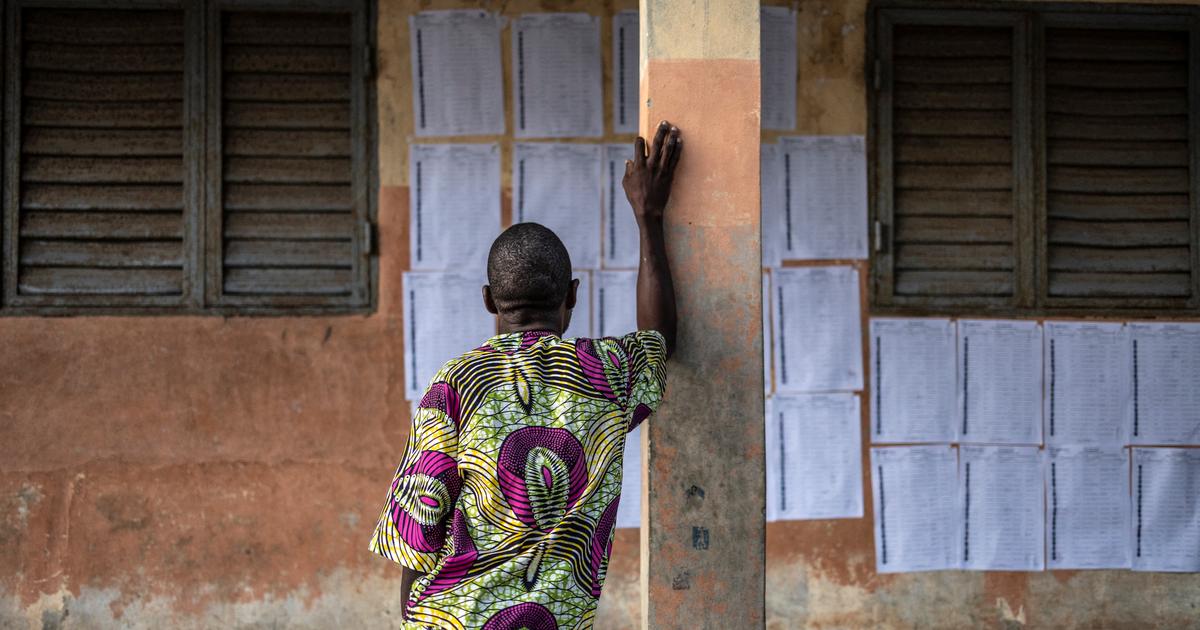
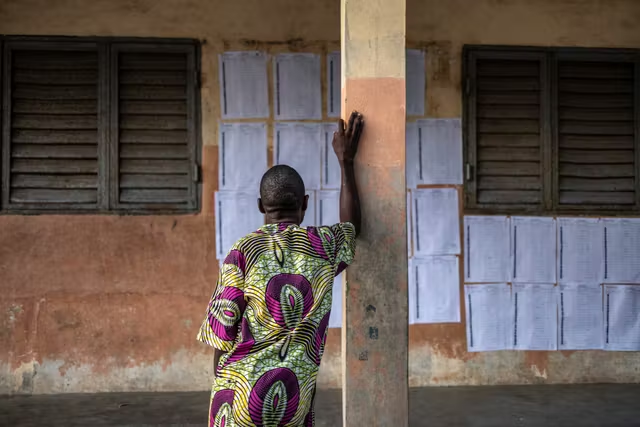
“Predetermined outcomes,” “sham elections,” “first-round sweeps by incumbents.” These phrases increasingly describe African presidential elections in 2025, where opposition candidates often face systemic barriers long before campaign season begins. Recent examples from early April—Djibouti’s April 10 vote and Benin’s April 12 election—illustrate this troubling trend. In Djibouti, incumbent Ismaïl Omar Guelleh clinched a sixth term with 97.8% of the vote, while in Benin, Romuald Wadagni—handpicked successor to Patrice Talon—secured 94% of ballots. Both victories arrived without meaningful competition.
In Djibouti, opposition leader Alexis Mohamed abandoned his candidacy after citing insurmountable hurdles. While he mentioned security concerns, the decisive factor was the “financial barrier” of nomination fees—an obstacle so steep it effectively barred most challengers. Observers now characterize such elections as “ceremonial exercises,” where results are predetermined by economic exclusion rather than democratic choice.
The money barrier to democracy
This pattern extends across the continent. Candidates routinely confront exorbitant campaign costs that dwarf local incomes, transforming elections into contests where financial muscle trumps political merit. Nomination fees alone often exceed annual salaries in many African nations, creating a de facto system where only the wealthy—or those backed by ruling parties—can compete. The phenomenon raises critical questions about electoral integrity in countries where democratic norms are already fragile.
These prohibitive costs don’t merely limit competition—they actively suppress dissent. When opposition figures cannot afford to run, voters lose their primary mechanism for holding leaders accountable. The result is a political landscape where incumbents face no credible threats, and elections serve more as legitimacy theater than true democratic contests.