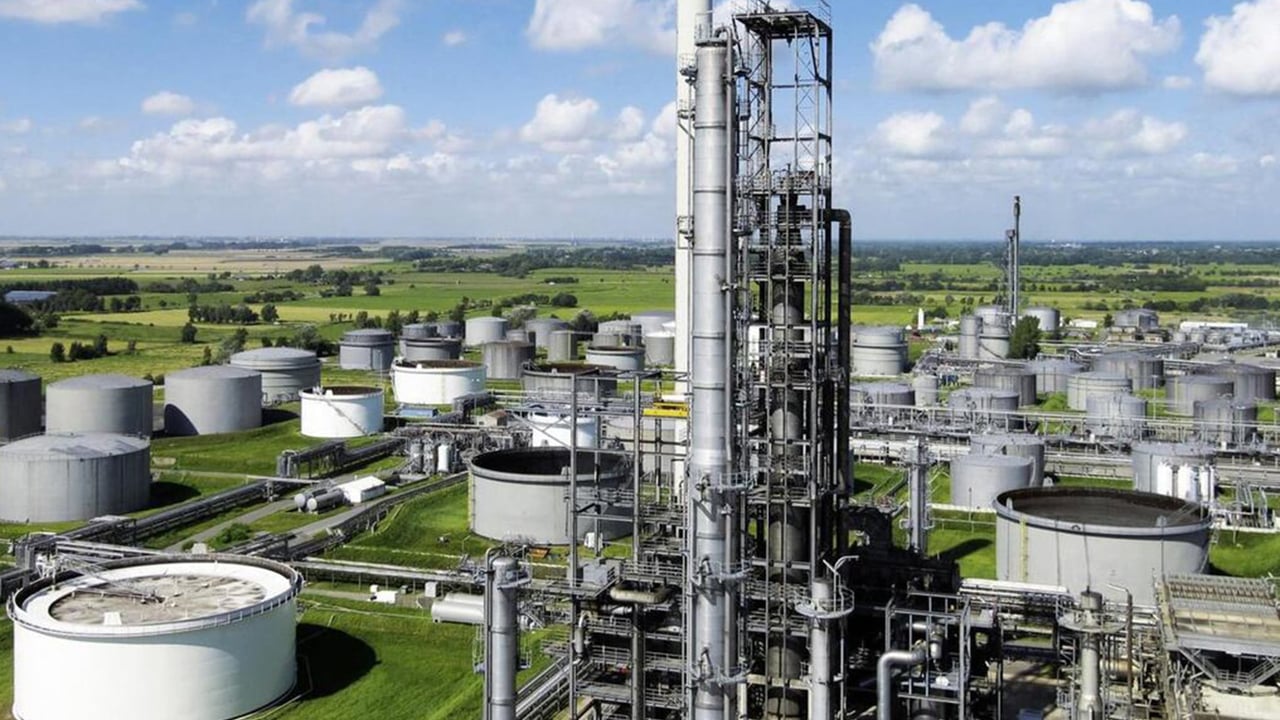

Cameroon’s strategic pivot in oil refining
The national oil refinery Sonara, headquartered in Limbé, is undergoing a significant strategic shift. After years of relying on private partnerships for its operations, the Cameroonian government has decided to prioritize a public partnership model to revitalize the sector. This move marks a departure from past approaches, signaling a new phase for the country’s energy infrastructure.
Why the change?
The decision comes as part of a broader effort to strengthen state control over key economic sectors. Analysts point to several factors behind this shift:
- National sovereignty: Enhancing Cameroon’s independence in refining and distributing petroleum products.
- Economic stability: Reducing reliance on foreign entities to mitigate price volatility and supply chain risks.
- Infrastructure modernization: Investing in upgrades to meet growing domestic demand and export potential.
Previously, Sonara had collaborated with international partners under the Parras 24 initiative, which aimed to optimize refining capacity. However, the new strategy emphasizes public-led development to ensure long-term sustainability.
What’s next for Sonara?
The transition to a public partnership framework is expected to unfold in phases. Key priorities include:
- State-led investments: Allocating public funds to modernize refining units and expand storage capabilities.
- Policy reforms: Adjusting regulatory frameworks to attract private co-investors while maintaining majority state ownership.
- Technical upgrades: Implementing advanced technologies to boost efficiency and reduce environmental impact.
Industry observers suggest this model could serve as a blueprint for other African nations seeking to balance private sector involvement with national economic goals.
Challenges ahead
While the shift promises long-term benefits, challenges remain. Funding constraints, bureaucratic hurdles, and global market fluctuations could slow progress. Yet, the government remains committed to leveraging Sonara as a cornerstone of Cameroon’s energy security.
As the refinery enters this new chapter, stakeholders will closely monitor its performance and the broader implications for the country’s energy landscape.