speaking out against Ousmane Sonko carries risks in Senegal
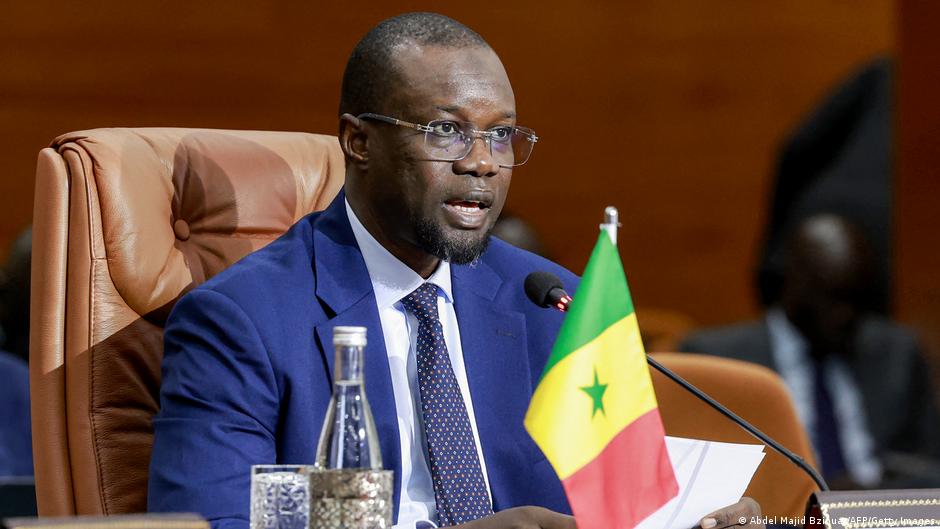
In Senegal, public criticism of Ousmane Sonko has become a high-stakes gamble. The president of the national assembly wields significant influence, and his supporters maintain a formidable online presence that often turns against those who dare challenge him. Civil society leaders and journalists report growing concerns about an atmosphere of intimidation that stifles open debate.
Critics and opponents of Sonko frequently face coordinated smear campaigns on social media, orchestrated by the most ardent members of his Pastef party. This digital aggression creates a climate of fear, pushing many to self-censor rather than risk online harassment or worse.
Sonko’s rhetoric has only intensified since assuming office. Shortly after taking over as prime minister in early april 2024, he issued a stark warning to the media:
“We will no longer tolerate media outlets publishing unverified claims under the guise of press freedom. Reliable sources are non-negotiable.”
judges under fire
Sonko’s confrontational stance extends to Senegal’s judiciary. In november 2025, during a meeting, he accused certain judges of obstructing financial investigations and perpetuating the very system he has long opposed. His remarks sparked outrage among legal professionals.
setbacks for women’s rights
Women’s rights advocates also highlight concerning regressions. Ossama Monique Sagna, a prominent feminist activist, points to the stagnation of key legislative progress. Despite a 2010 parity law, implementation remains weak. The current government has fewer women in ministerial roles than its predecessor under former president Macky Sall—seven versus four, representing just 13% of cabinet positions. This decline has fueled public disappointment and debate.
Sagna emphasizes that core feminist demands remain unmet. “Structural progress has stalled,” she explains. “The family code reform, which continues to discriminate against women, remains unresolved. The Maputo Protocol’s provisions on reproductive rights and protection from gender-based violence have seen little advancement. Cases of feminicide and gender-based violence are rising, yet government responses remain inadequate.”
In 2025 alone, Senegal recorded approximately 18 feminicides, a stark reminder of the urgent need for action.