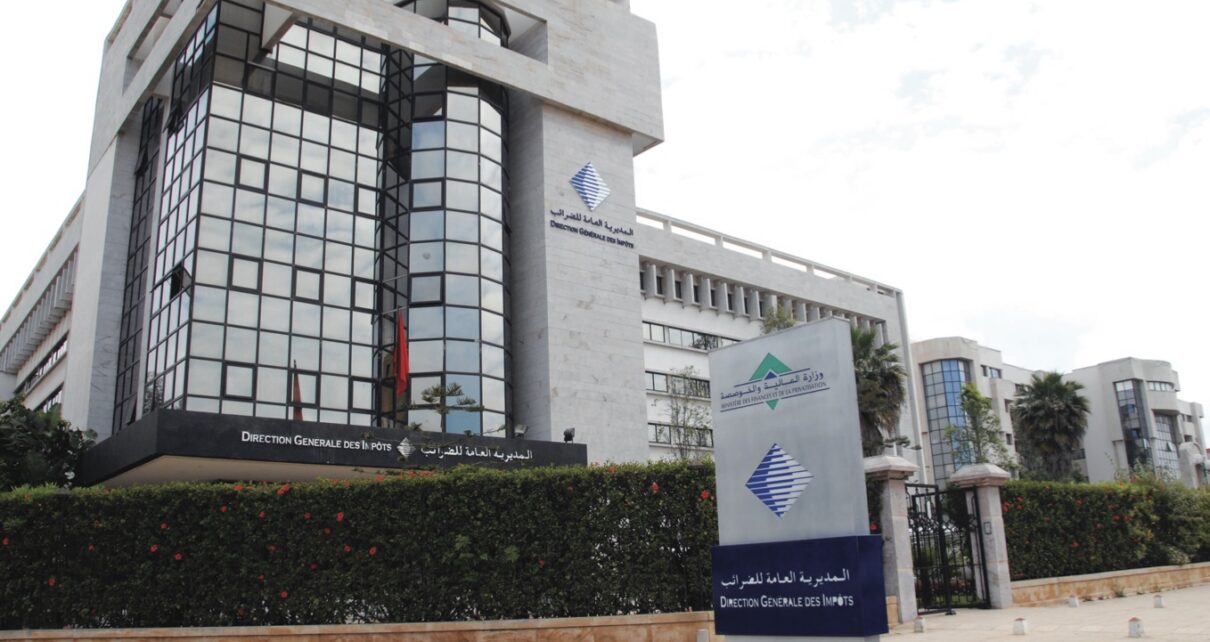
Digital platforms have seamlessly woven themselves into the fabric of daily life. From Meta and X to Netflix and Airbnb, these services now drive economies far beyond mere entertainment or social connection. In Morocco, this transformation has reached a critical juncture. As of June 11, 2026, the General Tax Administration has introduced a dedicated platform for taxing digital services, marking the end of years of fiscal ambiguity and opening a new chapter in economic oversight.
The notion that virtual interactions can fuel real-world economies is no longer theoretical. Nobel laureate Paul Romer’s insights into technological progress underscore this shift: innovation is not accidental but a calculated economic driver. Social networks, born in hubs like MIT and Silicon Valley, exemplify this principle. They were designed, funded, and scaled because they promised profitability—today, they dominate global attention and commerce.
Consider the scale: over 36.5% of all internet time is now spent on social media, according to industry data. Nearly half of users rely on these platforms to stay connected, while one-third turn to them for entertainment or news. Behind these interactions lies a lucrative advertising ecosystem, accounting for roughly 85% of platforms’ revenue. The influencer marketing sector alone surged from $800 million in 2015 to $16.4 billion in 2022, driven by engagement rates as high as 96%—far outpacing traditional brand content.
Morocco is no exception to this digital revolution. With 23.8 million social media users—63.4% of the population—local businesses and entrepreneurs are tapping into vast audiences. Platforms like YouTube (21.5M users), Facebook Messenger (8.35M), and TikTok (5.97M adults) have become indispensable tools for customer acquisition. As Mohcine Benachir, CEO of Prestige Informatique, notes, “The digital economy is no longer a niche; it’s a daily reality shaping Morocco’s business landscape.” Yet, despite its ubiquity, this economy remains largely untapped by national fiscal frameworks.
For years, Moroccan enterprises and media outlets have faced an uneven playing field. Local players pay taxes from their first dirham earned, while global giants like Google and Meta operate tax-free, capturing 60-70% of the online advertising market. In 2022 alone, Google reported $60 billion in net profits—primarily from ad revenue—yet contributed nothing to Morocco’s coffers. Every ad dollar spent on these platforms drains foreign currency from the economy, with no return.
Breaking the tax deadlock
On June 11, 2026, Morocco’s General Tax Administration launched its “Taxation on Digital Services” platform, accessible via the SIMPL portal. Foreign providers—including Netflix, Spotify, Google, Meta, Airbnb, and Uber—must now register, declare revenues earned in Morocco, and remit VAT quarterly. The decree (2-25-862), published in December 2025, mandates strict compliance: registration, quarterly filings (due by the first month of each quarter), and detailed transaction logs subject to audits.
The move aligns Morocco with over 30 countries adopting digital services taxes, guided by OECD standards. Beyond revenue—estimated at 500 million to 1 billion dirhams annually—the reform addresses a historic competitive disparity. Local startups and media have long operated at a 20% disadvantage, taxed from day one while global players skirt fiscal obligations. As Ouassim Driouchi, Telecommunications and Innovation Partner at BearingPoint, explains, “This isn’t a Moroccan innovation but a necessary alignment with global norms.”
Sovereignty, data, and local innovation
The stakes extend beyond tax revenue. Digital services taxation empowers Morocco to reclaim control over data flows, consumer habits, and economic models embedded in these platforms. As one analyst notes, “It’s about more than money—it’s about shaping the rules of the digital economy.” By requiring VAT payments and declarations, the country can redirect spending from Facebook ads to local platforms, fostering homegrown alternatives to Meta and Google.
Yet challenges remain. The platform’s success hinges on real-time data integration: cross-referencing IP addresses, Moroccan phone prefixes (+212), and banking details to track digital consumption. This presents an opportunity for Morocco to build a “4.0 tax administration”, leveraging advanced analytics and interoperability with banks and telecoms. Still, global giants may contest the rules, and local players must unite to counterbalance their dominance.
As Mounir Jazouli, former head of the Moroccan Advertisers Association, emphasized, “Collaboration is key. Local publishers and startups must pool resources to create competitive, high-performance alternatives to Gafam.” Without this, the tax reform risks being a hollow gesture in an uneven economic landscape.