Gabon and African Development Bank launch priority projects pact
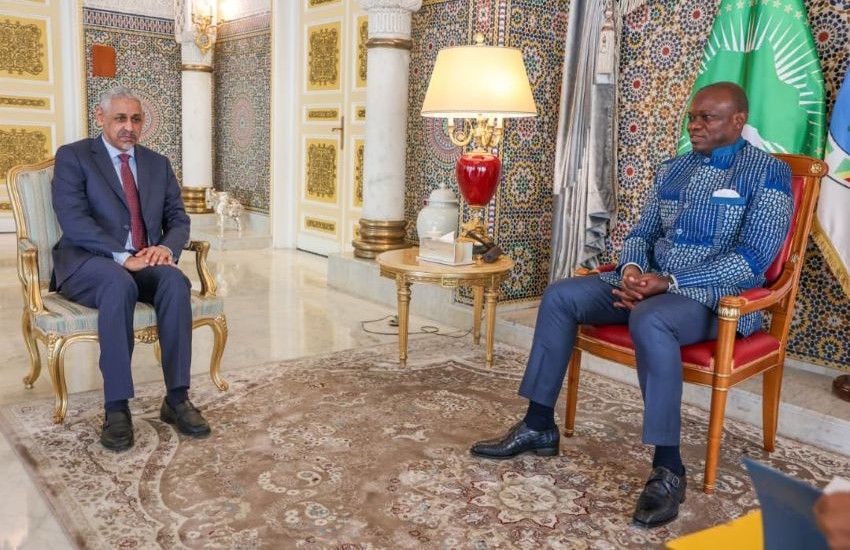
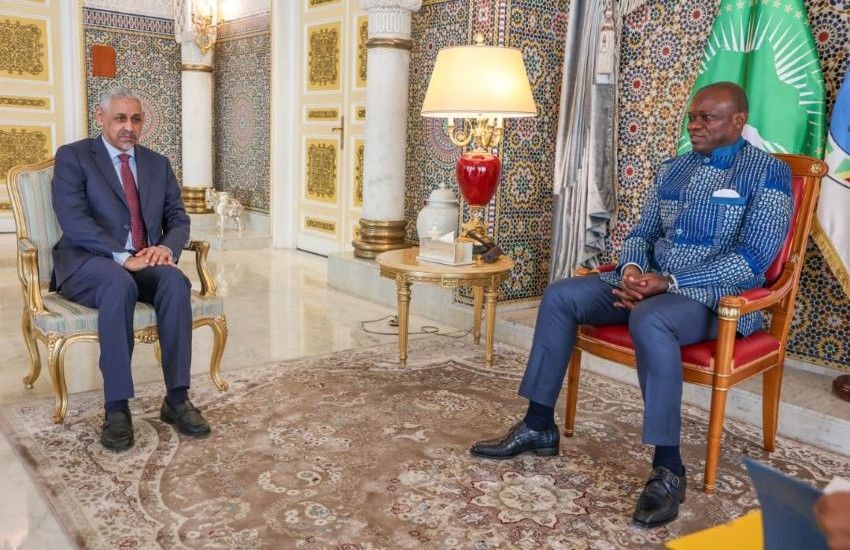
Libreville, Saturday, August 15, 2026 — The partnership between Gabon and the African Development Bank (BAD) is entering a new phase. On Friday, August 14, Gabonese President Brice Clotaire Oligui Nguema welcomed Sidi Ould Tah, the newly appointed BAD president, for a meeting that went beyond routine portfolio reviews. This high-level exchange focused on concrete ways to accelerate development and improve living conditions for Gabon’s citizens.
The discussions centered on two critical sectors: water and electricity access, and agricultural transformation. These areas directly impact households while shaping the nation’s economic competitiveness. President Oligui Nguema emphasized the urgency of addressing these challenges, which have long strained public confidence in government services.
Water and electricity: the foundation of national progress
Gabon’s ability to meet growing demand for water and electricity remains a top priority. The Komo River, with its abundant resources, presents a strategic opportunity to boost supply. The BAD has pledged to support infrastructure development and capacity-building initiatives to ensure sustainable, uninterrupted access to these essential services.
This collaboration extends beyond construction projects. It aims to create a robust, long-term solution that enhances service quality, reliability, and accessibility for all citizens. The goal is clear: transform available resources into dependable public utilities that reduce daily hardships.
Agriculture: breaking free from import dependency
The second pillar of this partnership targets Gabon’s agricultural sector. Despite its natural endowments, the country remains heavily reliant on food imports—a vulnerability exposed by global market fluctuations and supply chain disruptions. President Oligui Nguema has called for a shift toward local production and food self-sufficiency.
The strategy involves financing agricultural value chains, supporting smallholder farmers, and modernizing rural infrastructure. By fostering private sector participation and improving market access, Gabon aims to create jobs, strengthen rural economies, and secure its food supply. The BAD’s role will be pivotal in aligning these efforts with measurable socioeconomic outcomes.
From funding to tangible impact
The Libreville meeting marked a turning point in Gabon-BAD relations. While both parties reaffirmed their strong partnership, the focus shifted toward projects with direct, measurable benefits for citizens. The emphasis is no longer solely on financial commitments but on their real-world effects—whether better infrastructure, reliable services, or thriving local industries.
For Gabon, the challenge lies in translating these agreements into sustained, well-executed projects. For the BAD, success will be measured by its ability to address the country’s most pressing constraints—not just through funds, but through innovation, efficiency, and lasting solutions.
The August 14 talks set the stage for a new era of collaboration. Water, electricity, and agriculture are no longer just sectors; they are benchmarks for a partnership that prioritizes results over rhetoric. In a climate where citizens demand visible progress, the true test will be whether these initiatives deliver meaningful, long-term change.