Tchad: street vendors’ rise and the hidden burden on children
In Chad’s bustling markets, women dominate street vending—but at what cost to their children’s futures? Between economic survival and lost childhoods, the trade-off remains stark.
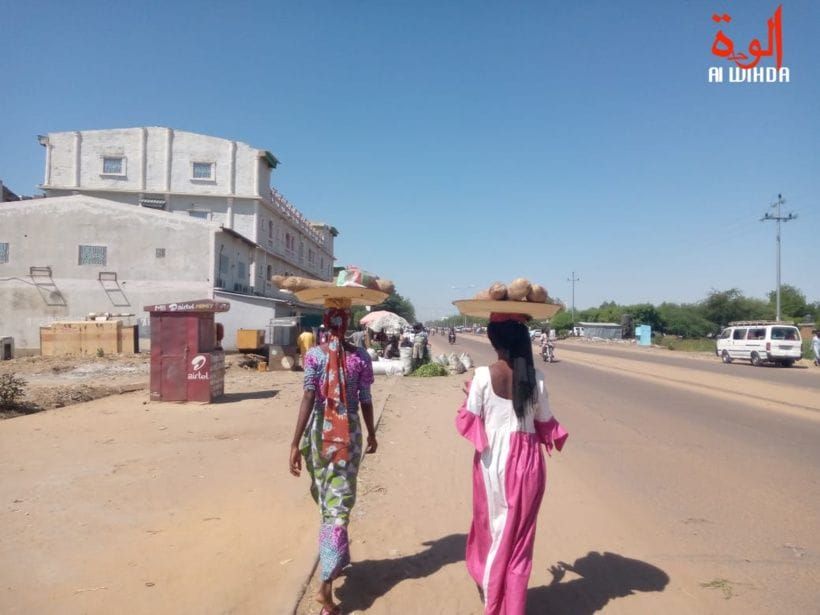
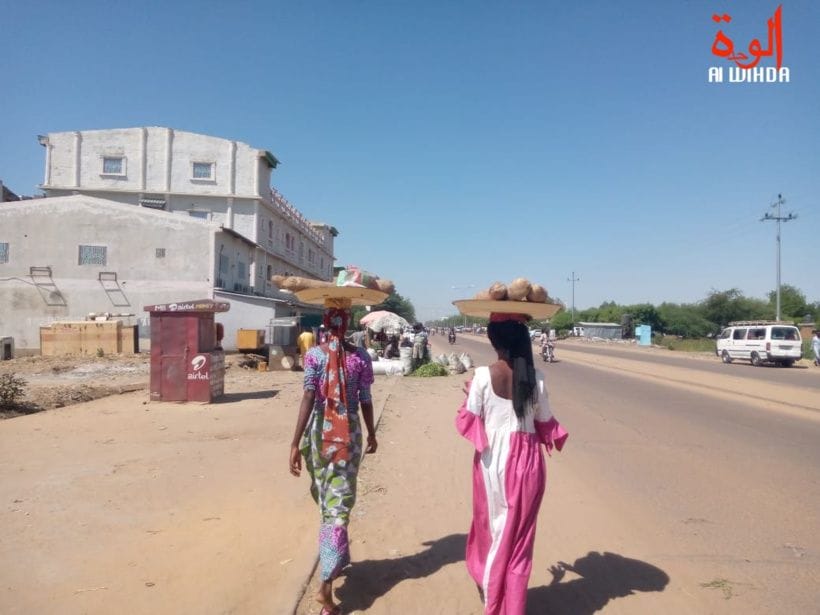
From sunrise to dusk, women balance towering baskets of fresh mangoes, golden beignets, or vibrant fabrics as they navigate Chad’s crowded streets. Their voices rise above the din of motors and pedestrians, their colorful headscarves shielding them from the relentless sun. In cities like N’Djamena, Moundou, and Abéché, this movement shows no signs of slowing—it’s a tide reshaping the urban landscape.
Aïcha, in her thirties, trudges forward with her youngest child strapped to her back, hawking roasted peanuts. “It’s tough, but now I call the shots,” she shares, extending a handful of nuts to a passerby. Nearby, Fanta flips flatbreads on a makeshift grill, her five-year-old son squatting in the dust, playing with a scrap of plastic. These women, once confined to household confines, now command the pavements. They haggle, carry, and endure—each transaction a testament to newfound independence.
But the cost is often paid by the smallest among them. Children cough in the acrid smoke of charcoal grills, doze off under the weight of overloaded bags, or beg for shade in the sweltering heat. In Abéché, a local recounts a recent sighting: a seven-year-old, bucket of water in hand, shouting “One franc!” while his mother negotiated the price of millet. Schoolbooks gather dust as these youngsters trade classrooms for chaotic market aisles. Is this the hidden face of women’s empowerment—a mother’s liberation bought with her child’s future?
Day after day, the cycle continues. Women shoulder their burdens, physically and economically, while their children stumble in their shadows. What future awaits these children in the relentless rhythm of Chad’s street markets?