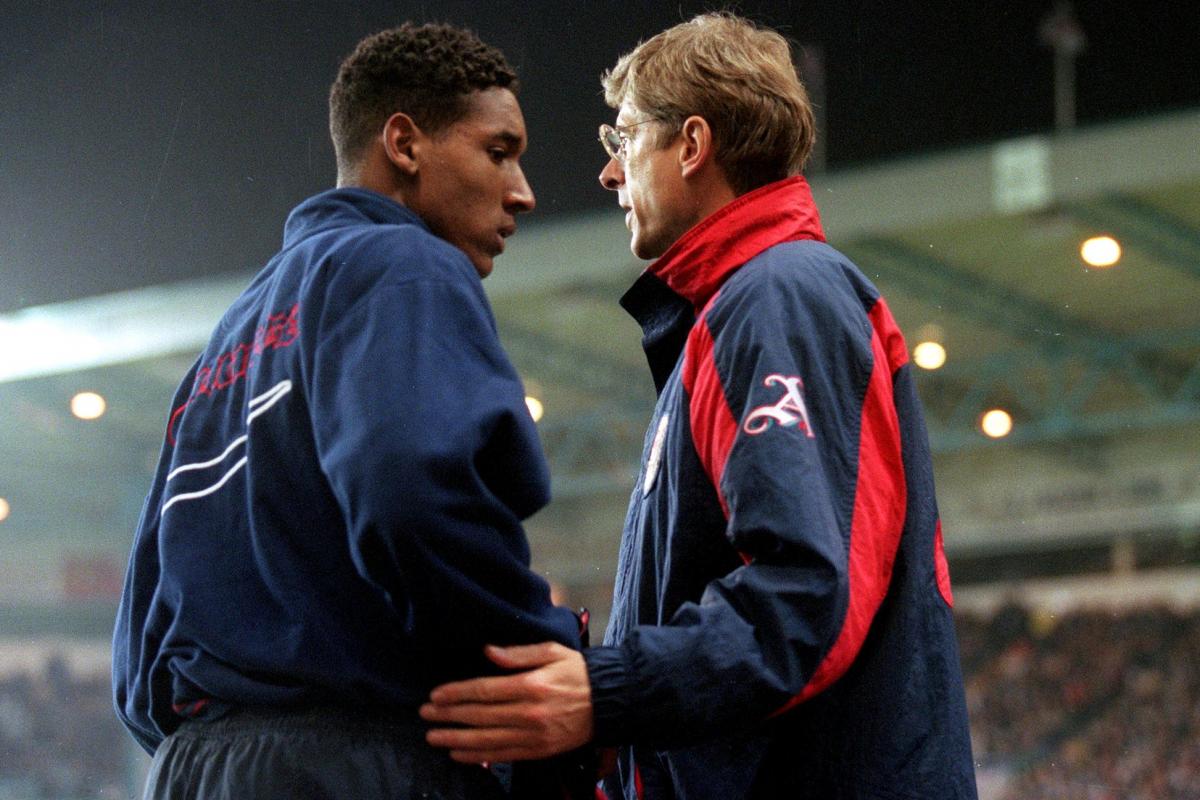
On February 22, 1997, the atmosphere at the PSG headquarters was thick with tension as president-delegate Michel Denisot attempted to maintain a composed exterior. He was there to announce that 17-year-old striking sensation Nicolas Anelka would be moving to Arsenal on a six-year deal. While the Parisian side managed to secure roughly 5 million francs (equivalent to about €1.19 million today) in the transaction, the young forward emerged as the clear victor of a five-week standoff. His monthly earnings were set to skyrocket from a mere 3,800 francs to a staggering 500,000 francs upon his arrival in London.
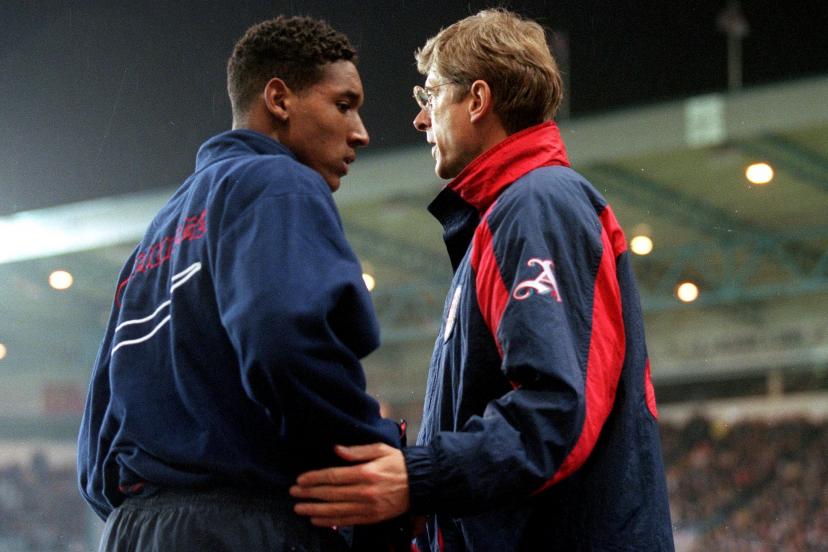
The young Anelka did not hold back when discussing the deal. He pointed out that despite the club’s insistence that he would never be allowed to leave, an agreement was reached. To him, the outcome proved who had truly won the battle. This bitter conclusion followed a promising start for the Trappes native, who had been developed at the prestigious Clairefontaine academy. After making his top-flight debut against Monaco in early 1996, he was hailed as a potential superstar by coach Ricardo following a brilliant performance against Lens.
However, the relationship soured quickly. Despite PSG offering a professional contract, Anelka felt his path was blocked by established names like Rai, Leonardo, and Patrice Loko. The final straw came in December when the club brought in Cyrille Pouget on loan from Servette FC, a move the teenager interpreted as a complete lack of faith in his abilities. He noted that young players at the club rarely got their chance, often remaining on the bench well into their twenties.
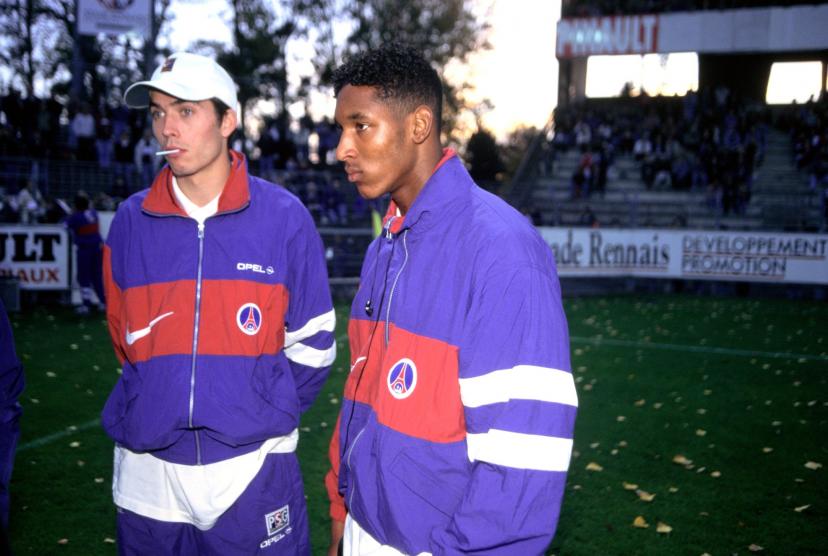
Arsène Wenger, the Arsenal manager, recognized the opportunity and moved swiftly. After a discreet visit to the London facilities during the winter break, the Anelka camp informed PSG of the player’s intent to leave when his trainee contract expired in June. The situation escalated on January 13 when Arsenal vice-chairman David Dein sent a formal fax announcing their intent to contact the player. By the next morning, a six-year contract had been signed in a Paris hotel.
A legal showdown in the wake of the Bosman ruling
The news hit PSG like a bombshell. On the day he was expected to start a major European Super Cup match against Juventus Turin, Anelka was instead banished from the team hotel and sent back to his studio in Saint-Germain-en-Laye. Michel Denisot was livid, describing the player’s actions as incredibly rude and demoting him to the youth academy. There were even threats of a forced loan to Servette FC to derail his move to England.
French football authorities, led by Noël Le Graët, attempted to block the transfer, arguing that national regulations required trainees to sign their first professional contract with their formative club. Yet, Arsène Wenger remained unbothered, citing European law. He argued that the 1995 Bosman ruling had changed everything: once a contract ends, a player is a free agent. Even FIFA‘s Sepp Blatter seemed to support the move, suggesting that young talents should have the freedom to join major clubs to build their careers.
Facing a losing legal battle, PSG eventually negotiated a quick exit. Years later, Denisot reflected on the era, admitting that while it was a difficult period, the club simply had no leverage against a player determined to leave. Arsenal‘s investment paid off handsomely. Anelka became a star in the Premier League, winning the PFA Young Player of the Year award before being sold to Real Madrid in 1999 for a massive 220 million francs.
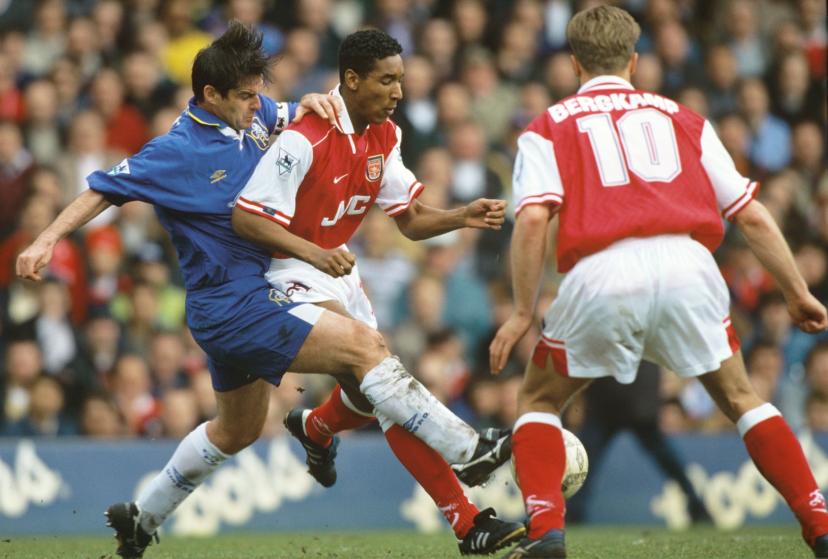
Despite the initial bitterness, Denisot eventually reconciled with the London club, later coordinating other transfers with Wenger and even maintaining a friendly professional relationship with the Dein family. The 1997 saga remains a landmark moment in football history, illustrating the shift in power between clubs and emerging young talents in the post-Bosman landscape.