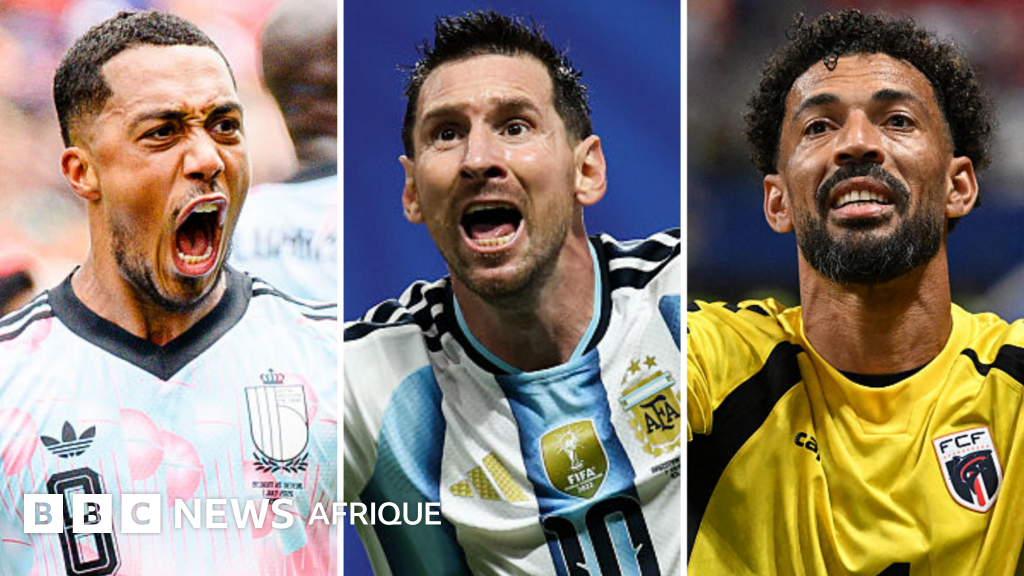
2026 World Cup: record goals, thrilling comebacks and drama that may make it the greatest ever
Stunning goals, heart-stopping turnarounds, nail-biting suspense until the final whistle, and outright surprises—this World Cup has delivered spectacle after spectacle.
With the quarter-finals just days away, eight teams remain in the hunt for the ultimate prize in global football. But has this edition set a new benchmark for greatness?
As ever, beauty lies in the eye of the beholder. For some, their first World Cup experience will always stand out. For others, it’s about their nation’s journey. Memories are deeply personal.
Yet when we look at the numbers, this tournament compares favourably to any that came before it.
Goals pouring in like never before
Across 104 matches, 280 goals have been scored—a goals-per-game average of 2.92. That’s the highest since Mexico 1970, when 95 goals in 32 games produced an average of 2.97.
Compare that to recent tournaments: 2.69 in Qatar 2022, 2.64 in Russia 2018, 2.67 in Brazil 2014, and 2.27 in South Africa 2010.
Germany’s 7–1 thrashing of Curaçao set the scoring benchmark, but seven other games produced six goals each, and 13 more ended with five.
Even more telling: 74.6% of all goals came from open play—the highest ratio in World Cup history—while just 5% arrived from the penalty spot, the lowest ever recorded.
Late drama that keeps fans on the edge of their seats
Goals in the final minutes have become a signature of this World Cup. In the knockout rounds, eight matches were decided after the 85th minute. Argentina needed extra time to overcome Cape Verde, a plucky underdog, and four games went to penalties.
The 90th minute alone saw 10 decisive strikes—the most in a single World Cup.
In July alone, at least three matches have already entered football folklore: Belgium, Argentina, and England all came from behind to win 3–2 against Senegal, Egypt, and Mexico respectively.
Belgium and Argentina both erased two-goal deficits in the final stages—a feat not achieved more than once in a single tournament since 1970.
England’s triumph came despite 40 minutes a man down—after Jarell Quansah was sent off—and a heroic rearguard display inside the deafening Azteca Stadium in Mexico City.
The competition has also produced eight goalless draws—the most in World Cup history. But far from spoiling the party, many see it as proof of the tournament’s competitive balance.
Fans fill stadiums despite sky-high costs
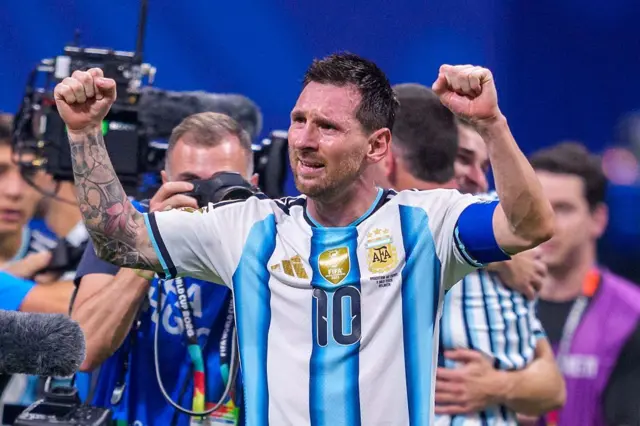
Early concerns over empty seats and muted atmospheres due to record ticket prices proved unfounded. The stands have stayed packed.
FIFA reports a 99.7% stadium occupancy rate—over 4.4 million fans in the group stage alone, rising to 6.2 million across the first two knockout rounds.
Average attendance now tops 65,000 per game, a figure only surpassed at the 1994 U.S. World Cup, where crowds averaged just under 69,000.
Big names are also front and centre. The race for the Golden Boot is wide open: Lionel Messi leads with eight goals, Kylian Mbappé and Erling Haaland both have seven, and Harry Kane has six.
It’s the first time three players have hit seven or more goals in a single World Cup.
Underdogs shine as small nations write history
With 48 teams in the mix, fears of one-sided games never materialised. Instead, some of the most memorable stories have come from football’s minnows.
Curaçao, the smallest country ever to qualify, recovered from a 7–1 drubbing by Germany to draw with Ecuador. Qatar, despite a 6–0 loss to Canada, held Switzerland—eventual quarter-finalists—to a 1–1 draw.
Cape Verde, inspired by veteran goalkeeper Vozinha, stunned the world by holding Spain, Uruguay, and Saudi Arabia to draws before pushing two-time champions Argentina all the way in a dramatic 3–2 extra-time loss in the Round of 16.
Controversies cast a shadow over the tournament
Sky-high travel and accommodation costs left many supporters counting every dollar. Hydration breaks drew mixed reactions—welcomed in extreme heat but booed when introduced indoors or during rain.
The tournament’s length—nearly six weeks from June 11 to July 19—has tested patience, especially with domestic leagues set to resume just over a month after the final. Player welfare and fixture congestion are growing concerns.
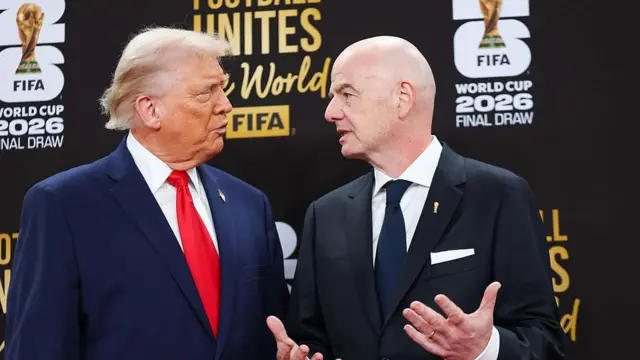
Controversial refereeing decisions and the fallout from a high-profile red card have sparked accusations of political interference. American striker Folarin Balogun was sent off against Bosnia-Herzegovina, yet his suspension was controversially overturned after a call between FIFA’s Gianni Infantino and former U.S. President Donald Trump—making Balogun the first player in World Cup history to avoid suspension for a red card since 1962.
The decision drew sharp criticism from UEFA, Belgium’s squad, and England manager Thomas Tuchel, who claimed it added motivation for his players.
Can the final act live up to the hype?
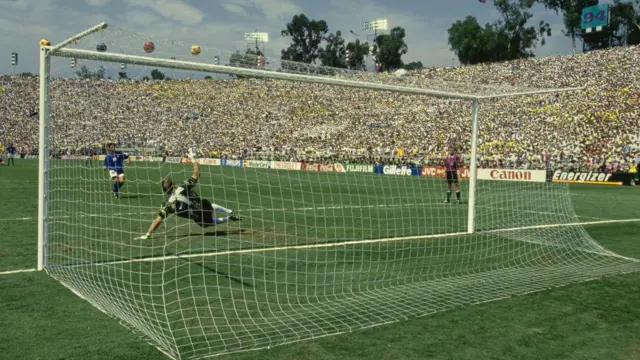
So far, FIFA can be proud. The games have been thrilling, the stadiums full, and the global fan culture has delivered unforgettable moments.
With ten days left, the stage is set for more drama. Yet the final verdict on this World Cup will hinge on the last few matches. Lacklustre finals have tarnished past editions, while a sensational climax in Qatar four years ago turned the tide of public perception.
Now, with four of the world’s top-ranked teams—Argentina, Spain, France, and England—still in contention and all in scintillating form, the quarter-finals promise knockout theatre. If the semis and final match the excitement, this could indeed become the greatest World Cup of all time.
Whatever happens, it’s already unmissable.