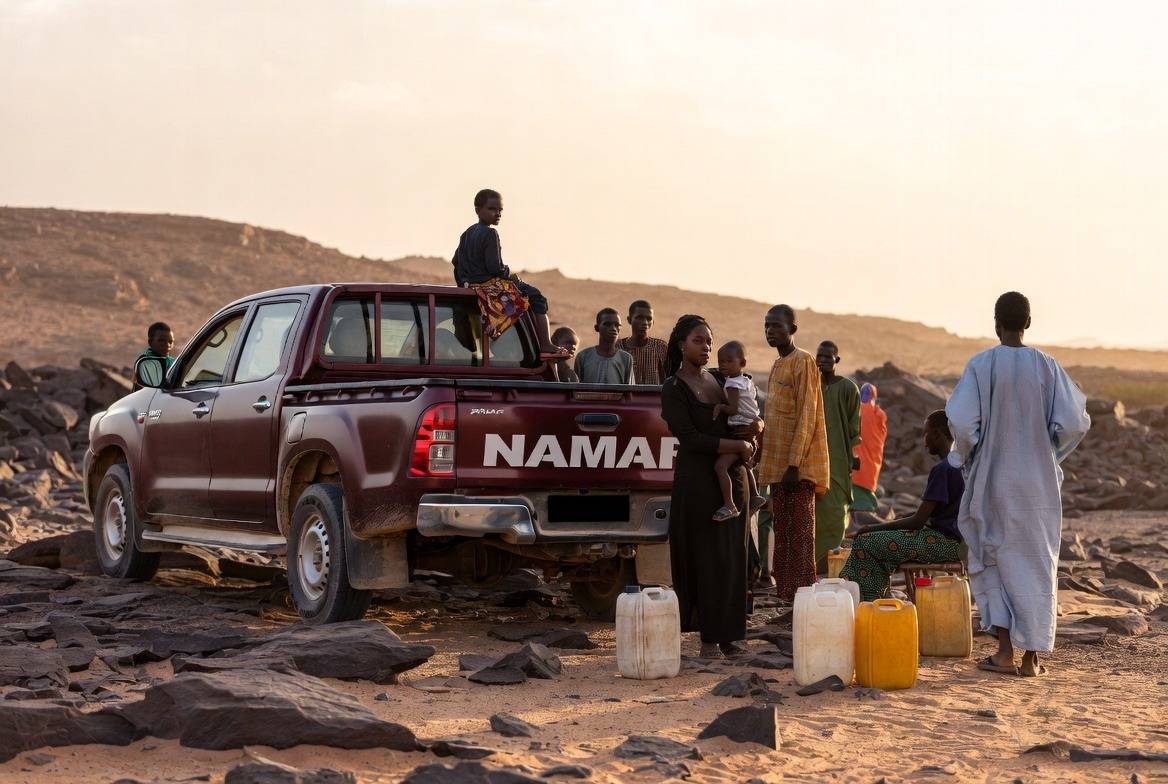
The Ténéré desert in northern Niger is a vast, unforgiving expanse of sand—stunning in its desolation yet deadly in its harshness. While global attention often centers on the tragedies of the Mediterranean, the perilous crossing of the Sahara each year claims the lives of thousands of migrants, their stories unfolding far from the scrutiny of Western media.
In 2025, the desert’s grim reputation was further cemented. Reliable data from humanitarian networks operating in the region indicates that at least 35 individuals perished within Niger’s desert borders over the past year. Local aid workers emphasize that this figure is almost certainly an undercount, given the sheer scale of the terrain and the challenges of tracking such tragedies.
A treacherous route to uncertain futures
For migrants from West African nations such as Mali, Guinea, Senegal, and Burkina Faso, the journey toward Europe often passes through the Libyan or Algerian corridors. Agadez, a key urban hub in Niger, serves as their final point of respite before the harrowing ordeal of the Ténéré begins.
The recurring causes of these fatalities remain disturbingly consistent:
- Mechanical failures: Overloaded and poorly maintained vehicles frequently break down in the most remote stretches of the desert.
- Abandonment by smugglers: Fearing military patrols, some smuggling networks leave migrants stranded in the desert to evade detection.
- Extreme conditions: Without landmarks or shade, temperatures soaring past 50°C, and scarce water supplies, dehydration and exhaustion can prove fatal within hours.
A local activist, who requested anonymity, described the desert’s merciless nature: “Once a vehicle fails and water runs out, survival is measured in mere hours. Many bodies are buried by the wind before anyone can raise the alarm.”
The unintended consequences of security policies
Human rights advocates argue that the silent catastrophe unfolding in the Ténéré is a direct result of policies that push migration routes into the shadows. Although Niger’s ruling authorities repealed the 2015 legislation criminalizing migrant smuggling in late 2023, the pathways remain clandestine—and increasingly perilous.
To evade surveillance by Nigerien security forces, smugglers now favor remote detours, significantly increasing the risk of migrants becoming lost or stranded indefinitely.
Civil society’s urgent call to action
In response to the escalating crisis, grassroots organizations are working to document these tragedies and coordinate rescue efforts. Networks of local vigilantes, supported by humanitarian groups, attempt to issue alerts and provide assistance. However, limited resources and restricted access to certain military zones severely hamper their efforts.
Until the root causes of migration persist and legal pathways remain closed, the sands of Niger will continue to conceal the human toll of those seeking a better life. For the families of the missing, often left in agonizing uncertainty, the Ténéré desert remains an open wound—a place where loved ones vanish without a trace.