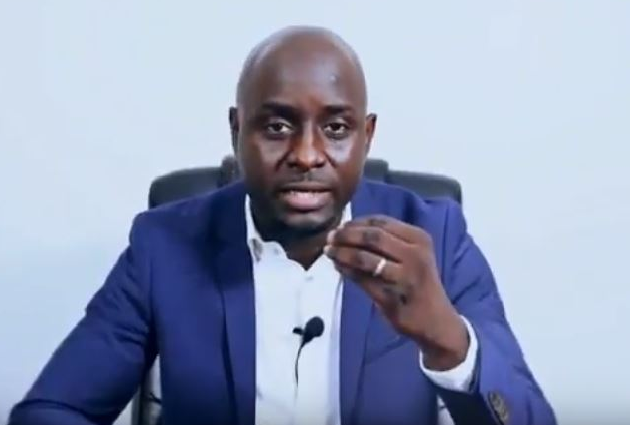
The recent technical consensus reached between Senegal and the International Monetary Fund (IMF) has ignited intense domestic political discussions. Thierno Bocoum, who leads the Agir-Les Leaders movement, is calling on the state authorities to provide complete clarity regarding debt management strategies and the specific conditions tied to this fresh financial initiative.
The former parliamentarian is advocating for the immediate release of the official memorandum outlining economic and financial policies. Alternatively, he insists that the document be submitted directly to the National Assembly, ensuring a democratic legislative review of the obligations undertaken on behalf of the nation’s citizens.
However, the political figure’s scrutiny extends beyond the current administration. He has also pointed fingers at Ousmane Sonko and Abdourahmane Sarr, identifying them as key players whose actions precipitated the ongoing complications surrounding national debt and relations with the international lender.
In reference to Ousmane Sonko, who held the position of Prime Minister from April 2, 2024, to May 22, 2026, the opposition leader asserts that his tenure placed him at the center of the dialogue with the IMF. He criticizes Sonko for his involvement in the consultations that ultimately led to the halting of the previous economic support program.
Furthermore, he highlighted the September 2024 disclosures concerning alleged discrepancies in public debt statistics. According to him, this public communication directly triggered the suspension of IMF assistance and subsequently damaged the country’s financial stability.
The Agir-Les Leaders president also drew attention to the government’s reliance on regional financial markets, pointing out that these loans carry interest rates far exceeding those of concessional credit options.
Abdourahmane Sarr faced with questions
In addition, Thierno Bocoum raised concerns over the shifting positions of Abdourahmane Sarr, the former Minister of Economy, Planning, and Cooperation. He pointed out clear contradictions in how the former minister has characterized the sustainability of the national debt over time.
He recalled that the ex-minister previously championed the soundness of the nation’s debt and the reliability of its reduction path, only to later acknowledge that the government was seeking corrective measures to restore fiscal stability.
Ultimately, the political leader emphasizes that all decision-makers involved in managing these financial portfolios must take responsibility for the current economic hurdles.
These demands for accountability emerge just as Senegal secures a crucial milestone in its negotiations, finalizing a technical agreement with the IMF for a brand-new economic and financial framework.