From economic promises to financial quagmire
The Togolese government’s recent transition to a tailor-made fifth Republic, celebrated by officials, contrasts sharply with an economic landscape marred by deepening crises. Despite years of financial support from international donors, the country’s financial health has deteriorated, leaving citizens grappling with worsening poverty.
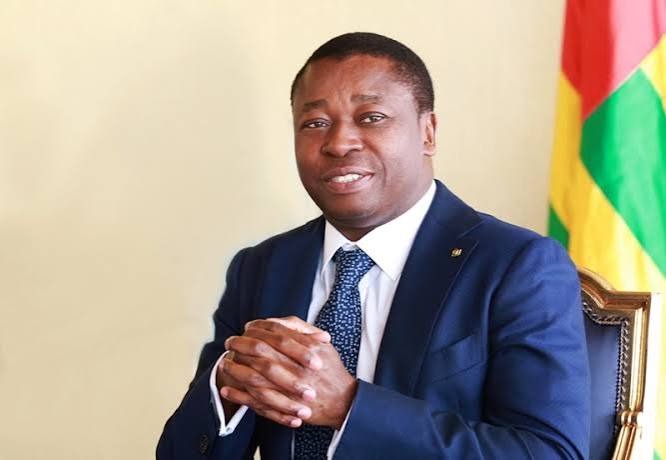
The narrative of economic modernization and stability, often repeated in government circles, fails to conceal a harsher truth: Togo’s finances under President Faure Gnassingbé have become a bottomless pit. Billions in CFA francs have flowed into infrastructure projects, yet tangible returns remain elusive for the local economy.
The Lomé port, frequently showcased as a symbol of progress, has done little to bolster state revenue or reduce public debt as promised. Instead, the country faces a mounting financial burden that stifles productive investment and perpetuates dependency on external funding.
Debt that suffocates growth
The national debt continues to devour a disproportionate share of public funds, leaving little room for critical investments. Despite repeated pledges of economic reform, the reality is stark: debt servicing consumes resources that could otherwise fuel job creation and industrial growth.
Projects touted as transformative have fallen short of expectations. While announcements of new infrastructure roll in, the promised economic benefits—jobs, industrialization, and sustainable development—remain largely unrealized. An economist familiar with the region noted, « International partners keep funding Lomé, driven by geopolitical and security imperatives, but the financial efficiency and accountability of these expenditures remain glaringly absent. »
The widening social divide
As financial mismanagement deepens, ordinary Togolese bear the brunt of the crisis. Inflation erodes purchasing power, while heavy tax burdens on the informal sector and a lack of economic opportunities push households to the brink. From the bustling markets of Lomé to the remote villages of the Savanes region, access to essentials like food, healthcare, and electricity is increasingly out of reach for many.
The shift to a parliamentary system and institutional reforms have done little to address these challenges. Instead, they appear to serve as a mechanism to redistribute power within the ruling elite without addressing past financial mismanagement or ensuring greater accountability.