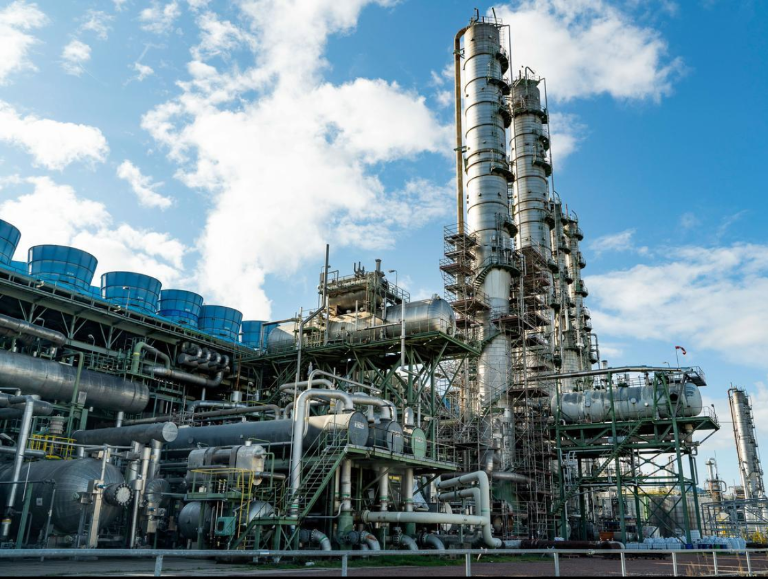
Why the UEMOA’s phosphate plan matters for west African farmers and businesses
An industrial push backed by the West African Monetary and Economic Union (UEMOA) is poised to redefine agriculture across the region. With a regional investment program reaching 1.45 trillion West African CFA francs (about 2.2 billion euros) from 2026 to 2030, the bloc is betting big on phosphate-driven fertilizer production. The program is designed not just to extract raw materials, but to transform them into high-value agricultural inputs—closer to the farmers who need them most.
Togo has been selected as a key industrial hub within this strategy, thanks to its long-standing phosphate reserves and existing mining infrastructure. Yet the project’s true impact will be measured not in mineral volumes, but in the ability of West African households and businesses to grow more food with less reliance on foreign fertilizers.
The regional gamble: turning phosphates into regional self-sufficiency
Despite abundant phosphate deposits across West Africa, the region remains heavily dependent on imported fertilizers—subject to volatile global prices and unpredictable supply chains. The UEMOA’s initiative aims to reverse that trend by establishing local processing centers that convert raw phosphate into ready-to-use fertilizers, tailored to regional soil and crop conditions.
Togo’s involvement is pivotal. The country has exported raw phosphate for decades, often at low margins. Now, the government and regional partners are exploring how to retain and upgrade that raw material into intermediate and final fertilizer products. This could unlock new industrial jobs, strengthen supply chains, and reduce the region’s vulnerability to international shocks.
What 1.45 trillion FCFA means for Togo and its private partners
The program’s budget is split across public and private investors. The UEMOA estimates that the private sector will play a leading role, contributing around 1.19 trillion FCFA, while member states—including Togo—are expected to contribute 239.5 billion FCFA. This division signals a clear call to action for banks, industrial players, and international financiers to support infrastructure, processing plants, and logistics.
For Togo, this translates into a race to define financing mechanisms, secure land permits, and align local incentives with regional priorities. Timelines, risk-sharing models, and long-term supply agreements must be finalized to ensure that industrial plants become operational and sustainable.
From raw mineral to regional fertilizer: the transformation challenge
Success hinges not only on financing, but also on technical execution. Togo’s phosphate reserves are well-documented, but turning them into market-ready fertilizers requires significant capital, energy, and skilled labor. The UEMOA’s strategy includes building blending units near agricultural hubs, ensuring that fertilizers are not only produced, but also distributed efficiently to smallholder farmers.
Without reliable infrastructure and access to affordable electricity, even the most promising project risks stalling. Local communities, cooperatives, and agribusinesses stand to benefit the most—but only if the industrial pipeline operates at scale and with consistent quality.
Beyond Togo: a test of regional cooperation and industrial sovereignty
The initiative goes beyond national borders. The UEMOA is placing a bet on collective strength: pooling phosphate reserves, technical expertise, and market access across eight member states. If successful, the project could demonstrate how regional blocs can reduce external dependencies and foster shared prosperity.
The road ahead is clear: mobilize investors, finalize industrial blueprints, and deliver fertilizers that work for West African soils. The phosphate under Togo’s soil is not just a resource—it’s a potential engine for food security, industrial growth, and economic independence across the region.