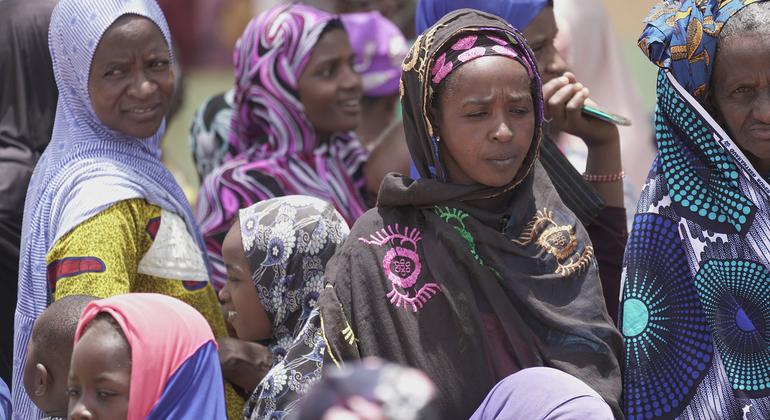
UN panel highlights severe human rights violations targeting the Fulani in Burkina Faso
The United Nations Committee on the Elimination of Racial Discrimination has raised alarm over widespread human rights abuses suffered by the Fulani community in Burkina Faso. According to independent investigators, extrajudicial killings, torture, arbitrary detentions, abductions, and enforced disappearances have surged during military and security operations against jihadist groups in the Sahel region. These acts reveal a disturbing pattern of repression and targeted violence.
Systemic abuses and ethnic profiling
The UN Committee underscored that these violations are allegedly committed not only by national armed forces and internal security agencies but also by affiliated groups such as the Volontaires pour la défense de la Patrie and non-state armed factions. A particularly troubling concern is the alleged ethnic profiling of Fulani individuals by defense forces, the Volontaires pour la défense de la Patrie, and members of the Brigade civique pour l’ordre et la discipline (commonly known as Brigade Laabal).
These abuses are often unjustly linked to the Fulani community’s alleged association with terrorist organizations, fueling a climate of hatred and discriminatory rhetoric. The Committee has documented calls for violence and hate speech—particularly on social media—urging criminal acts, including murder, against Fulani individuals. Such incitement not only threatens lives but also exacerbates ethnic tensions and fuels racially motivated crimes.
Urgent calls for accountability and reform
The UN experts have strongly urged the Burkinabè government to take immediate action, including:
- Launching thorough, independent, and impartial investigations into all reported violations allegedly committed by security forces and their affiliates;
- Holding perpetrators accountable through fair trials and appropriate sanctions;
- Enacting clear legal measures to prohibit racial and ethnic profiling, in line with international human rights standards;
- Implementing binding operational guidelines for police and law enforcement to prevent discriminatory practices during identity checks, public order interventions, and military operations.
The Committee emphasized that beyond punitive measures, Burkina Faso must adopt preventive strategies to safeguard all communities from racial and ethnic discrimination.
Burkina Faso rejects allegations of ethnic targeting
In response to the UN Committee’s findings, Burkina Faso has firmly denied accusations of ethnic profiling or discriminatory practices in its counter-terrorism operations. Sabine Bakyono Kanzie, Permanent Representative of Burkina Faso to the UN in Geneva, stated that military and security operations strictly adhere to national laws and international human rights commitments. She argued that the campaign against terrorism targets no specific ethnic group but is conducted with full respect for human dignity.
The Burkinabè delegation highlighted existing mechanisms, such as complaint procedures, community policing initiatives, and training programs for defense and security personnel, designed to prevent stigmatization. It also pointed to the ethnic diversity within state institutions, including high-level representation of the Fulani community, as evidence of the country’s inclusive approach.
While Ouagadougou maintains its commitment to human rights, the UN Committee’s report underscores the urgent need for transparency, accountability, and decisive action to dismantle systemic discrimination and protect vulnerable communities in Burkina Faso.