Côte d’Ivoire’s PDCI party in turmoil: legal challenges mount against Tidjane Thiam
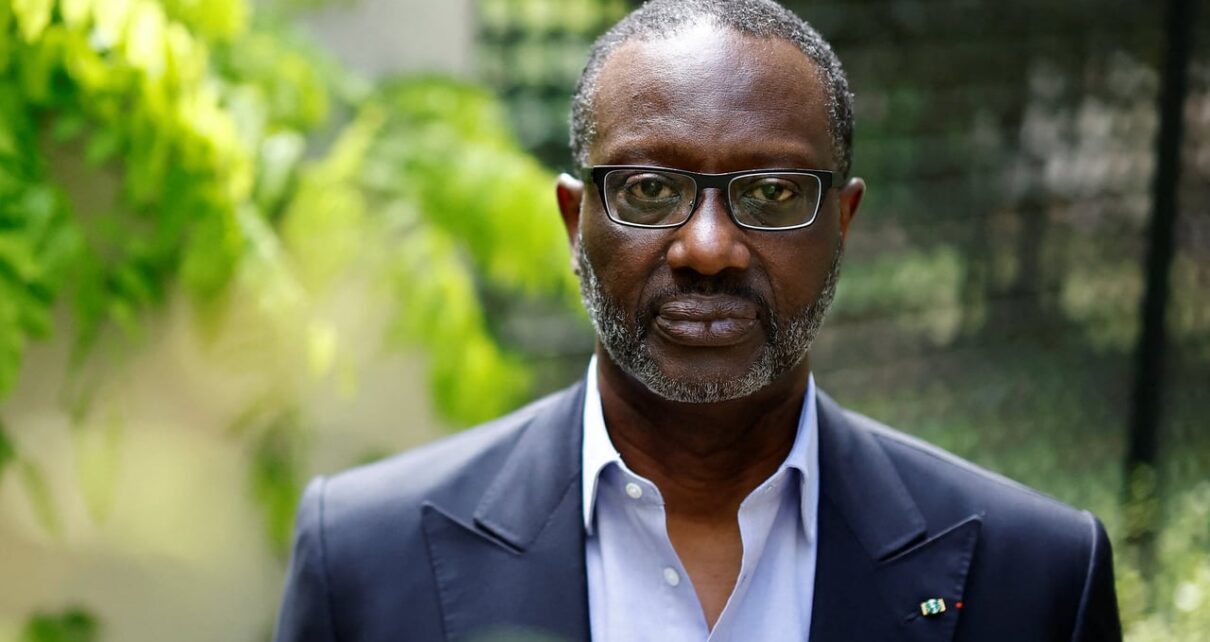
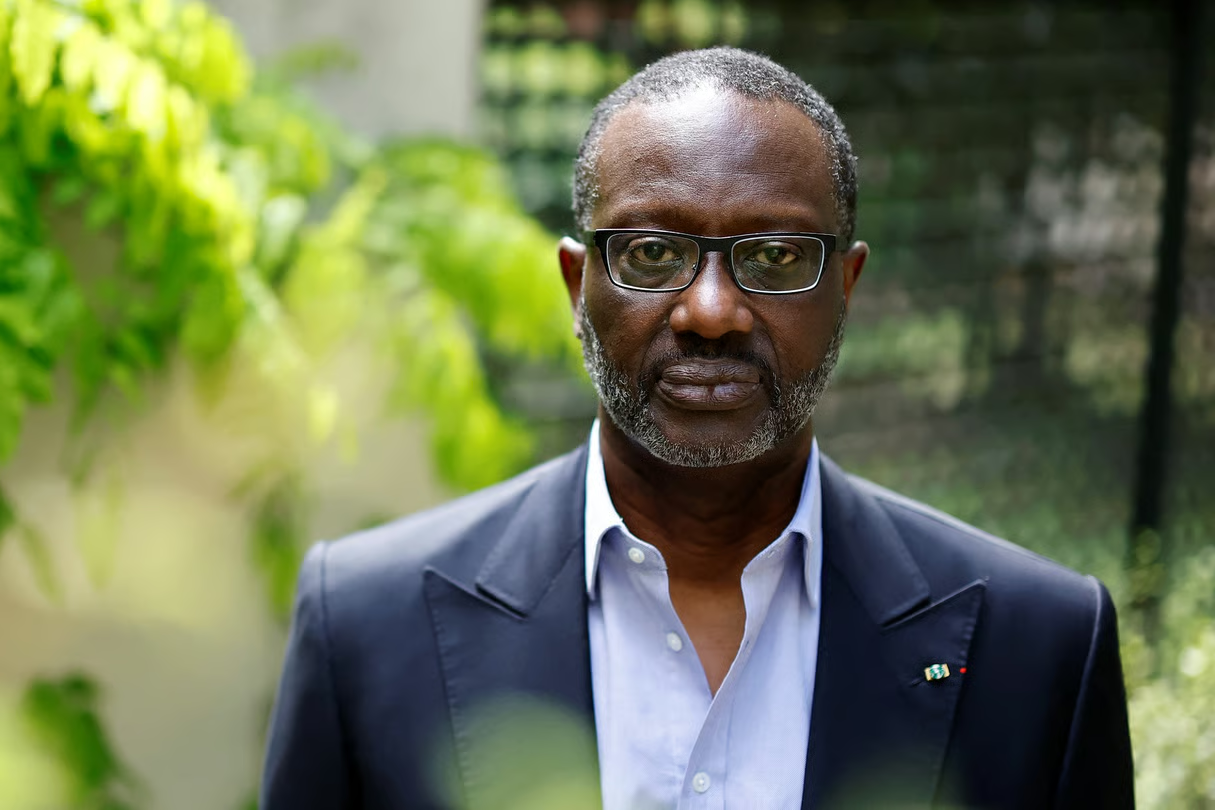
Côte d’Ivoire’s political landscape has been shaken by escalating legal proceedings targeting Tidjane Thiam, the prominent leader of the Democratic Party of Côte d’Ivoire (PDCI). These judicial developments have sent shockwaves through the opposition alliance, raising critical questions about the future direction of one of the country’s oldest political institutions.
What triggered the judicial investigations?
The legal troubles for Thiam and the PDCI stem from multiple allegations that have surfaced in recent months. Investigators are examining financial irregularities linked to party funding and potential conflicts of interest involving high-ranking officials. While specific charges remain under seal, insiders confirm that financial audits have uncovered discrepancies in declared assets and undeclared income streams.
Critics argue that these probes reflect deeper systemic issues within the PDCI, particularly regarding transparency and internal governance. Party officials have dismissed the allegations as politically motivated attempts to destabilize a key opposition force ahead of critical electoral cycles.
Procedural milestones in the legal saga
The judicial process has unfolded through several key phases:
- Preliminary inquiries: Initial investigations began with subpoenas issued to party treasurers and financial officers, focusing on audit trails of campaign donations and operational expenditures.
- Evidence collection: Forensic accounting teams have been deployed to trace fund movements across domestic and international accounts linked to the PDCI.
- Witness testimonies: Multiple PDCI members, including former executives, have been summoned to provide statements regarding financial record-keeping practices.
- Preventive measures: In a rare move, authorities have frozen certain party assets pending further review, signaling the seriousness of the allegations.
PDCI’s response and strategic maneuvers
Facing mounting pressure, the PDCI has adopted a two-pronged defense strategy. Party leadership has publicly condemned the investigations as an abuse of power, vowing to challenge the legal basis of each procedural step in court. Simultaneously, internal reforms are underway to overhaul financial oversight mechanisms and enhance compliance with anti-corruption statutes.
Thiam himself has maintained a defiant public stance, arguing that these legal challenges are part of a broader campaign to undermine opposition voices in Côte d’Ivoire’s political arena. His supporters point to a pattern of selective prosecution targeting prominent figures who challenge the ruling establishment.
Broader implications for Ivorian politics
The unfolding crisis at the PDCI has far-reaching consequences for Côte d’Ivoire’s democratic trajectory. As the country prepares for pivotal elections, the legal travails of its leading opposition party could reshape the political balance of power. Analysts warn that prolonged instability within the PDCI may splinter its coalition, potentially benefiting ruling party candidates.
Meanwhile, civil society groups have called for restraint, emphasizing the need to uphold due process while preventing political instrumentalization of the judiciary. The situation underscores the delicate equilibrium between accountability and the preservation of democratic pluralism in Côte d’Ivoire.
What happens next?
Legal experts anticipate several potential outcomes in the coming months:
- Dismissal of charges: If investigations fail to produce conclusive evidence linking Thiam or the PDCI to criminal activity, proceedings could be terminated.
- Administrative sanctions: Even without criminal convictions, the party may face fines or restrictions on campaign activities based on administrative violations.
- Leadership changes: Internal pressure could force Thiam’s resignation or precipitate a leadership contest within the PDCI, reshaping its strategic direction.
- Judicial precedents: Rulings in these cases may set new standards for political accountability and financial transparency in Ivorian governance.
The coming weeks will be decisive in determining whether these legal challenges will strengthen democratic institutions or deepen political fragmentation in Côte d’Ivoire.