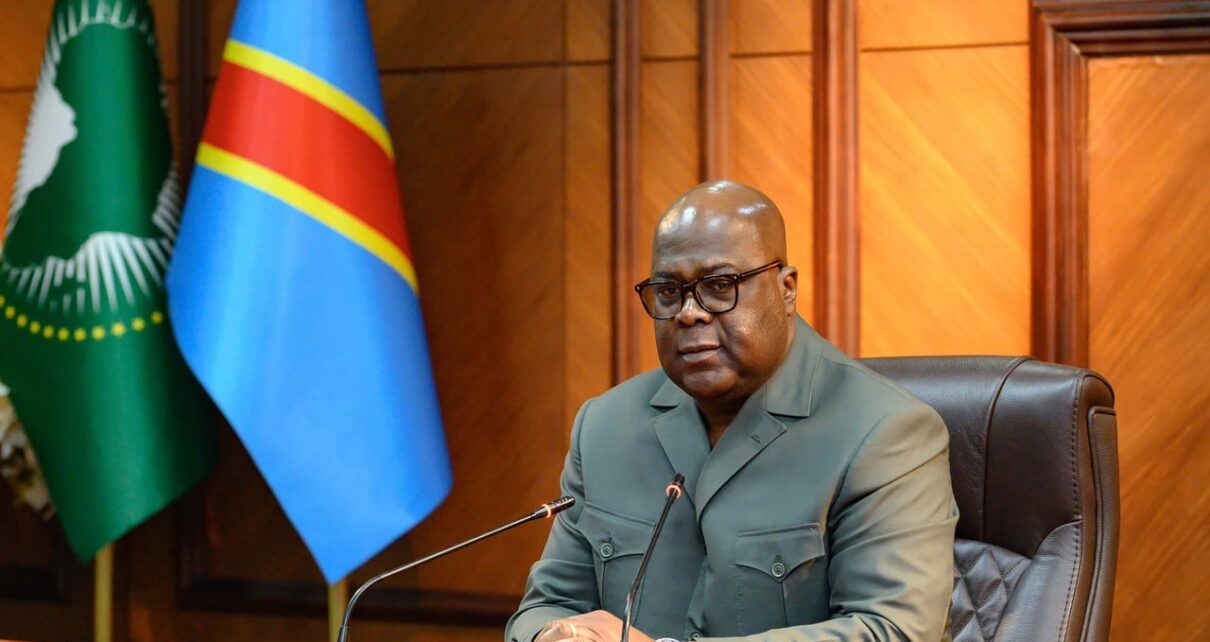
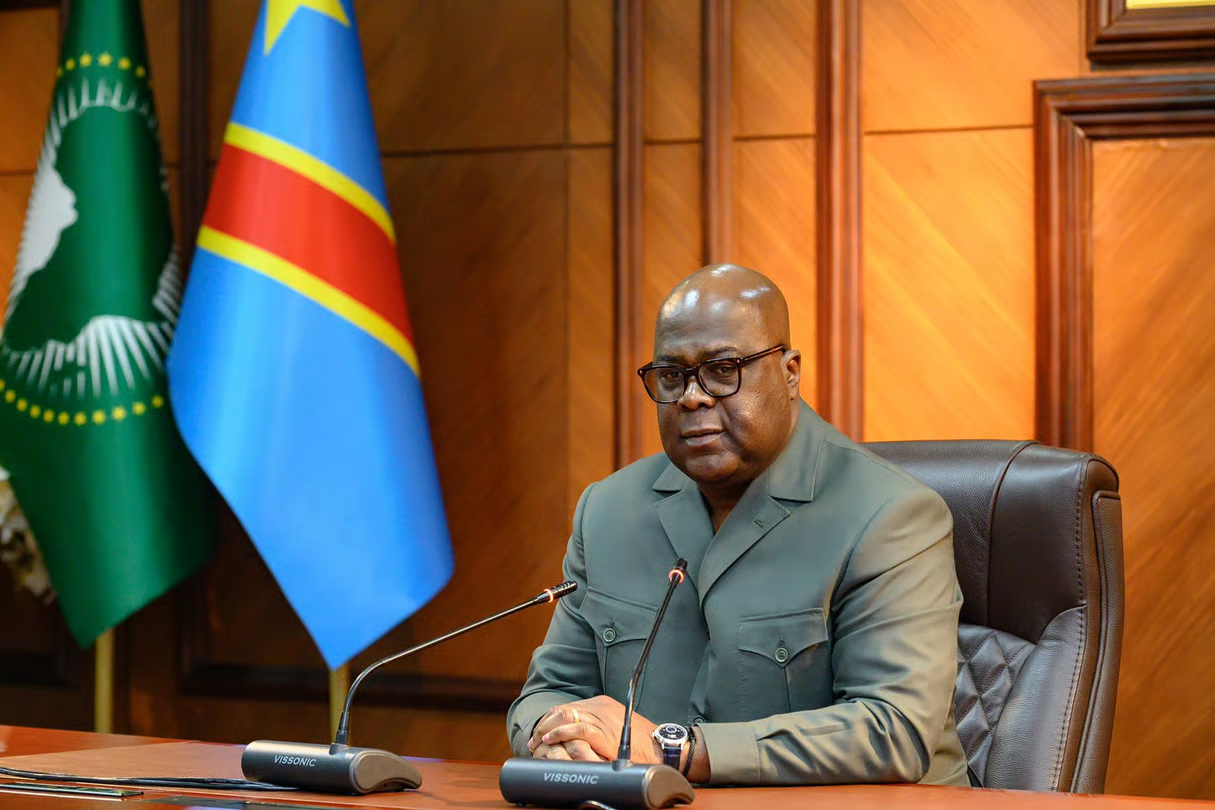
 Félix Tshisekedi, the President of the Democratic Republic of Congo, on July 10, 2026, at the African Union Union in Kinshasa.
On July 29, the Constitutional Court of the Democratic Republic of Congo (DRC) issued a decision on the country’s proposed constitutional referendum. The court’s ruling has significant implications for the future of the DRC and its people.
The court’s decision was made in response to a lawsuit filed by opposition groups challenging the constitutionality of the proposed referendum law. The law, which aims to reform the country’s electoral system and increase voter turnout, has been a contentious issue in the DRC for months.
The Constitutional Court’s ruling has sparked both excitement and concern among DRC citizens. Some see it as a victory for democracy and good governance, while others fear that the court’s decision will undermine the government’s efforts to reform the electoral system.
According to the court’s decision, the proposed referendum law is constitutional, but several provisions have been struck down due to concerns over their impact on the country’s electoral process. The ruling also sets out a number of conditions that must be met before the referendum can take place.
The DRC’s opposition groups have vowed to continue challenging the government’s plans for the referendum, citing concerns over the fairness and transparency of the process. However, supporters of the government see the court’s decision as a major victory, one that will help ensure the stability and legitimacy of the country’s democratic institutions.
As the DRC moves forward with its electoral reforms, citizens are eagerly awaiting news of the referendum date. The country’s future hangs in the balance, and the outcome of this critical vote will have far-reaching consequences for the DRC and its people.