
Unusual absence: Cameroon’s president continues Swiss stay
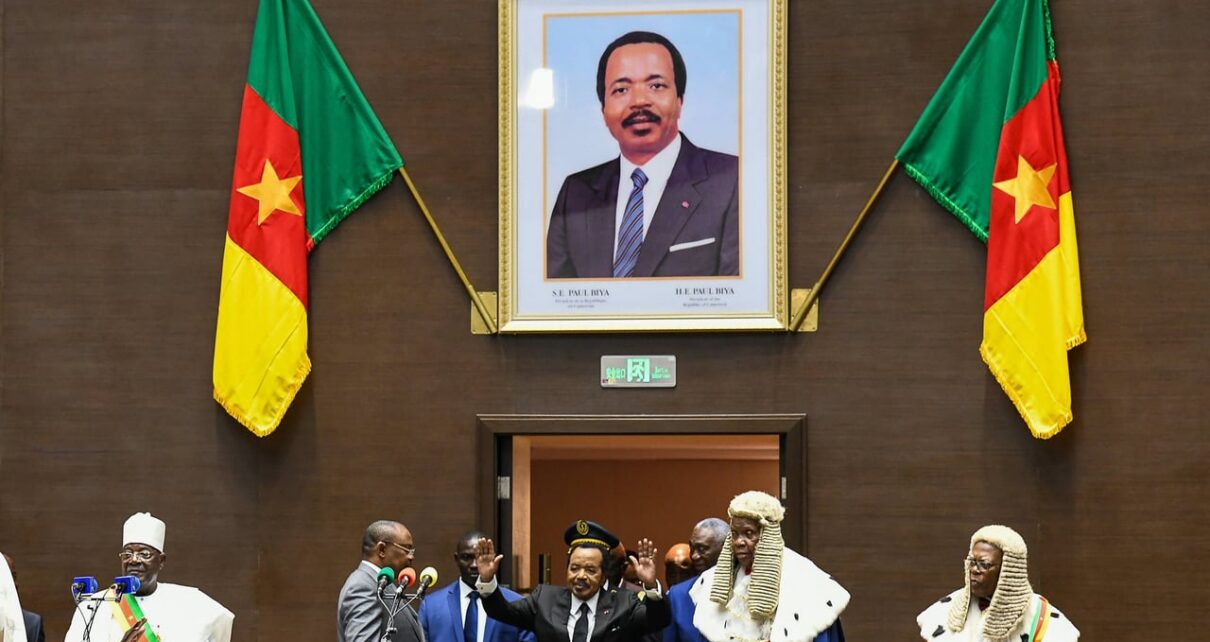
President Paul Biya, Africa’s longest-serving leader, remains in Switzerland weeks after his last public appearance in Yaoundé. His absence has sparked widespread speculation about potential health concerns or political maneuvers behind closed doors. The 90-year-old leader, who has governed Cameroon since 1982, was last seen in the capital on November 6, 2025, during a routine event.
Government officials have remained tight-lipped about his prolonged stay in Europe. No official statement has addressed his current health status, fueling rumors across political circles and social media platforms. The secrecy surrounding his absence contrasts sharply with the transparency expected from a nation preparing for potential leadership transitions.
Diplomatic silence amid growing concerns
The absence of a clear timeline for his return raises critical questions about Cameroon’s political stability. While state media has aired pre-recorded speeches from the president, no direct communication about his whereabouts or condition has been issued. This unusual silence has intensified discussions about succession plans and the readiness of institutions to handle a potential power vacuum.
In Yaoundé, government buildings operate under normal procedures, but behind the scenes, preparations appear to be underway. Security protocols around key institutions have been tightened, though authorities attribute this to routine measures rather than any specific threat.
Public reaction and political implications
Cameroonians are divided between concern for their aging leader and curiosity about the future direction of the country. Opposition figures have called for transparency, while ruling party members insist on patience, citing the president’s well-documented preference for discretion in personal matters.
The prolonged absence comes at a sensitive time. With regional tensions rising in Central Africa, the timing of Biya’s return—or lack thereof—could influence diplomatic relations and domestic stability. Analysts warn that prolonged uncertainty may embolden opposition movements or trigger internal power struggles.
Meanwhile, Franck Biya, the president’s son and influential advisor, has maintained a visible presence in Yaoundé. His activities are closely monitored, though no official role has been confirmed in his father’s absence. Speculation persists about his potential involvement in managing the situation, though concrete evidence remains elusive.
What happens next?
Until an official announcement is made, Cameroon remains in a state of suspended anticipation. The international community watches closely, as the country’s stability hinges on the president’s return or a structured transition. Whether Biya resumes his duties or delegates authority, the coming weeks will determine the trajectory of Africa’s second-longest presidency.