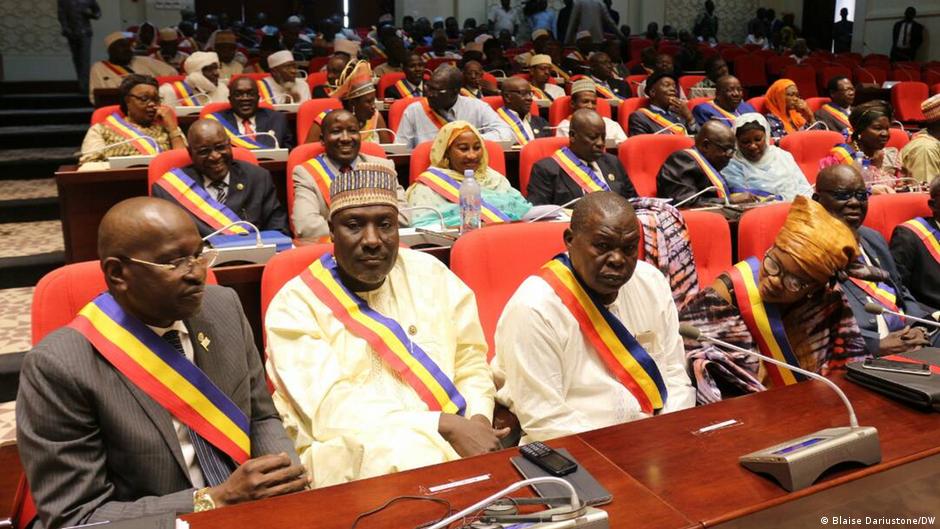
Since the early 2000s, African nations have been progressively implementing legislation to promote gender parity, particularly through quotas ensuring women’s representation in political institutions. While progress varies across the continent, Senegal and Chad stand out for their structured approaches.
Senegal’s parity law: a step forward with limits
In Senegal, the 2010 parity law mandates gender alternation on electoral lists for legislative and local elections. This has significantly boosted women’s presence in the National Assembly and municipal councils. However, the law does not extend to government appointments, which remain at the discretion of the president and prime minister. As a result, female representation in the cabinet depends entirely on political will.
Chad’s bold parity push: quotas in action
Chad took a more comprehensive approach with its 2018 parity ordinance, covering both elective and appointive positions. The 2021 enforcement decree explicitly aims for “equal access of women and men to decision-making bodies in elective and appointive roles.” This includes a mandatory 30% quota for women in government, major institutions, and central and territorial administrations.
Electoral reforms have also introduced mechanisms to boost female candidates on ballots. These efforts paid off in the 2024-2025 elections, where women secured 34% of seats in the National Assembly—64 out of 188 deputies. In the April 2026 government reshuffle, 12 women were appointed to the 37-member cabinet, achieving roughly 32% female representation.
While these figures mark steady progress, true gender equality remains elusive. Women continue to face systemic barriers—social, economic, and cultural—that limit their full participation in political life.