Even with the modern upgrades introduced by the Train Express Régional (TER), the original spirit of these transport hubs remains perfectly preserved. This conscious decision to protect their architectural soul ensures that Sénégal’s historical legacy is both honored and utilized in the modern era.
The enduring legacy of the Dakar and Rufisque landmarks
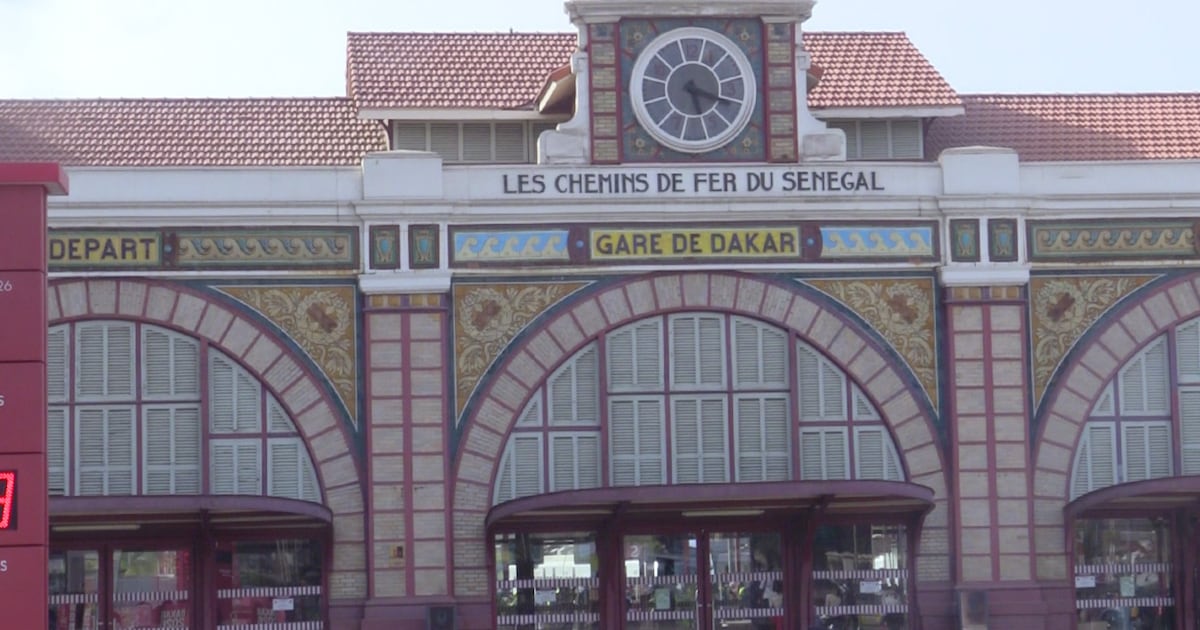
Inaugurated in 1914, the Dakar railway station served as the vital center of the Dakar-Niger rail network for many decades. Well before the era of independence, it stood as a powerful symbol of economic progress and regional trade throughout French West Africa. A similar importance was held by the station in Rufisque, which once functioned as a crucial hub for the peanut industry, linking the maritime port to the nation’s inland territories.
Following a long period of stagnation where road travel took precedence over rail, these two iconic buildings were revitalized by the launch of the TER initiative in 2019.
A living history for new generations
Today, the storied walls of these stations continue to captivate locals and international visitors. To many, these structures are far more than mere transit hubs; they represent a vital inheritance to be passed down through time.
For Dakar resident Amadou Diallo, maintaining the original architecture is essential for the preservation of collective memory. He views these buildings as an open-air history book. “By keeping the architecture of the Dakar station as it was, we are safeguarding our heritage. UNESCO has even recognized certain pre-independence infrastructures, such as the stations in Dakar and Rufisque, as protected historical sites. This explains their traditional look, and it is vital for children born after independence to recognize these stations as part of our national heritage,” he explains.
Moustapha Fall, a frequent traveler, echoes this sentiment. He believes the aesthetic beauty of these stations has become a tourist attraction in its own right. Despite various structural updates, the preservation of the colonial-era design provides a window into the lifestyles and construction techniques of the past. The station is so visually striking that it has become a popular destination for people simply looking to capture photographs.
Bridging the gap between eras
Now officially listed as historical monuments in Sénégal, the stations of Dakar and Rufisque embody a successful fusion of history and modernization. Notably, the old town of Rufisque has been included on the UNESCO World Heritage tentative list since 2005, confirming the exceptional value of its urban architecture.
According to traveler Victor Hugo Manga, this conservation effort is key to maintaining a connection between older generations and today’s youth, especially during a time of rapid urban development. He notes that the presence of these ancestral gems allows daily commuters and foreigners to inquire about their history. With the arrival of the TER, preserving this chapter of history allows students to understand how their grandparents lived and to appreciate the significant progress the country has made.
By balancing the high-speed efficiency of the TER with the timeless charm of century-old buildings, the stations in Dakar and Rufisque continue to evolve without losing their core identity. They remain the silent protectors of a shared memory that Sénégal is committed to keeping alive.