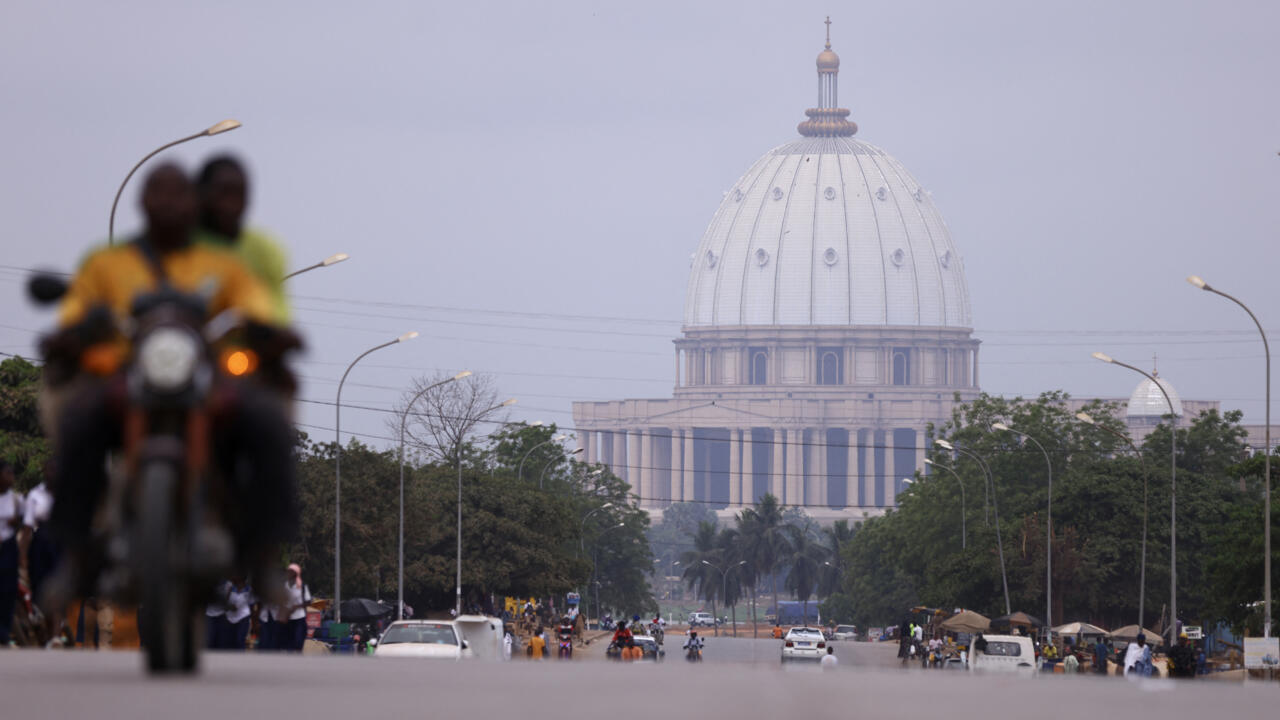
In Yamoussoukro, land values are soaring and construction sites are sprouting up everywhere. The Ivorian political capital is rapidly emerging as one of the country’s new focal points for real estate investment. This land rush is reshaping surrounding villages and sparking debates about the future of agricultural land.
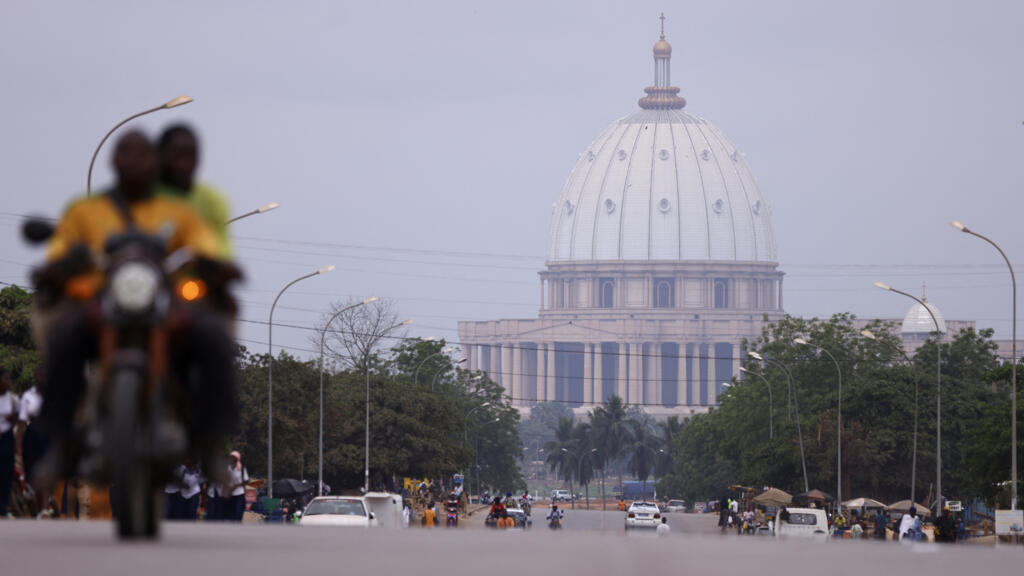
Real estate surge transforms Yamoussoukro’s landscape
From his drone’s perspective, estate agent Francis Djaha showcases parcels he markets to potential buyers. Against this backdrop of the Basilica of Our Lady of Peace—one of the country’s most iconic landmarks—dozens of plots are already demarcated. Prices for these lots range from 15 to 40 million West African CFA francs, depending on location and size. Djaha, who has spent five years in the real estate sector, notes a growing interest in Yamoussoukro: “We’re seeing individuals seeking residential properties, industrial investors, commercial buyers looking for office spaces, agricultural land seekers, and even those interested in ready-to-move-in homes.”
Throughout several neighborhoods, construction projects are multiplying as investors flock to the area. The capital’s appeal stems from multiple factors. “The roads are exceptionally wide, making travel seamless between locations. The city maintains remarkable tranquility, and the infrastructure President Houphouët-Boigny established here sets it apart from other urban centers. Most importantly, Yamoussoukro’s central location means you can reach any destination in the country with ease,” explains Djaha.
Arable land under pressure
The city’s advantages are drawing more buyers, including those from Abidjan, other Ivorian regions, and the diaspora. They’re attracted by relatively accessible prices and optimistic development prospects for the political capital. One entrepreneur, who prefers to remain anonymous, shares his experience: “Our goal is to develop a residential project that will serve the local population.”
However, this real estate frenzy is transforming villages surrounding Yamoussoukro. Once dedicated to cocoa, yam, and cassava cultivation, these lands are progressively giving way to housing developments. While this shift brings development hopes, it also raises concerns about the future of local communities’ land heritage. In Séman Sanhourikro, just a few kilometers from the political capital, Michel N’Goran, advisor to the village chief, voices these worries: “The housing developments are preventing us from farming our land. In 30 to 50 years, I fear the same fate that befell the Ebrié people in Abidjan will befall the Akouès and Nanafouès communities here in Yamoussoukro. We’ll have no farmable land left.”
The five-year National Development Plan includes a proposal to connect Abidjan to Yamoussoukro in just 45 minutes via a high-speed rail line, which would further enhance the political capital’s appeal.