When education falters, economies wobble: the 2026 student protest wave
The cost of a diploma has soared past affordability, crumbling classrooms sit empty of teachers, and bursary delays mean students skip meals to pay rent. Across eight continents in 2026, the most basic promises of education—opportunity, security, and upward mobility—have evaporated for an entire generation. From Dakar to Jakarta, young people are turning frustration into force, reshaping budgets, boardrooms, and ballot boxes alike. The question facing every capital is no longer if the next fiscal year will bend to these demands, but how quickly.
Europe’s classrooms become pressure cookers: France, Italy, Albania, Greece and Belgium under fire
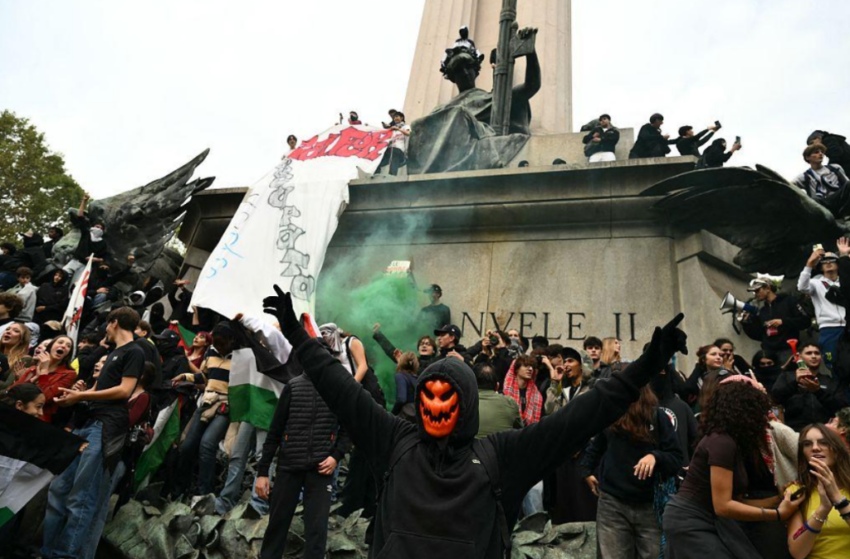
In France, the school calendar never recovered from September half-term. By 1 October, more than 1,000 high schools were either blockaded, on strike, or hosting open-air assemblies. Teachers vanished from timetables faster than chalk from dusty boards, leaving classes swollen to forty pupils. Students chanted slogans against “ghost timetables” and “paper degrees that buy no bread.” The government’s twin response—heavy police deployments and crisis task-forces—only deepened the perception that safety mattered more than scholarship. Where protests stayed peaceful, voices carried; where bottles met shields, the message fractured into noise.
Italy’s 16 October marches began with placards reading “Our brains are not for sale.” In Milan and Rome, thousands marched for free public universities and against a Meloni decree limiting immigrant pupil quotas in state classrooms. Firecrackers and Molotov cocktails turned peaceful vigils into city-centre arson scenes. Yet beneath the smoke, families fretted over winter heating bills—another economic layer stacking resentment on top of pedagogical neglect.
Albania’s 14 October firebombings set ablaze a university library and two bank branches in Tirana. Investigations later linked the arsons to bursary backlogs and corruption rumours swirling around education ministry officials. Water cannons and tear gas failed to douse the anger; arrests merely fanned it.
Belgium’s francophone lycées, echoing France but claiming autonomy, cited “budget guillotine cuts” that threatened free textbooks. When police cleared one Brussels square, footage of bruised teenagers fuelled weekend rallies across Wallonia. Again, the common thread was fiscal austerity meeting human urgency.
Africa’s campuses on hunger strike: Senegal, Kenya and South Africa
At Dakar’s Cheikh-Anta-Diop University, the phrase “bourses ou la mort” became a eulogy after Abdoulaye Ba collapsed during a protest over unpaid grants. The university shut down, its 50,000 students forced to choose between textbooks and dinner plates. Government promises of swift reimbursement ring hollow when bureaucratic gears grind slower than a drought season.
Kenya’s lecturers’ strike in October paralysed Nairobi University: no lectures, no exams, no graduation. Students, who had not instigated the pay dispute, marched holding placards that read “We pay tuition, you pay lecturers’ children.” The state’s eventual wage deal arrived too late to salvage the semester, forfeiting months of human capital—tomorrow’s engineers, doctors, and policymakers left idle.
South Africa’s Rhodes University saw 13 students arrested for blocking payment offices demanding debt write-offs. Registrars threatened re-registration blocks for 2027, a sword hanging over final-year hopes. The crisis laid bare how tuition arrears can shutter degrees as effectively as tuition itself.
Argentina and Indonesia: when campus anger spills into streets
Buenos Aires’s 15 October federal university march united students, lecturers, and janitorial staff under one banner: “Ley 26.528 now!” The 2010 university funding law remains half-implemented, its nominal budget lines eaten by inflation and austerity. Protestors converted plazas into open-air classrooms, teaching passers-by how inflation erodes education purchasing power.
Jakarta’s 12 June protests began against triple-digit fuel-price hikes. Students barricaded toll roads, chanting “Jangan hanya pedagang yang makan” (“Only merchants should eat”). As riot police cleared the streets, underlying questions surfaced: why were public funds diverted from subsidised student canteens to petro-dollar subsidies?
Repression vs response: the state’s balancing act in 2026
Governments tried every lever: budget supplements, police cordons, campus closures, and legal threats. The calculus is brutal: clamp down too hard and legitimacy curdles; negotiate too softly and budget hawks revolt. Yet beyond shields and sirens, students ask for verifiable proof—clean auditoriums, paid bursaries, and tenured lecturers. Anything less is treated as lip service.
Educational decline equals economic peril
The 2026 protest wave is not a monolith, but it shares one diagnosis: education systems that cannot protect young futures shatter economic ones. Every delayed bursary is a missed meal, every empty classroom a delayed graduation. The long-term GDP cost of a single lost cohort is rising faster than tuition fees; the social cost is a fraying social contract. States now face a binary choice: fund education or fund unemployment, fund training or fund unrest.
Young citizens are no longer asking for better schools. They are demanding proof that education can still deliver on its oldest promise: that today’s degrees prevent tomorrow’s despair.
The way forward: durable fixes, not temporary masks
Policymakers can start by synchronising three ledgers: the education budget, the social safety net, and the labour-market forecast. Real-time bursary disbursements, mandatory tutor recruitment caps, and low-rent student housing trusts offer tangible wins.
Citizens’ assemblies that include student representatives can convert slogans into syllabi. Universities that reopen with clean water and charged laptops demonstrate commitment louder than tear-gas canisters.The lesson of 2026 is universal: when societies stop investing in their youngest minds, they inevitably pay the price in wasted talent, barred doors, and simmering streets. The only costlier mistake is pretending the protests will fade on their own.