Bénin and World Bank launch transformative decade-long initiative for jobs and human capital
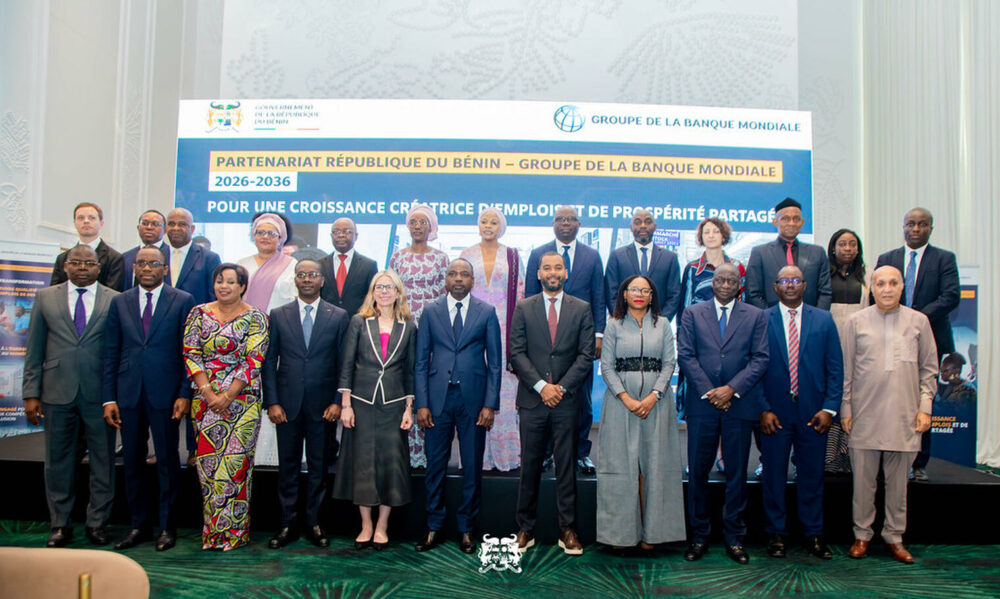
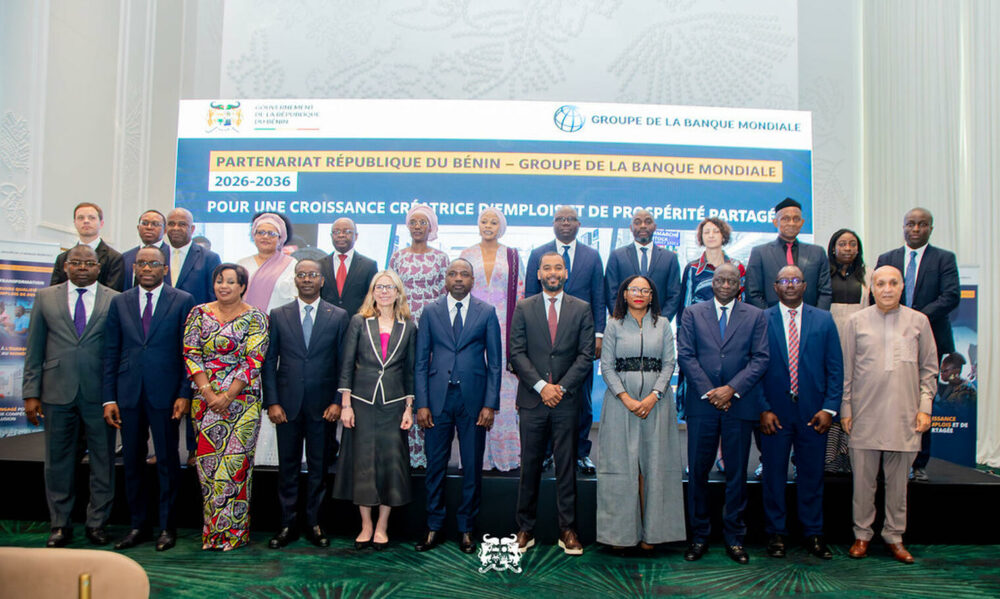
A groundbreaking partnership between Bénin and the World Bank Group officially kicked off in Cotonou on Friday, July 17, marking the beginning of a ten-year Country Partnership Framework (CPF) spanning 2026 to 2036. This initiative aims to drive inclusive and sustainable economic growth across the West African nation.
The launch ceremony drew key figures, including Bénin’s government officials, diplomatic representatives, and development partners, all gathered to witness the historic agreement.
The CPF 2026-2036 is structured around three core pillars: human capital development through improved nutrition, healthcare, and skills training; expansion of critical infrastructure; and private-sector-led economic transformation, as outlined in an official statement released the following day. The framework also incorporates the National Prevention and Resilience Program, designed to bolster national stability and social cohesion.
Anna Bjerde, Managing Director of Operations at the World Bank Group, praised President Romuald Wadagni and the Bénin government for their bold vision. She highlighted that the CPF launch aligns with a pivotal moment in the country’s trajectory, characterized by political momentum and the strategic roadmap Alafia Bénin 2060.
Bjerde emphasized that the partnership will translate these ambitions into tangible outcomes for Bénin’s youth and entrepreneurs, asserting that investments in human capital and productive infrastructure are vital for sustainable, job-creating growth. She reaffirmed the World Bank Group’s commitment to supporting Bénin’s efforts to enhance economic competitiveness and improve living standards.
Aristide Medenou, Bénin’s Minister of Economy, Finance, and Cooperation, noted that the new CPF aligns seamlessly with national priorities, particularly in agriculture, private-sector growth, and youth employment. The government views the framework as a catalyst for accelerating socio-economic transformation, strengthening resilience, and unlocking opportunities for future generations.