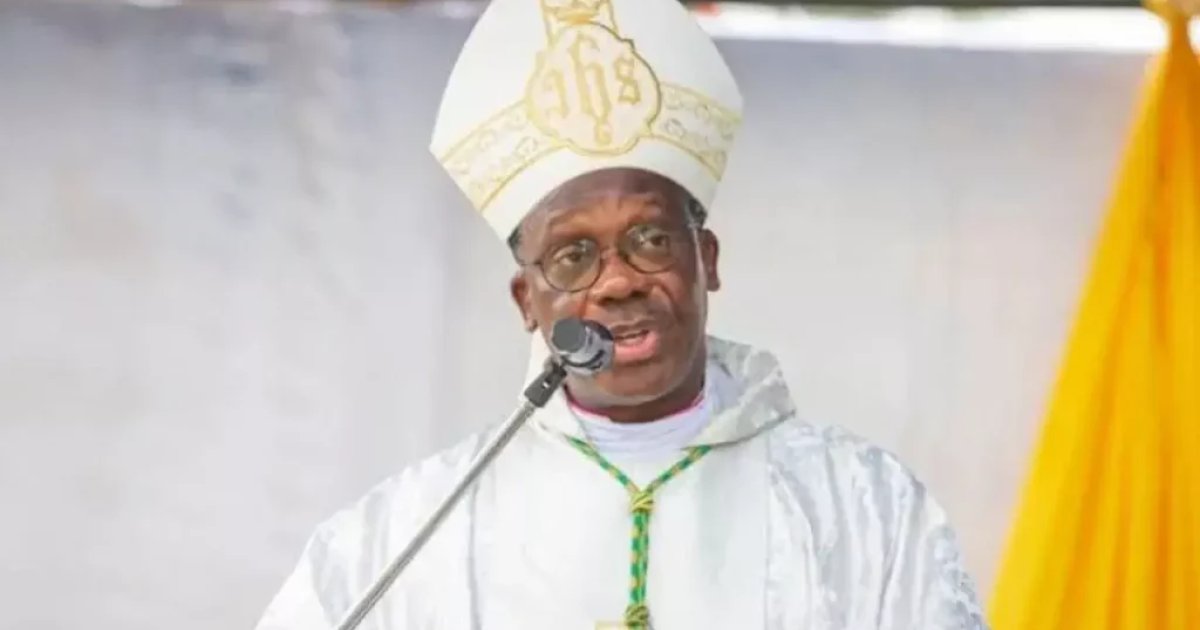
Bénin conference: Church leader urges human-focused reforms for lasting progress
In a landmark gathering in Cotonou, religious leaders, policymakers, and civic figures converged at the Institute of Justice and Peace Artisans (IAJP) conference, exploring how rule of law and political transitions can fuel stability and sustainable growth across Africa.
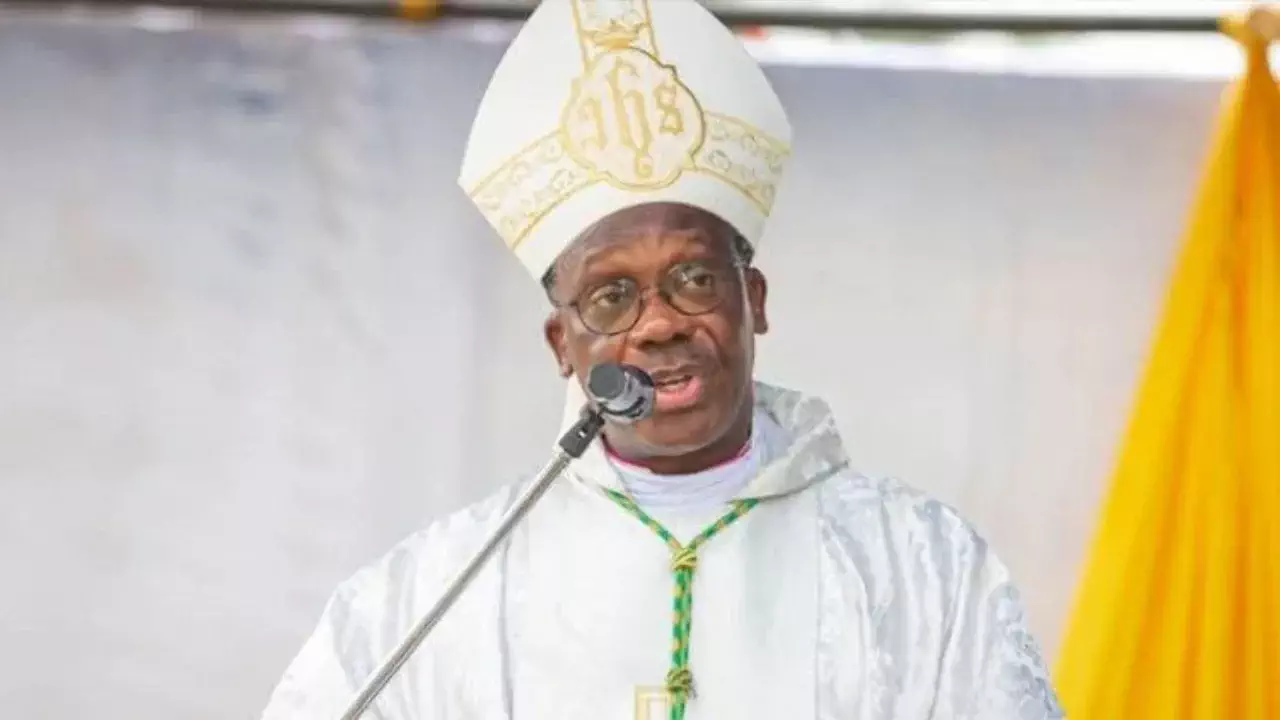
The July 23, 2026 event brought together voices from across sectors to examine the intersection of governance, freedom, and economic vitality. At the helm was Mgr Roger Houngbédji, Archbishop of Cotonou and President of the Bénin Episcopal Conference, whose address set the tone for a forward-looking dialogue on nation-building.
Strengthening institutions, securing freedoms: The Bénin model
Opening with a bold assertion, Mgr Houngbédji linked Africa’s long-term prosperity to two pillars: robust institutions and equitable resource management. He called for African nations to prioritize independent judiciaries, transparent governance, and strict adherence to the rule of law—not as abstract ideals, but as practical tools for inclusive progress.
Citing Bénin as a case study, he highlighted tangible gains: the launch of the Commercial Court, modernization of business law, and the establishment of the Court for Economic and Terrorism Offenses (Criet). These steps have bolstered investor confidence and improved the country’s standing in global benchmarks. Yet he cautioned that economic metrics alone cannot guarantee a thriving democracy. Persistent concerns around press freedom, judicial independence, and inclusive political participation remain critical hurdles.
Human dignity: The heart of every policy
The Archbishop grounded his vision in Catholic Social Teaching, emphasizing integral human development as the foundation of public policy. True progress, he argued, goes beyond GDP growth to address real human needs: access to quality education, healthcare, fair wages, and social justice. Only by placing people first can nations achieve meaningful, equitable development.
The Church as a bridge in times of division
Reflecting on recent political tensions, Mgr Houngbédji underscored the Church’s enduring role as a mediator. From guiding the nation through the 2019 post-election crisis to fostering dialogue ahead of the 2026 general elections, the Church does not seek power, but works to heal divisions and safeguard national cohesion. Its mission remains one of reconciliation—not to replace institutions, but to strengthen them.
In closing, the Archbishop urged leaders across Africa to harmonize economic ambition with justice, pluralism, and human rights. Sustainable development isn’t just about growth—it’s about building societies where every person thrives.