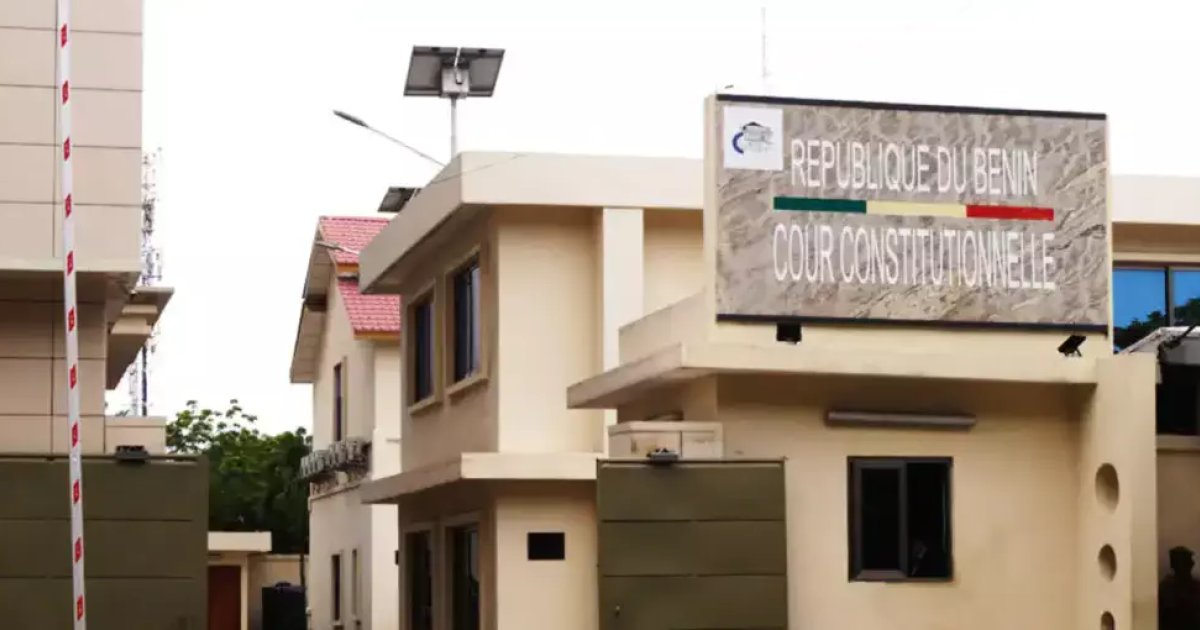
Benin’s constitutional court analyzes insights from april presidential election
The Constitutional Court of Benin wrapped up a five-day seminar on Friday, July 17, in Agoué, evaluating the presidential election held on April 12, 2026.

The High Court convened judges, legal experts, and election officials to assess the entire electoral process. The review focused on identifying strengths, challenges, and areas for improvement ahead of future voting cycles.
Key takeaways from the constitutional court’s assessment
Vice-President of the Court Nicolas Assogba chaired the closing ceremony in place of President Dorothé Sossa, who was unable to attend. During his address, Assogba praised the quality of the discussions and confirmed that the seminar’s objectives had been fully met.
He emphasized the importance of evaluating practices to enhance institutional performance, quoting management expert Peter Drucker: “If you can’t measure it, you can’t improve it.”
The seminar produced several proposals aimed at strengthening electoral procedures and reinforcing the Court’s legal precedents. Assogba also announced the formation of a dedicated committee to analyze the findings in greater detail.
Next steps for electoral reform
Once endorsed by the Court’s General Assembly, these recommendations will be compiled into a new election procedures manual. This reference document will guide officials during upcoming elections, ensuring greater transparency and legal certainty.
In his closing remarks, Assogba called on the Court’s members to continue innovating and refining their methods. He stressed the need to build public trust in the electoral process through credible, well-documented decisions.
The initiative reflects the Constitutional Court’s commitment to refining its operations and preparing for future elections with a focus on fairness, security, and public confidence.