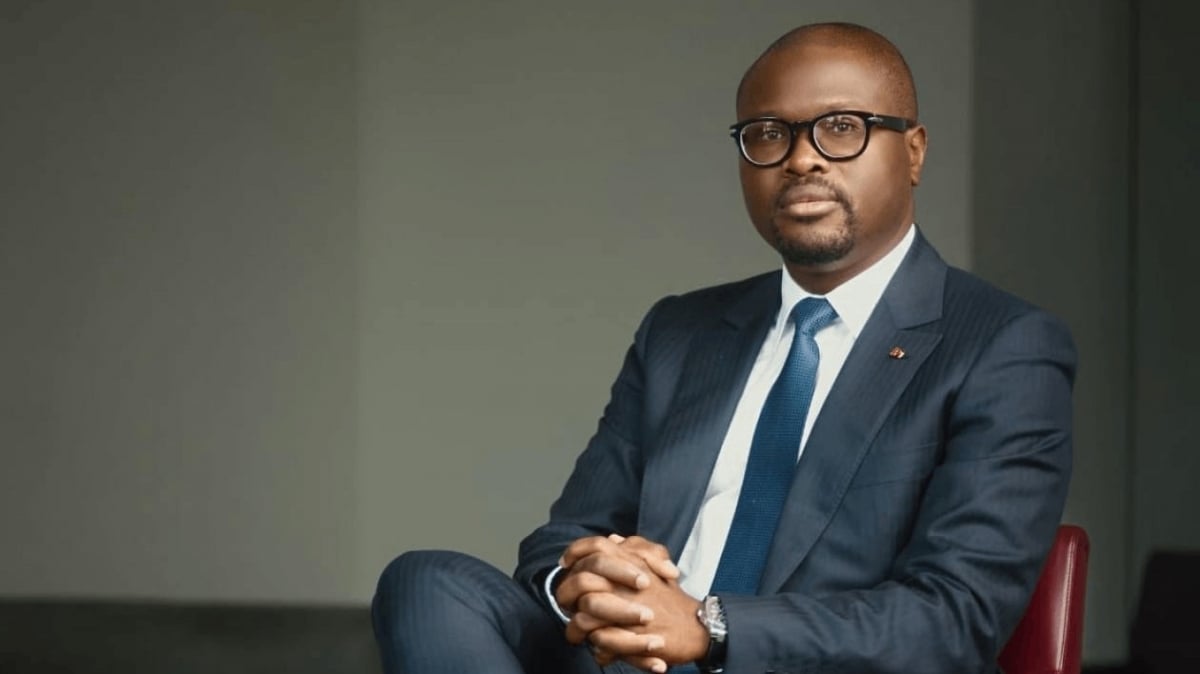
Bénin’s new president Romuald Wadagni vows to strengthen national unity

Romuald Wadagni, a 49-year-old economist and former finance minister, has been sworn in as the new President of Bénin following a landslide victory in the presidential election held on April 12. He secured an overwhelming 94% of the vote, leaving his sole opponent, politician Paul Hounkpe, far behind. The opposition party later formed a coalition with the ruling party in Parliament, signaling a shift toward broader political unity.
The inauguration ceremony, held in the capital, drew over 6,000 attendees, including high-ranking state officials, members of the constitutional body, foreign diplomats, and former presidents Nicéphore Soglo and Thomas Boni Yayi. Notably, the presence of Niger’s Prime Minister Ali Mahaman Lamine Zeine was seen as a gesture of reconciliation after recent diplomatic tensions between the two nations.
Constitutional reforms and national priorities
Under the amended 2025 Constitution, the presidential term has been extended from five to seven years, though the two-term limit remains unchanged. Wadagni, now the fifth president since Bénin transitioned to democratic governance in 1990, took the oath of office before the Chief Justice of the Constitutional Court, Dorothe Sossa.
In his inaugural address, President Wadagni pledged to uphold the Constitution, safeguard peace, foster national cohesion, and serve the people of Bénin with integrity. He emphasized a firm stance against threats to security and unity, declaring, « Bénin will not yield to fear or complacency. The government will act decisively against all forces that endanger our nation’s stability. »
Among his immediate priorities, the new administration aims to enhance regional relations, particularly with neighboring military-led governments in Niger and Burkina Faso, to address shared security challenges.
Economic background and political trajectory
President Wadagni assumes leadership amid a backdrop of steady economic growth in Bénin, though persistent social inequalities and security threats in the northern regions remain pressing concerns. Before entering politics, he worked at Deloitte, one of the world’s leading audit firms, where he gained extensive experience in financial management.
His political career took off in 2016 when he was appointed Minister of Economy and Finance under former President Patrice Talon. Reappointed in 2021, he later served as Prime Minister, playing a pivotal role in shaping the country’s economic policies. During his nearly decade-long tenure in financial leadership, Wadagni spearheaded reforms that reduced the budget deficit to approximately 3% of GDP, according to official records.