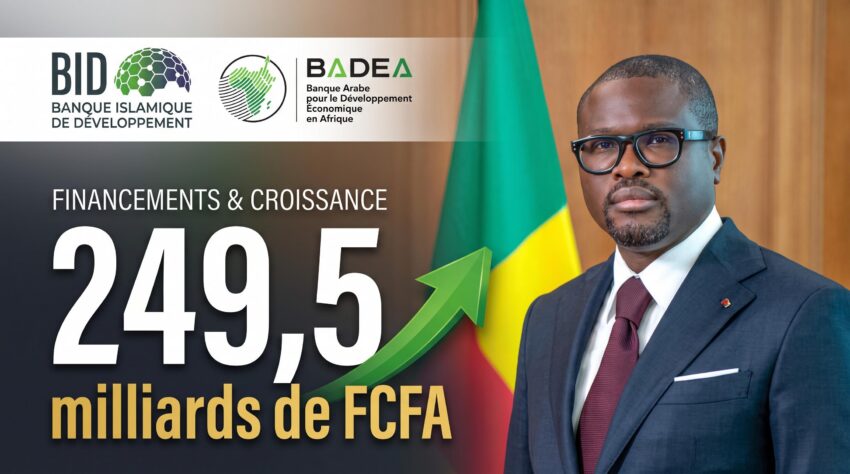
The latest financial breakthrough by the Republic of Benin is turning heads in global economic circles, with a record $444 million infusion poised to reshape the nation’s infrastructure landscape while reinforcing its standing in international finance. How will these funds translate into tangible benefits for citizens and businesses across the country?
The Strategic Imperative Behind Benin’s Financial Accomplishment
During the recent International Monetary Fund and World Bank Annual Meetings, Benin sealed three landmark financing agreements totaling $444 million. Partnering with the Islamic Development Bank and the Arab Bank for Economic Development in Africa, the agreements underscore the West African nation’s growing reputation as a credible borrower with a clear vision for sustainable growth.
The timing of these deals couldn’t be more strategic. With global financing costs skyrocketing and debt sustainability concerns looming over many emerging economies, Benin’s ability to secure favorable terms reflects its improved financial standing. Rather than viewing debt as a burden, the government is positioning it as a catalyst for transformation—provided these resources are deployed wisely.
From Bilateral Agreements to Broad-Based Economic Growth
The partnerships forged with regional financial institutions are more than just financial transactions; they represent a deliberate diversification of Benin’s funding sources. By engaging multiple partners, the country reduces its reliance on any single lender and gains access to varied financial instruments suited to different project timelines and scales. This approach not only strengthens Benin’s negotiating position but also enhances its resilience against external shocks.
The credibility behind these agreements stems from Benin’s consistent policy execution, ongoing economic reforms, and transparent fiscal management. Recent assessments highlight steady progress in consolidating public finances, improving revenue mobilization, and implementing proactive debt strategies. Such attributes have not gone unnoticed by international investors and multilateral lenders.
Key Pillars of Benin’s Rising Financial Reputation
- Consistency in policy implementation and debt management
- Progressive reduction in the budget deficit — from 7.2% of GDP in 2021 to 3.1% in 2024
- Rigorous public finance reforms and transparency initiatives
- Alignment of new debt with productive investment objectives
The Dual Role of Debt: Investment vs. Risk
Debt, when used strategically, can fuel long-term development. Benin’s latest funding is expected to accelerate infrastructure upgrades across transportation, energy, and public services. Such improvements could reduce business operational costs, enhance regional connectivity, and expand access to essential services—all of which support private sector growth and job creation.
However, the true test lies in execution. Transparent contracting, timely project delivery, and measurable outcomes are essential to ensure that borrowed funds generate value exceeding their cost. Without these safeguards, even the most promising financial arrangement risks becoming unsustainable.
Fiscal Discipline Meets Community Impact
The $444 million infusion comes at a pivotal moment. Following a period of fiscal consolidation—marked by declining public debt and improved budgetary balance—the government is now leveraging external capital to expand inclusive development. This phase represents a shift from mere cost containment to value creation through strategic investment.
Yet, the story doesn’t end with funding announcements. The real impact will be measured in communities: repaired roads connecting rural farmers to markets, reliable electricity powering small businesses, and modern public facilities improving daily life. Benin’s challenge is to ensure these projects are demand-driven, efficiently implemented, and periodically audited to maintain public trust.
Public Participation and Transparency in Project Oversight
To uphold accountability, the government must commit to regular disclosure of project statuses, independent impact evaluations, and citizen engagement in project selection. These mechanisms not only validate the use of borrowed funds but also strengthen democratic governance and social ownership of development initiatives.
Building a Legacy of Financial Credibility
Benin’s latest financing agreements signal more than an economic transaction—they represent a long-term investment in national resilience. By balancing ambitious development goals with fiscal prudence, the country is crafting a model of sustainable growth that could inspire other emerging economies.
The path forward demands continued vigilance: maintaining tight fiscal controls, ensuring debt remains serviceable, and above all, delivering real benefits to the people. In the end, Benin’s greatest achievement won’t be measured in dollars secured, but in lives improved, businesses thriving, and a nation on a sustainable upward trajectory.