Real-world consequences of Côte d’Ivoire’s electoral reforms: what citizens and businesses stand to gain or lose
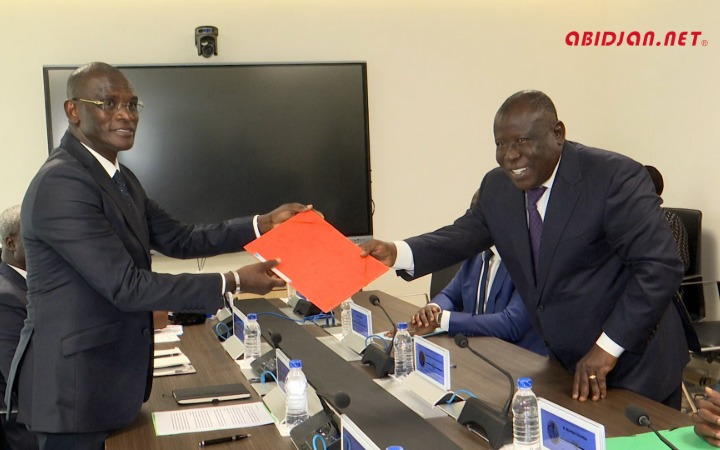
In a move that could reshape Côte d’Ivoire’s political and economic landscape, the Rally of Houphouëtists for Democracy and Peace (RHDP) has formally submitted a comprehensive proposal to the Interior Ministry for the establishment of a new electoral body. While proponents argue the reforms aim to bolster transparency and restore public confidence in elections, critics warn the changes may have unintended consequences for businesses and daily life across the nation. The debate has intensified as Ivorian households and entrepreneurs assess how these reforms could impact everything from election credibility to investment flows.
Why Côte d’Ivoire is banking on electoral reform to restore stability
After decades of political turbulence and recurring disputes over electoral credibility, Côte d’Ivoire is placing its hopes on a newly proposed electoral authority to anchor long-term stability. The RHDP’s proposal outlines sweeping changes to the composition and operations of the electoral commission, including stricter vetting of commissioners, enhanced financial transparency, and the introduction of independent audit mechanisms. Yet, behind these institutional upgrades lies a pressing question: how quickly will these changes translate into tangible improvements for ordinary Ivoirians and the business community?
At the heart of the reform is the government’s stated commitment to addressing longstanding grievances over election fairness. Officials have pledged that the new body will operate with greater autonomy and accountability, free from executive interference. However, skeptics caution that structural reforms alone may not be sufficient to bridge the trust gap. Many citizens remain deeply skeptical, especially in regions where past elections were marred by allegations of fraud and irregularities.
Local business owners weigh in: electoral reform as a double-edged sword
For Côte d’Ivoire’s business sector, the new electoral proposals present a paradox. On one hand, a transparent and credible electoral process is widely seen as essential for attracting foreign investment and maintaining economic stability. A stable political environment means stronger investor confidence, more predictable regulations, and lower risk premiums for businesses operating in the country. In sectors such as cocoa, energy, and telecommunications, where foreign direct investment is crucial, even subtle improvements in governance can have outsized economic benefits.
On the other hand, some entrepreneurs and industry leaders voice concerns that the transition period could introduce volatility. Uncertainty during reforms can lead to short-term market jitters, particularly among smaller businesses that rely on political continuity to plan operations. Concerns have also been raised about potential delays in administrative processes as the new electoral body gets established, which could impact everything from business licensing to contract enforcement. One Abidjan-based trader noted, “While we all want fair elections, we can’t afford disruptions in our supply chains or investment timelines.”
Everyday Ivoirians speak out: will the reforms change anything?
A walk through Abidjan’s bustling markets or quiet villages in the north reveals a population divided over the electoral reform. Some citizens see it as a long-overdue step toward democracy, citing the need to prevent post-election violence and ensure every vote counts. Others question whether the reforms will truly address deep-seated issues like voter registration errors, delays in result publication, and allegations of vote-buying in previous contests.
Youth leaders, in particular, are vocal about the stakes. “Young people in Côte d’Ivoire deserve better than elections that feel predetermined,” said a student leader from Yamoussoukro. “We need a system where our future isn’t decided behind closed doors.” Meanwhile, in rural areas, farmers and small business owners express cautious optimism, hoping the reforms will lead to better representation and equitable access to public services.
What’s next: timelines, challenges, and the path ahead
With the RHDP’s proposal now in the hands of the Interior Ministry, the next phase involves legislative debate, public consultations, and stakeholder engagement. Government sources indicate the new electoral body could be operational within 12 to 18 months, pending parliamentary approval. However, even if the reforms pass smoothly, their success will hinge on implementation—especially in ensuring fair commissioner appointments, transparent audits, and robust civic education for voters.
Key milestones to watch include:
- Draft legislation: The Interior Ministry is expected to submit a bill outlining the new body’s mandate, powers, and funding sources.
- Public hearings: Civil society groups and opposition parties will likely scrutinize the proposal, demanding safeguards against politicization.
- Training and resource allocation: The new commission will require significant training for staff and investment in technology to modernize voter rolls and counting systems.
- Monitoring mechanisms: Independent observers and media outlets will play a critical role in holding the new body accountable.
As Côte d’Ivoire stands at this pivotal juncture, the ripple effects of these reforms could extend far beyond the voting booth. For a nation striving to balance democratic aspirations with economic growth, the stakes could not be higher—either the reforms will restore trust and unlock future prosperity, or they will deepen divisions and undermine progress.