How Benin’s rapid growth is reshaping lives and livelihoods
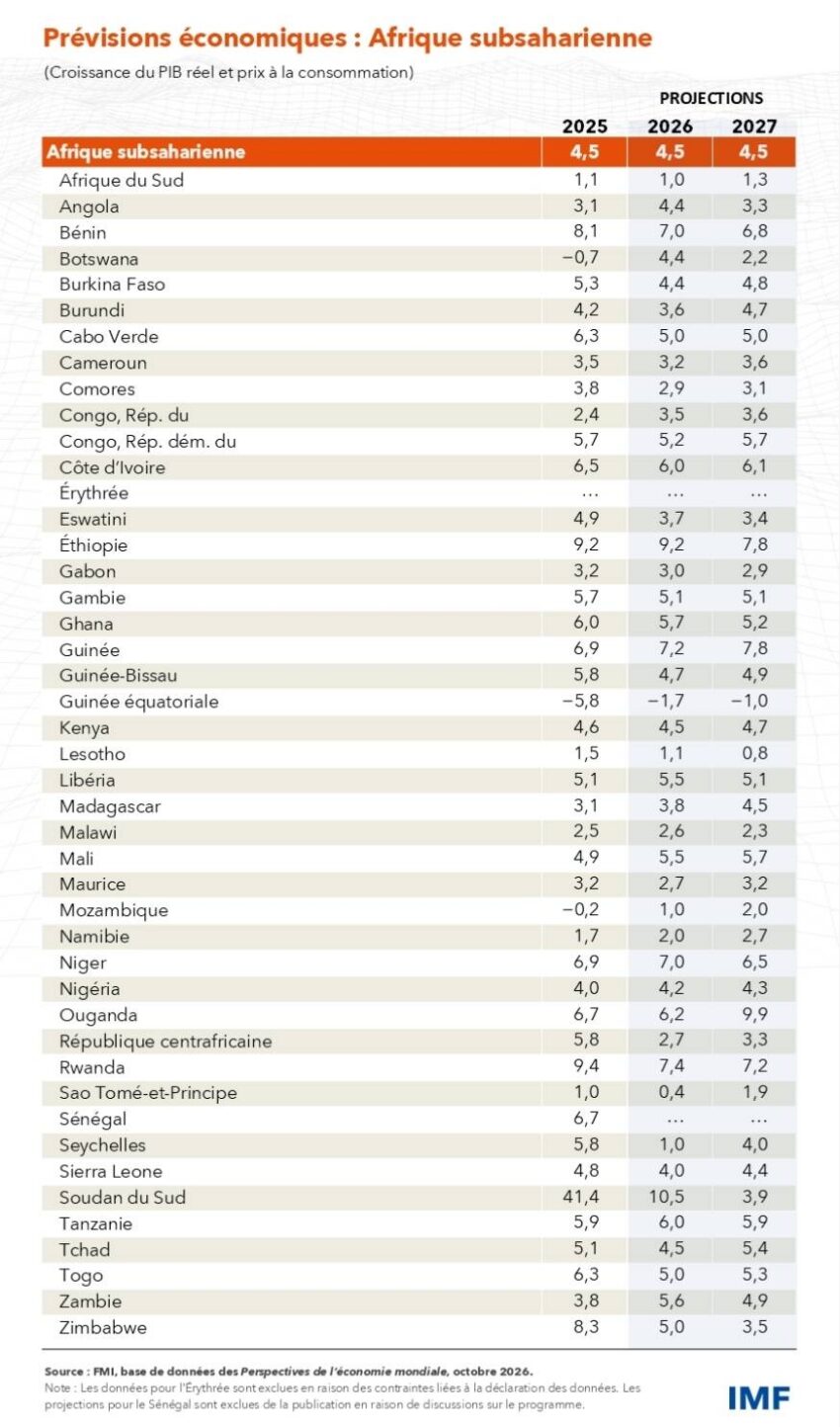
With projected economic growth of 7% in 2026 and 6.8% in 2027, Benin is not just growing it is transforming communities, businesses, and daily life. While much attention is paid to macroeconomic statistics, the true measure of success lies in how these numbers translate into tangible benefits for ordinary citizens and local enterprises.
In a sub-Saharan Africa where the average growth is stagnating around 4.5%, Benin’s trajectory stands out as a case study in strategic economic planning. But growth alone is not enough. The central question now is whether this surge will lift households out of poverty, create stable jobs, and foster a sustainable local business ecosystem.
This report examines the direct consequences of Benin’s economic performance on its people and enterprises, highlighting both the opportunities and the challenges that lie ahead.
Beyond the numbers: what high growth means for beninese families
The promise of economic growth often feels distant to those struggling with rising living costs or seasonal unemployment. Yet, in Benin, the data suggests that the benefits could be materializing faster than expected.
Between 2025 and 2027, real GDP growth is expected to average over 7% annually well above the regional average. For families across Cotonou, Porto-Novo, Parakou, and rural communities, this translates into potential improvements in access to healthcare, education, and affordable goods.
Local traders report increased foot traffic and higher sales volumes in markets like Dantokpa, where consumer spending is gradually picking up. Farmers, too, are benefiting from government initiatives to modernize agricultural production, which has led to better yields and fairer prices at farm gates.
However, not all citizens are experiencing this prosperity equally. Youth unemployment remains stubbornly high, and informal sector workers often struggle to access the benefits of formal economic expansion. The challenge now is to ensure that growth trickles down to the most vulnerable and creates inclusive economic participation.
The business landscape: small enterprises and foreign investors respond
Benin’s economic momentum has captured the attention of both local entrepreneurs and international investors. From tech startups in Abomey-Calavi to agribusinesses in northern regions, small and medium enterprises (SMEs) are expanding operations, hiring new staff, and diversifying into new markets.
A growing number of foreign firms are also setting up regional hubs in Benin, drawn by the country’s strategic location, improving infrastructure, and business-friendly reforms. The Port of Cotonou, in particular, has seen increased container traffic, reflecting stronger trade flows and higher consumer demand.
Despite these positive signals, challenges persist. Power supply instability, bureaucratic hurdles, and access to financing still constrain the growth of smaller businesses. Many entrepreneurs report that while opportunities are emerging, structural barriers continue to slow progress.
The government’s push for economic diversification beyond traditional sectors like agriculture and cotton has led to incentives for tech, renewable energy, and light manufacturing. These initiatives are beginning to yield results, but sustained impact will depend on continued policy consistency and private sector buy-in.
The sustainability question: can growth translate into long-term stability?
Economic growth, especially when rapid, can create short-term gains that mask deeper structural issues. In Benin’s case, the risk is that growth could be driven too heavily by public spending or external aid, rather than by durable productivity gains.
Economists warn that without deeper reforms such as improving vocational training, reducing trade barriers, and strengthening the rule of law Benin may struggle to maintain its growth rate once favorable external conditions shift. Inflation control, exchange rate stability, and fiscal prudence will also be critical in ensuring that macroeconomic gains do not come at the expense of monetary stability.
The country’s ability to weather future shocks whether global commodity price swings or regional political instability will depend on how well it builds resilience into its economic system. This includes investing in technology, expanding access to finance, and fostering entrepreneurship beyond urban centers.
For Benin, the path forward offers both promise and peril. The next two years will be decisive in determining whether this growth translates into a lasting transformation or remains an outlier in the region’s economic landscape.
Looking ahead: priorities for inclusive and sustainable development
Benin’s economic surge has already positioned it as a regional leader. The challenge is to ensure this leadership yields inclusive and sustainable benefits for all.
The government has signaled its commitment to several key areas:
Job creation for youth: Expanding vocational training programs and supporting youth-led startups to absorb the growing labor force.
Infrastructure upgrades: Modernizing transport networks, energy supply, and digital infrastructure to support business growth.
Private sector empowerment: Streamlining business regulations and improving access to credit for SMEs.
Social protection expansion: Enhancing safety nets to protect vulnerable households from economic shocks.
Climate resilience: Integrating sustainable practices into agriculture and urban planning to mitigate climate risks.
As Benin moves forward, the world will be watching not only to see if it sustains its growth rate, but whether it succeeds in making that growth meaningful for its citizens and businesses. The next chapter of Benin’s economic story may well define the future of West Africa’s development trajectory.
By Cécile Mboua — Journalist