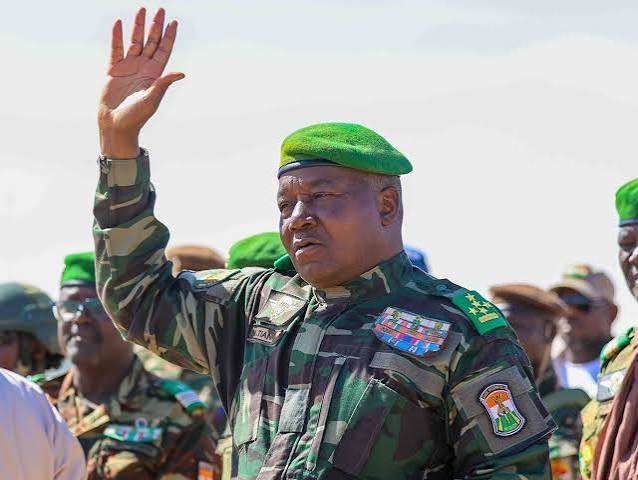
The abrupt decision to halt fuel price hikes in Niger has exposed the junta’s desperation rather than securing public support. Far from a populist triumph, the reversal of July 2023’s price adjustments signals the first major setback for General Abdourahamane Tiani’s military leadership, revealing cracks within the ruling Council for the Safeguarding of the Homeland (CNSP).
How the junta’s economic gamble backfired on Nigerien taxpayers
The government’s last-minute retreat from fuel price adjustments delivered a stinging blow to its own institutions. While the Ministry of Oil and the Consultative Council for National Rebuilding advocated for a “prudent” increase to shore up collapsing state finances, the CNSP’s sudden U-turn sidelined its own technocrats, underscoring a leadership paralyzed by uncertainty. This internal discord reflects a regime increasingly governed by short-term survival instincts rather than coherent policy.
Behind the scenes: Political infighting and survival tactics in Niamey
August 2023’s public backlash against the junta looms large over current events. The threat of mass unrest during that period forced General Tiani into an unprecedented tactical retreat. Since then, the facade of unshakable authority has crumbled, replaced by a leadership scrambling to avoid the next tipping point. Each concession—including the fuel price freeze—highlights a military council that now prioritizes quiet damage control over long-term stability.
Black markets and broken promises: Why consumers will pay the price
The economic consequences of this decision are already unfolding. Despite official price caps on Super and diesel, acute fuel shortages persist across several regions, driving up costs on the black market. Meanwhile, promises of a transparent oil sector audit remain unfulfilled, replaced by opaque reassignments within the Ministry of Oil and the Nigerien Oil Corporation (SONIDEP). These moves suggest a leadership more concerned with consolidating power through patronage than addressing systemic decay.
A widening fiscal hole that no freeze can plug
With agro-pastoral deficits looming, soaring energy subsidy costs, and intensifying security threats, the junta’s refusal to implement structural reforms has cornered the economy. The fuel price freeze is a temporary fix that only postpones the inevitable: a deeper crisis that will batter both households and businesses. For ordinary Nigeriens, the freeze offers no relief—just the grim reality of living under a regime that pivots between mismanagement and repression as its grip weakens.
The ripple effect: Inflation, instability, and the junta’s shrinking options
Stalled fuel prices may have spared the government immediate protests, but they’ve done little to stabilize the economy. As inflation erodes purchasing power and regional jihadist groups exploit the power vacuum, the CNSP now faces a triple bind: economic collapse, eroding public trust, and the growing likelihood of foreign sanctions. The fuel price freeze, far from a triumph, has become a liability—one that could accelerate the unraveling of Niger’s already fragile trajectory toward recovery.