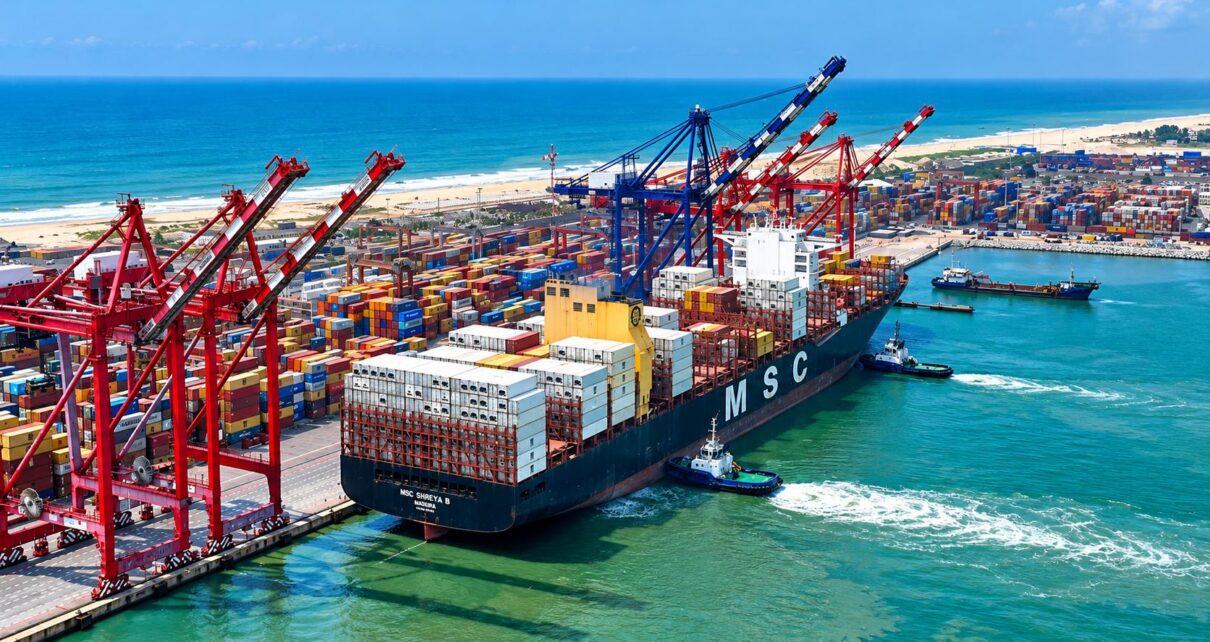
In the heart of the Gulf of Guinea, Benin is fast becoming the backbone of regional commerce—solidifying its position as a logistics powerhouse between Cotonou’s bustling port and landlocked Niger. With a €30 million investment backed by the European Union and Belgium’s Enabel, the country is modernizing roadways, streamlining customs, and securing critical trade routes that directly impact livelihoods, businesses, and economic stability across West Africa.
From trade bottleneck to economic lifeline: Benin’s strategic corridor shift
The 729-kilometre Cotonou-Niamey corridor, once plagued by delays, inefficiency, and security concerns, is being transformed into a high-performance trade artery. This 4-year transformation—driven by the Cotoni project—is not just about infrastructure; it’s about reshaping regional supply chains that support everything from farmers in Tillabéri to textile traders in Zinder. By integrating this corridor into broader west African networks, including the upcoming Abidjan-Lagos highway, Benin is positioning itself as the seamless link between coastal ports and landlocked nations.
The €30 million transformation: four pillars driving real change
The Cotoni project—backed by the European Union and Enabel—is built on four core pillars designed to deliver long-term impact:
- Robust governance: Establishing sustainable financing mechanisms and dedicated maintenance teams to protect the investment from neglect or mismanagement.
- Enhanced security: Eliminating bottlenecks and high-risk zones to safeguard freight and reduce transport costs for small businesses.
- Seamless integration: Creating interoperable logistics networks that connect Benin’s port ecosystems to Niger’s agricultural and industrial zones.
- Smarter border management: Streamlining customs clearance at the Parakou frontier using digital tools and improved workflows to cut delays at the border.
Why Nigeria matters: the corridor’s role in a wider regional puzzle
While Niger remains the primary beneficiary, the Cotonou-Niamey corridor is part of a larger infrastructure vision that reaches into Nigeria—the region’s largest economy. By improving transit times and reducing clearance delays, the project helps traders in Lagos, Kano, and beyond access cheaper, faster imports from Europe via Cotonou. This shift is crucial for businesses struggling with high logistics costs and unreliable supply chains in a post-pandemic environment.
Beyond roads: how customs and integration are changing the game
Modernizing a corridor isn’t just about paving roads—it’s about rewiring the entire trade ecosystem. The Cotoni project includes a major overhaul of customs procedures, replacing outdated paperwork with digital clearance systems and introducing joint border operations. These changes are expected to reduce border crossing times by up to 40%, unlocking faster deliveries and lower storage fees for SMEs across the subregion.
Tracking the pulse of change: what’s already happening on the ground
Local transporters and market vendors are already reporting tangible benefits. Passenger buses now run more frequent routes from Cotonou to Niamey, cutting journey times by 25%. Small traders transporting onions, fabrics, and electronics between the two countries are facing fewer checkpoints and bribes. Meanwhile, the expanding truck fleet—modernized under the program—is reducing long-haul transport costs, giving Benin-based logistics firms a competitive edge.
Looking ahead: a logistics hub built on partnerships and ambition
Benin’s push to redefine its role isn’t happening in isolation. It aligns with regional initiatives like the Abidjan-Lagos corridor and the Economic Community of West African States (ECOWAS) trade facilitation agenda. As trade flows shift eastward from Dakar and west from Lagos, Benin is carving out a central position—one that promises stability, efficiency, and new opportunities for citizens and businesses alike.
Where to see progress firsthand: Transport Logistique Cotonou 2024
For those wanting to witness the transformation up close, the Transport Logistique Cotonou (TLC) expo—held annually at the Palais des Congrès—remains the best showcase. From November 12 to 14, the event brings together over 2,000 logistics professionals, port operators, and policymakers to discuss the future of freight in West Africa. Attendees can tour the port’s operations, meet innovators in digital customs, and hear directly from officials about the next phase of corridor expansion and automation.