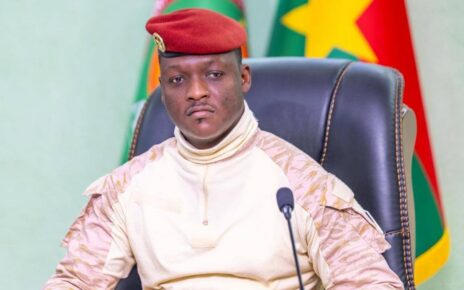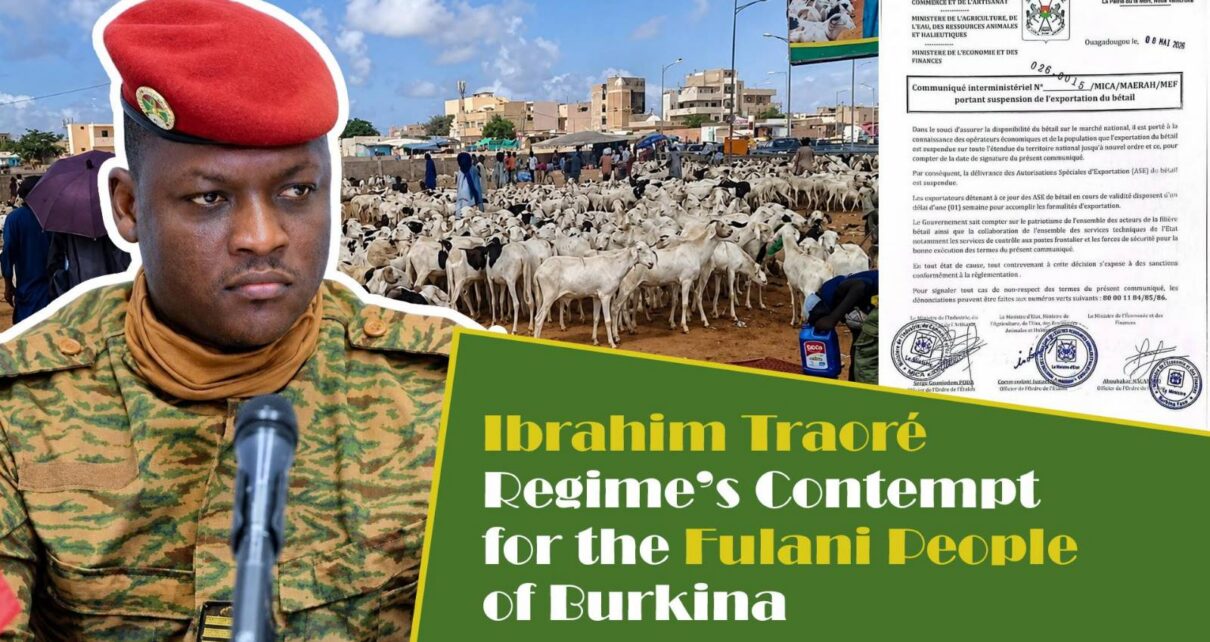
The already fragile social and security landscape in Burkina Faso has reached a breaking point. As the nation battles armed insurgencies, a widening rift has emerged between the transitional government led by Captain Ibrahim Traoré and the Peul ethnic community. Accusations of systematic military abuses and economic strangulation are fueling perceptions of targeted persecution.
Mounting allegations of systematic abuses
The military-led administration, which seized power in a coup in September 2022, heavily relies on the Volontaires pour la Défense de la Patrie (VDP), civilian auxiliaries ostensibly deployed to support national forces. Yet, numerous testimonies from human rights advocates and local residents describe disturbing patterns of misconduct.
In northern Burkina Faso, predominantly Peul areas have reportedly become flashpoints for lethal interventions. Accounts of villages razed to the ground and civilians deliberately targeted by militias operating under Traoré’s authority are becoming increasingly frequent. Community leaders argue that these incidents are no longer collateral damage but evidence of a deliberate campaign against a specific ethnic group, often unfairly linked to insurgent factions.
Economic suffocation: a decree that deepens hardship
The crisis extends beyond physical threats, now threatening the very survival of Peul pastoralist families. A newly enforced decree has imposed severe restrictions—or outright bans in some cases—on cattle exports to Côte d’Ivoire, a move that has ignited widespread outrage.
The cattle trade represents the backbone of Peul economic autonomy in Burkina Faso. By severing access to the primary market in the subregion, the decree strikes at the heart of these communities’ financial stability. The fallout is immediate and severe:
- Rapid impoverishment of pastoralist families, pushing many to the brink of survival.
- Disruption of essential services, as households struggle to afford healthcare and education.
- Regional trade disruptions, undermining long-standing commercial networks across the ECOWAS zone.
A strategy of exclusion?
Observers and civil society members warn that the policies pursued by Ibrahim Traoré’s administration transcend the declared fight against terrorism. The combination of physical violence and economic blockades is widely interpreted as an attempt to weaken—or even permanently marginalize—the Peul population within Burkina Faso.
The absence of independent investigations into reported massacres, coupled with the government’s aggressive rhetoric, only reinforces fears of an identity-driven agenda. Once celebrated for its ethnic harmony, Burkina Faso now faces an existential challenge: safeguarding national unity amid rising divisions.
“Terrorism cannot be defeated by perpetuating new injustices. Targeting an entire community alienates a segment of the nation and sows the seeds of future cycles of vengeance.” — Insight from a Sahel security analyst.
As the distress calls of Burkina Faso’s Peul communities resonate regionally, the international community and regional blocs face mounting pressure to intervene and avert a crisis whose repercussions could destabilize the entire Sahel.