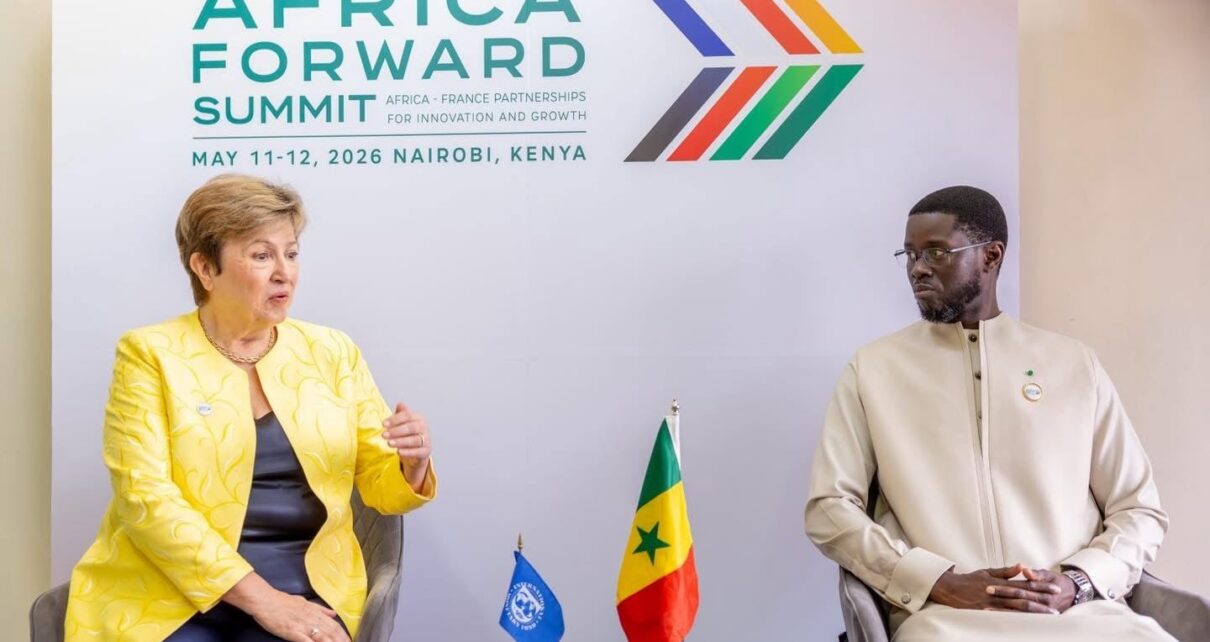
The Managing Director of the International Monetary Fund, Kristalina Georgieva, recently engaged in a pivotal discussion with Senegalese President Bassirou Diomaye Faye. The meeting centered on critical economic reforms and debt management strategies, highlighting the nation’s ongoing efforts to secure a stable financial future.
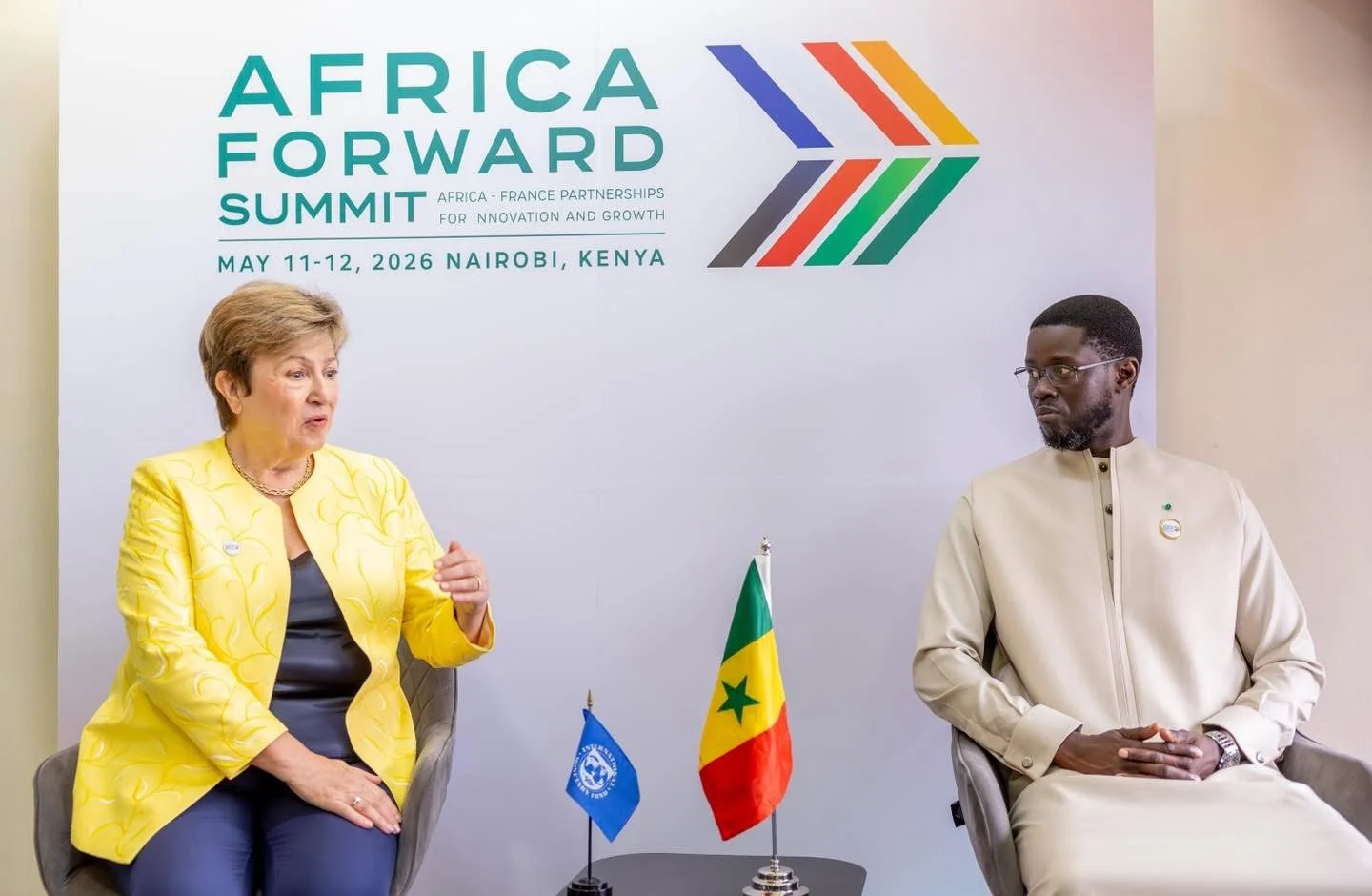
Key takeaways from the high-level meeting
During the talks, Kristalina Georgieva emphasized the importance of economic transparency and debt sustainability for Senegal. The discussions also explored the nation’s reform priorities, which are essential for unlocking financial support and fostering long-term growth. While the meeting laid the groundwork for future cooperation, no immediate breakthroughs were announced regarding the delayed financial program.
Challenges in securing a new financial program
The IMF has reiterated its commitment to supporting Senegal, but the path to a new financial arrangement remains complex. As highlighted by IMF officials, the current volatility in global financial markets has made it difficult to assess the viability of Senegal’s debt. This uncertainty requires meticulous analysis to ensure any agreement avoids imposing excessive austerity measures on the population.
The IMF has urged the Senegalese government to develop a credible and sustainable economic strategy. This approach aims to balance fiscal responsibility with social equity, ensuring that reforms do not disproportionately burden citizens. The institution has taken a patient stance, allowing Dakar the time needed to refine its proposals.
Senegal’s economic landscape and debt challenges
Senegal’s new leadership inherits a significant debt burden, which underscores the urgency of implementing sound economic policies. The government’s ability to navigate these challenges will be pivotal in determining the country’s financial stability and growth trajectory. The IMF’s involvement signals a collaborative effort to address these issues while maintaining a focus on transparency and reform.