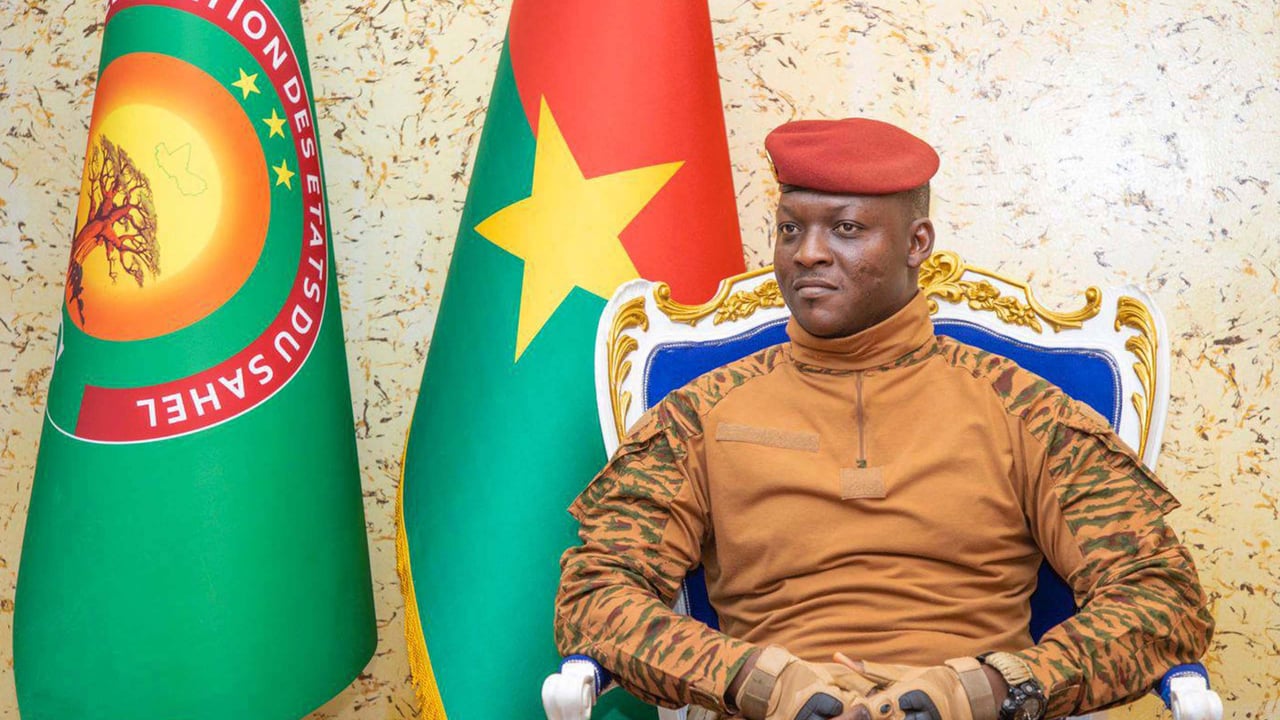

Allegations surface of Burkina Faso’s transitional leader directing online harassment campaign
The head of Burkina Faso’s military-led government stands accused of orchestrating a digital militia aimed at silencing critical voices, particularly journalists. Reports highlight a coordinated network accused of spreading disinformation and targeting media professionals through coordinated online attacks.
New accusations against Captain Ibrahim Traoré
International press freedom advocates have raised concerns over what they describe as a systematic effort to suppress dissent in Burkina Faso. The allegations center on the alleged use of a digital militia—a coordinated group of online actors—to harass and intimidate reporters who challenge the official narrative.
According to monitoring groups, this network operates through social media platforms, amplifying false narratives while suppressing alternative viewpoints. The campaign appears designed to erode public trust in independent journalism and discourage critical reporting on government actions.
Impact on press freedom in the Sahel
The accusations come at a time when Burkina Faso faces escalating security challenges and political transitions. Media watchdogs warn that such tactics not only threaten individual journalists but also undermine the broader principle of press freedom across the region.
The alleged digital militia is said to employ tactics including:
- coordinated disinformation campaigns to discredit journalists;
- targeted harassment through fake accounts and bots;
- intimidation tactics to silence critical reporting.
These methods reflect a growing trend in which governments and non-state actors use digital tools to control public discourse and suppress dissent.
Official response remains unclear
As of now, there has been no public statement from Captain Ibrahim Traoré or his administration addressing the allegations. Observers note that transparency is crucial in addressing such claims and restoring confidence in Burkina Faso’s commitment to democratic values.
The situation raises important questions about the role of digital platforms in regulating harmful content and protecting press freedom in conflict zones.
The alleged use of a digital militia not only threatens the safety of journalists but also poses broader risks to civil society and democratic governance in Burkina Faso.