Why a Russian warship docking in Namibia matters more than training exercises
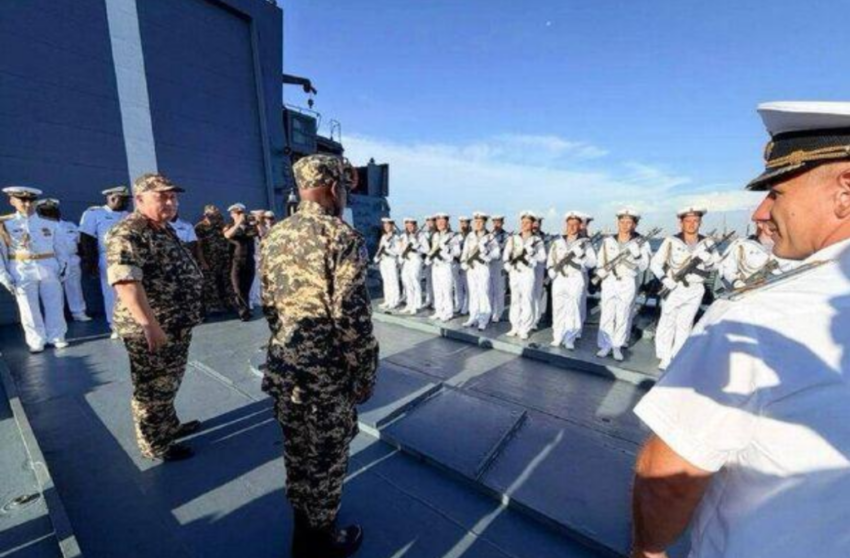
On the morning of October 20, 2026, the Russian naval training ship Perekop arrived at the port of Walvis Bay, sending ripples across southern Africa. While Moscow framed the visit as a routine educational voyage, the geopolitical timing and strategic implications paint a far more consequential picture. For Namibia, a key maritime hub in the Atlantic, this stopover is not just about training cadets—it’s about reshaping regional alliances, economic opportunities, and long-term security dynamics.
The dual narrative behind the Perekop’s arrival
The Russian Ministry of Defense insists the Perekop, deployed on a 1,800-nautical-mile training route across Eurasia and Africa, is fulfilling its core mission: preparing the next generation of naval officers. Cadets onboard practiced navigation, route planning, and long-distance sailing under realistic conditions. Such missions are standard for training vessels, and the Namibian government acknowledged the educational purpose.
Yet behind the stated goals lies a second storyline—one of maritime diplomacy. The visit included high-level meetings between Russian naval officers, Namibian military officials, and embassy representatives. While no formal agreements were announced, these interactions underscore Moscow’s broader ambition to expand its naval footprint in Africa. For a nation with limited permanent naval bases on the continent, Walvis Bay’s logistical advantages make it a valuable stopover point.
Walvis Bay’s strategic value: logistics, economics, and long-term planning
The port of Walvis Bay isn’t just a convenient docking location—it’s a critical node in southern Africa’s maritime economy. Positioned on the Atlantic coast, it handles a significant portion of the region’s trade, from minerals to fisheries. For foreign navies, a port visit isn’t just a diplomatic gesture; it’s an opportunity to assess infrastructure, refuel, and maintain vessels during extended deployments.
Analysts note that Russia has been methodically expanding its naval engagements across Africa, using port visits as a stepping stone toward deeper cooperation. While no permanent base has been established, repeated stops—like the one by the Perekop—could lay the groundwork for future access agreements. Such arrangements would allow Russia to project power beyond its traditional spheres and offer Namibian authorities a means to diversify partnerships.
Economic ripple effects of the Perekop’s visit
The arrival of a military vessel of this size inevitably boosts local economic activity. Port fees, provisioning, and hospitality services all stand to benefit. But beyond short-term gains, the visit raises questions about Namibia’s strategic positioning. Could Walvis Bay evolve into a regional hub for Russian naval activity, similar to how other African ports have become focal points for foreign military presence? For now, the answer remains uncertain—but the potential is undeniable.
The bigger picture: Russia’s African naval strategy in action
Moscow’s Africa strategy has evolved beyond arms sales and military training. Naval engagements—including port visits, joint exercises, and port access agreements—serve a dual purpose. First, they strengthen defense ties with African partners, often in exchange for political support in international forums. Second, they counterbalance Western influence, particularly in regions where Russia seeks to assert itself as an alternative power center.
The Perekop’s visit aligns with this broader approach. By demonstrating reach and reliability, Russia signals its commitment to maritime cooperation with African nations. For Namibia, the calculus is complex: closer ties with Moscow could yield military equipment, training programs, or economic investments. Yet it also risks alienating traditional Western partners who have historically played a dominant role in the region’s security architecture.
Military presence vs. public diplomacy
Critics argue that Russia’s naval diplomacy is a thinly veiled attempt to expand influence. While the Perekop’s mission is officially educational, its timing and context suggest a calculated move. In a region where global powers compete for influence—from China’s infrastructure investments to U.S. security cooperation—any foreign naval presence carries geopolitical weight.
For now, Namibia has framed the visit as a routine port call. Authorities emphasize that no agreements extending Russia’s military presence were signed. Yet the mere act of hosting a foreign warship—especially one affiliated with a global power like Russia—sends a message to neighbors and rivals alike. It demonstrates Namibia’s agency in shaping its foreign partnerships, for better or worse.
What’s next? Tracking Russia’s growing naval footprint in Africa
The real test of the Perekop’s impact will come in the months ahead. Will Russian naval vessels return to Walvis Bay on a regular basis? Will Namibia and Russia formalize any form of defense cooperation? And how will other regional players, including South Africa and the U.S., respond to this expanding presence?
One thing is clear: the arrival of the Perekop is more than a training exercise. It’s a geopolitical signal—one that underscores Russia’s determination to remain a naval actor in Africa. For Namibia, the visit is a reminder of the delicate balance between leveraging new partnerships and managing the expectations of traditional allies. As the global race for African influence intensifies, Walvis Bay is emerging as an unlikely but critical battleground.
Key takeaways: separating signal from noise
- Walvis Bay’s role: The port’s strategic location and infrastructure make it a prime candidate for further Russian naval activity.
- Diplomacy in action: The visit highlights Russia’s use of naval diplomacy to build influence without committing to permanent bases.
- Namibia’s balancing act: Hosting the Perekop allows Namibia to diversify partners but tests its relationships with Western allies.
- Geopolitical signals: The stopover is part of Russia’s broader effort to counter Western dominance in African security matters.
Unanswered questions and the road ahead
While the immediate impact of the Perekop’s visit is limited, its long-term implications could be significant. Observers will watch for signs of deeper cooperation, such as joint exercises, training programs, or infrastructure investments. Until then, the visit remains a symbolic gesture—one that nonetheless reshapes the maritime landscape of southern Africa.