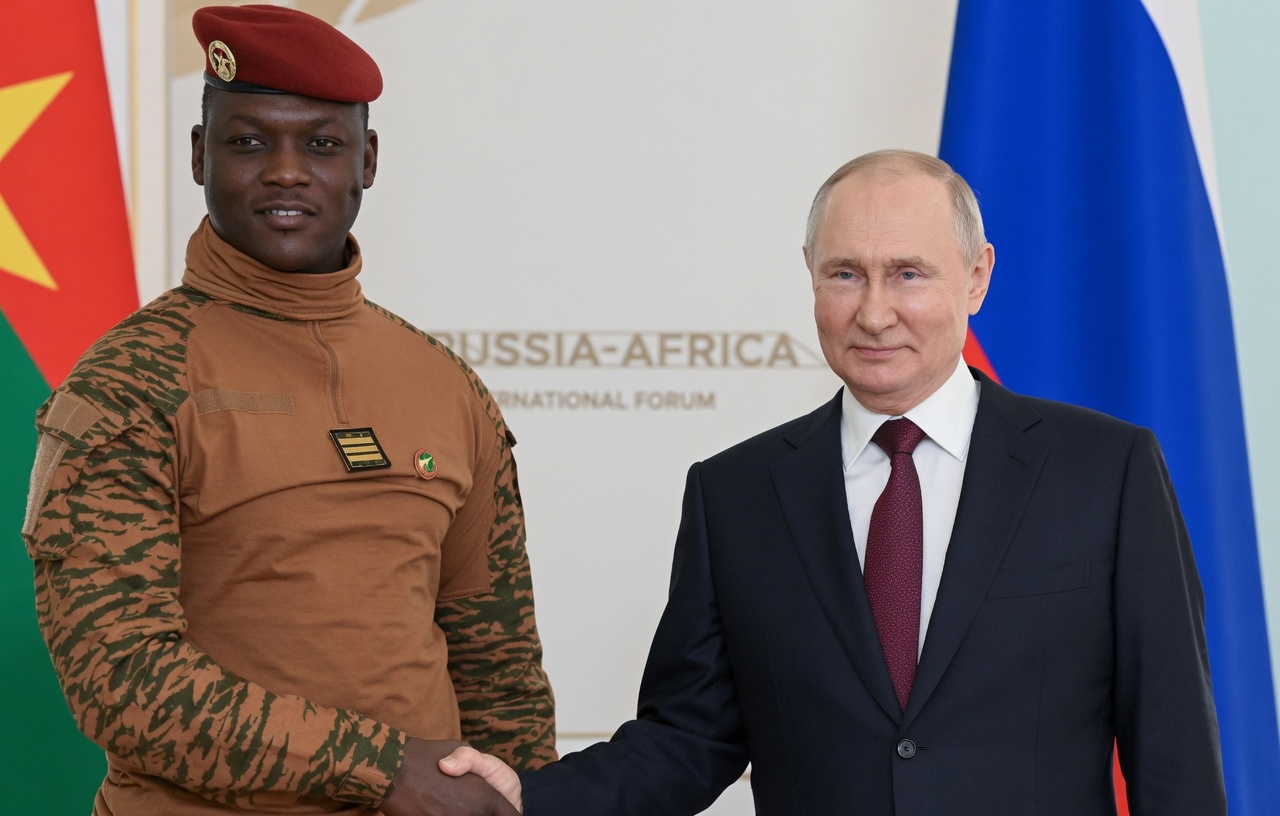
Ouagadougou has positioned Moscow as a pivotal ally since deepening ties with Russia, framing the relationship as a strategic partnership rooted in mutual respect and unconditional cooperation. Official statements highlight a “win-win” dynamic, emphasizing regained sovereignty and enhanced security capabilities. Yet beneath the rhetoric, critical questions arise about the true cost and sustainability of this evolving alliance.
Sovereignty in question: trading one dependence for another?
Burkina Faso’s leadership argues that diversifying partnerships—particularly after strained relations with Western nations—has restored its diplomatic autonomy. However, true sovereignty extends beyond merely shifting alliances; it demands the capacity to make independent decisions without becoming overly reliant on a single external actor. When strategic sectors such as security or natural resources become dominated by one partner, the risk of new dependencies emerges, potentially undermining long-term autonomy.
Security cooperation: promises unmet amid persistent threats
The military collaboration with Russia has intensified, yet the country continues to grapple with escalating violence. Deadly attacks, civilian casualties, and widespread displacement persist across multiple regions, casting doubt on the effectiveness of this partnership in stabilizing the nation. While cooperation may provide temporary support, the absence of a marked improvement in security conditions raises concerns about its long-term viability.
Economic ties: potential vs. reality
Moscow’s pledged investments and trade opportunities have been met with cautious optimism, but tangible economic benefits remain scarce. Burkina Faso’s financial indicators continue to strain under the weight of insecurity, disrupted supply chains, and declining local industries. Promises of cooperation must be weighed against measurable outcomes—particularly for the most vulnerable populations.
A controversial exchange: gold for wheat
The reported proposal to leverage gold reserves in exchange for Russian wheat has sparked debate over the true meaning of sovereignty. If a nation’s most valuable resource is traded to secure basic food supplies, does this reflect resilience or a failure of domestic agricultural and economic policies? Such a scenario underscores the fragility of self-sufficiency and the pressing need for structural solutions to food security.
Education and human capital: limited yet promising
Scholarships for Burkinabè students in Russian universities present a rare bright spot, offering access to technical training and expertise. However, the impact remains constrained by the small number of beneficiaries, doing little to address systemic challenges in education and youth employment.
No strings attached? The geopolitical reality
While Burkina Faso celebrates a partnership free of political conditions, geopolitics rarely operates on altruism alone. Russia’s engagement in Africa aligns with its broader strategic interests, including countering Western influence and expanding economic footholds amid global isolation. Viewing this relationship as purely selfless overlooks the underlying calculations of power and profit.
The risks of over-reliance
Concentrating partnerships with a single power carries inherent risks. A narrow diplomatic focus may limit Burkina Faso’s ability to engage with diverse international actors, deter varied investment flows, and complicate relations with other global players. A truly multipolar approach demands balance—not a mere substitution of one bloc for another.
Measuring success: beyond rhetoric
The ultimate test of any international partnership lies in its impact on citizens’ daily lives. Have security conditions improved? Are public services more accessible? Has economic growth translated into tangible benefits for communities? On these fronts, the results remain inconsistent with the lofty promises made. Until concrete, sustainable progress is achieved, claims of a “win-win” partnership risk appearing premature.
The Burkina Faso-Russia alliance holds potential, but its true value will be determined not by diplomatic declarations, but by the tangible improvements it delivers to the people it claims to serve.